Lawn Care in Hot Weather (UK Lawn Guide)

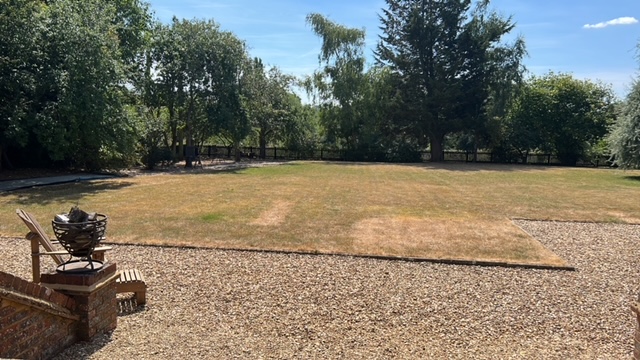
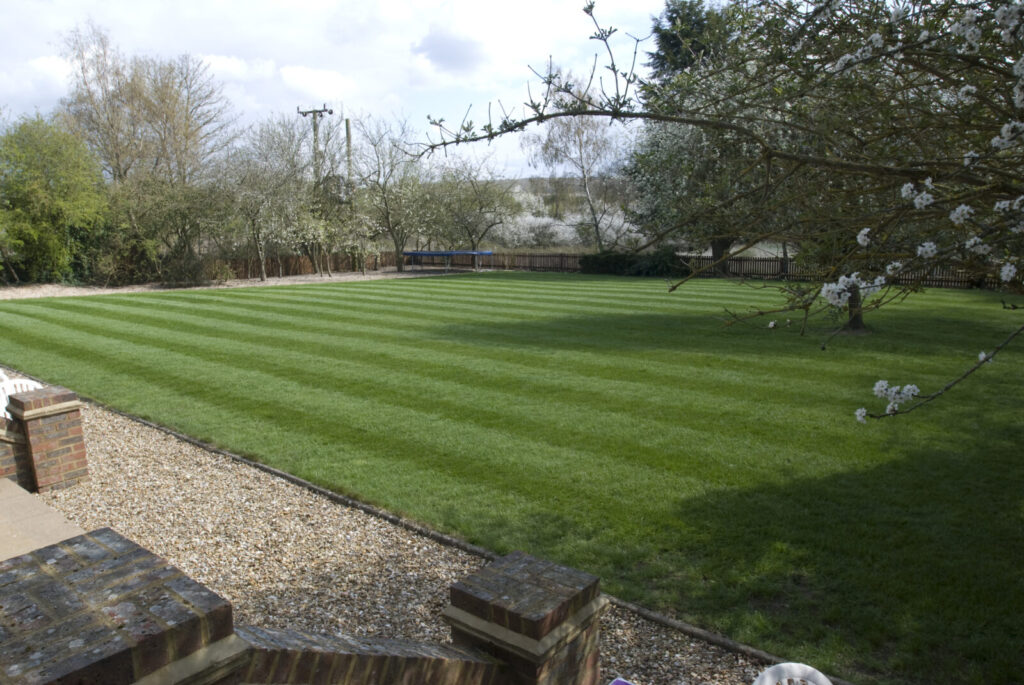
Hot weather places significant stress on UK lawns. While extended heatwaves are still relatively new compared to southern Europe, UK turfgrasses are increasingly exposed to higher temperatures, stronger sunlight, and longer dry periods.
During hot weather, lawns don’t just need more water — they need water to behave differently in the soil. Without correct soil moisture distribution, even well-watered lawns can suffer from heat stress, colour loss, dry patch and thinning.
This guide explains how heat affects your lawn, why traditional watering often fails, and how wetting agents form the foundation of effective lawn care in hot weather.
UK lawns are predominantly made up of cool-season grasses, which prefer temperatures between 10–20°C. Once air and soil temperatures rise above this range, grass plants begin to experience stress.
Key physiological changes include:
If moisture supply cannot keep up with demand, turf enters a survival mode, leading to visible decline. Make sure you also read our handy guide on How To Keep Your Lawn Green in Summer (UK Lawn Guide).
Common indicators include:
These symptoms are often misdiagnosed as disease or nutrient deficiency, but are more commonly linked to poor soil moisture availability.
Many homeowners increase watering during heatwaves, yet still see deterioration. This is because hot, dry conditions often lead to hydrophobic soil.
When soil becomes water-repellent:
As a result, increasing irrigation without addressing soil water behaviour can actually worsen stress and waste water.
Hydrophobic soil develops when organic compounds coat soil particles, preventing water adhesion. This is most common during prolonged dry spells and high temperatures.
In hot weather, hydrophobic soils cause:
This explains why lawns can appear stressed even after rain or irrigation.
Wetting agents are surfactants that modify how water interacts with soil. In hot weather, they:
By improving soil moisture uniformity, wetting agents allow grass plants to regulate temperature more effectively and maintain metabolic function under heat stress.
This is why wetting agents are standard practice in professional turf management during summer months.
The most effective time to apply a wetting agent is before severe heat arrives.
Ideal timing:
This ensures water behaves correctly when heat stress peaks.
Shallow, frequent watering increases evaporation and weakens roots.
Best practice:
Wetting agents ensure this water reaches deeper into the soil profile.
Cutting too short exposes soil to direct sunlight, increasing surface temperature and moisture loss.
Recommended summer height:
Longer grass shades the soil and protects crowns from heat damage.
Foot traffic during hot weather increases stress by:
Limit use during peak temperatures where possible.
In hot weather, lawns require support — not forced growth.
Use fertilisers that:
Avoid high-salt feeds during heatwaves.
Heat stress often overlaps with:
All of these issues are addressed at soil level by wetting agents.
Unchecked heat stress can result in:
Preventative treatment with wetting agents significantly reduces these risks.
Professional turf managers use a proactive approach:
This same science applies to domestic lawns — when adapted correctly.
Yes — provided the grass crown remains alive and soil moisture distribution is restored.
Applying wetting agents during or immediately after hot weather helps lawns:
Delayed intervention increases the likelihood of permanent damage.
Hot weather doesn’t just dry lawns out — it exposes weaknesses in soil moisture management. When soil becomes water-repellent, grass roots cannot access the water they need to regulate temperature and survive stress.
Wetting agents solve this problem by restoring proper water movement in the soil, reducing heat stress and protecting turf health during the most challenging conditions of the year.
For UK homeowners serious about protecting their lawns in hot weather, wetting agents are a foundational, professional-grade solution.
In hot weather, lawns should be watered deeply rather than frequently. Applying 20–25mm once or twice per week encourages deeper roots, especially when used alongside a wetting agent.
This is usually due to hydrophobic soil, where water cannot penetrate evenly. Wetting agents correct this by improving water absorption and distribution in the soil.
Yes. Lawn wetting agents are safe when applied correctly and are widely used on professional sports turf, golf courses and domestic lawns.
Mowing should be reduced during extreme heat. Raising the cutting height to 35–50mm helps shade the soil and reduce moisture loss.
Yes. By improving soil water retention and distribution, wetting agents reduce runoff and evaporation, making irrigation more efficient.
Your Service Guarantee
Our aim at Lawnscience is to be your first choice, local lawn care provider. That is why we select friendly professionals, train them well, and provide a service guarantee.
We also offer our 100% Satisfaction Guarantee with our treatments, If you are not completely satisfied with the results of a treatment, we will re-treat your lawn free of charge. We believe that we are the only UK lawn care provider to offer such a comprehensive guarantee.

Lawnscience supports the RHS through annual charitable donations