How to Treat Dry Patches on Lawn (UK Lawn Guide)

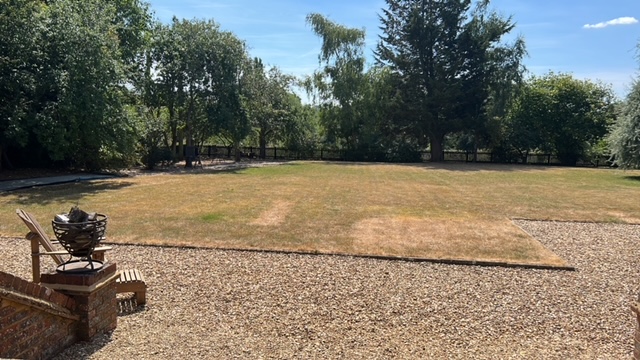
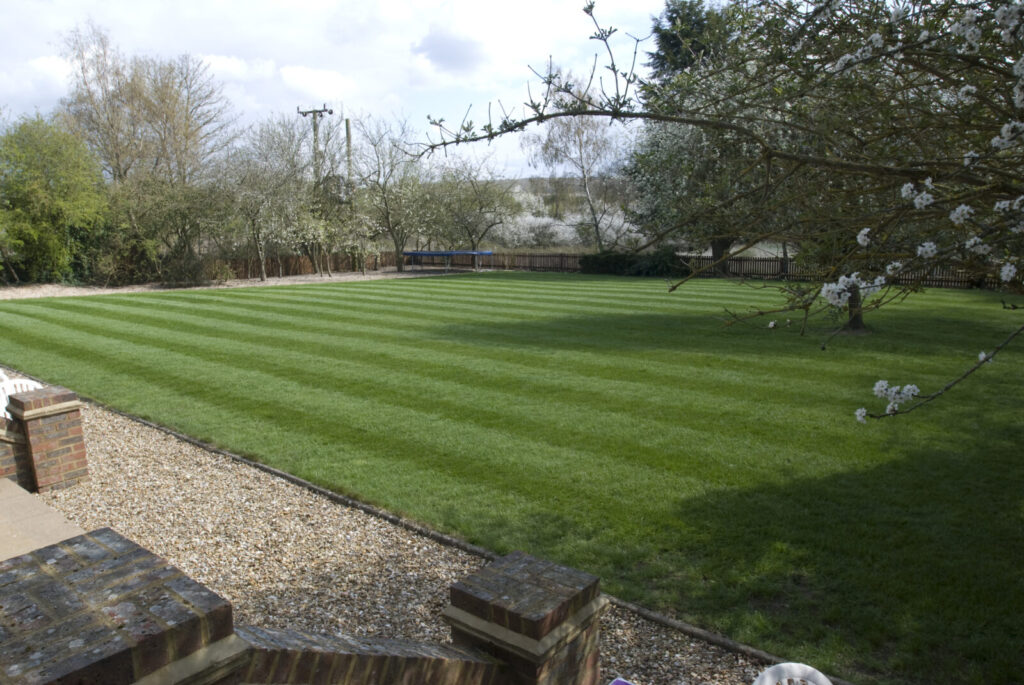
Dry patches are one of the most stubborn and frustrating lawn problems UK homeowners face. These areas remain brown, brittle and lifeless even after rainfall or watering, often spreading each summer if left untreated.
Dry patch is not simply “dry grass” — it is a soil condition. Until the soil itself is treated, the grass above it cannot recover.
This guide explains what dry patch really is, why it develops, and how wetting agents for drought protection are the professional, long-term solution.
Dry patch occurs when areas of soil become hydrophobic, meaning they repel water rather than absorb it. As a result:
Dry patch often appears as:
Dry patch is most common during:
Key contributing factors include:
Once established, dry patch does not correct itself, even after rain returns.
A common mistake is increasing watering frequency. Unfortunately:
❌ Water cannot penetrate hydrophobic soil
❌ Irrigation runs off to unaffected areas
❌ Roots remain dehydrated
❌ Patch edges worsen
This is why dry patch often becomes more defined over time.
To treat dry patch effectively, soil surface tension must be corrected.
Wetting agents are soil surfactants designed to:
Once applied, wetting agents:
This is why wetting agents are the standard treatment on golf greens, fairways and sports turf.
This is essential. Without it, recovery is unlikely.
Apply:
Severely affected lawns may need repeat applications.
After wetting agent application:
Longer grass:
Recommended height: 35–50mm in summer
Compacted soils worsen dry patch.
Once moisture is restored:
Dry patch is closely linked with:
The best way to deal with all of these problems is with a wetting agent. Make sure to read our detailed guide on what they are and how they work:
➡ What Is a Wetting Agent & How It Protects Your Lawn
Dry patch is not a surface issue — it is a soil condition. Until water repellency is corrected, grass cannot recover.
Lawn wetting agents address the root cause by restoring normal water movement through the soil, making them the most reliable and cost-effective treatment available.What causes dry patches on lawns?
Dry patches are caused by hydrophobic soil, where soil particles repel water instead of absorbing it. This prevents moisture from reaching grass roots even after watering or rainfall.
No. Dry patch is a soil condition and will not correct itself naturally. Without treatment, affected areas often expand and worsen each summer.
Wetting agents are the most effective treatment, but they need to be applied preventatively or maintained seasonally. They correct water repellency and stop dry patch recurring.
Once treated with a wetting agent and watered correctly, early-stage dry patch can show improvement within 2–4 weeks. Severe cases may take longer or need repeat treatments.
No. Reseeding without fixing the soil first will fail. The soil must be treated with a wetting agent before overseeding or turfing.
Your Service Guarantee
Our aim at Lawnscience is to be your first choice, local lawn care provider. That is why we select friendly professionals, train them well, and provide a service guarantee.
We also offer our 100% Satisfaction Guarantee with our treatments, If you are not completely satisfied with the results of a treatment, we will re-treat your lawn free of charge. We believe that we are the only UK lawn care provider to offer such a comprehensive guarantee.

Lawnscience supports the RHS through annual charitable donations