5 Common Causes of Blocked Gutters

Blocked gutters are one of the most common problems homeowners face.

With leafy streets, mature trees, and moss-prone tiled roofs, it doesn’t take long for gutters to become clogged. Once blocked, gutters can’t do their job properly, and that can lead to overflowing rainwater, dampness, and costly repairs.

Here are the five most common reasons why gutters get blocked.
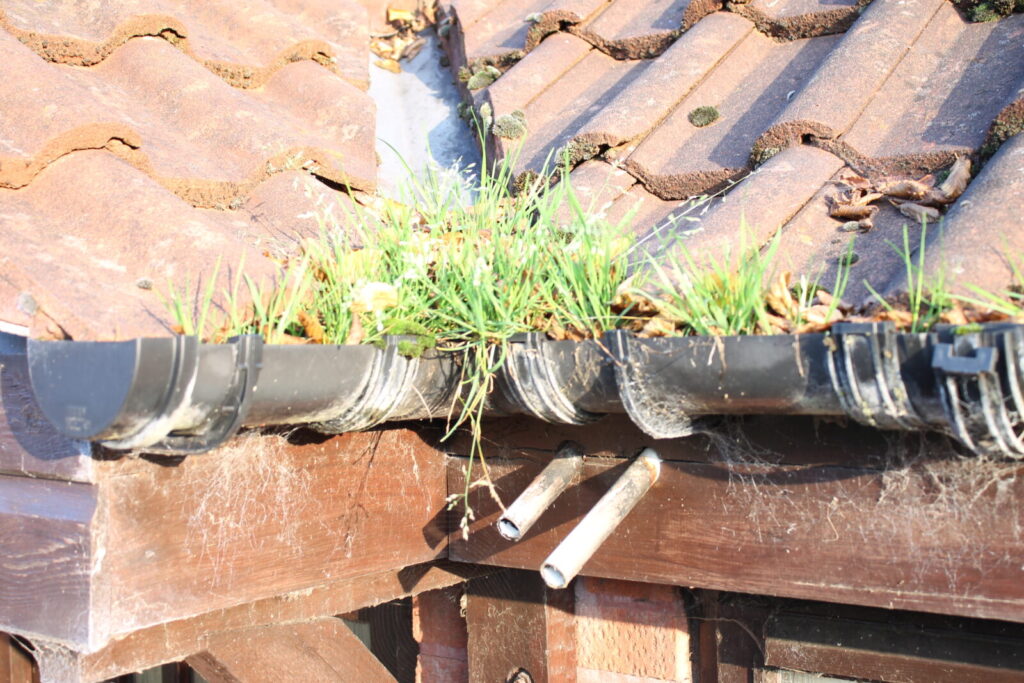

1. Falling Leaves in Autumn

Tree-lined streets and green spaces can be a cause of blocked gutters. While beautiful, those same trees shed leaves in the autumn, which often end up in gutters. Once wet, leaves form a dense mat that blocks water flow and traps more debris behind it. This is why autumn is the busiest season for gutter cleaning in the area.


2. Moss from Roof Tiles

Many homes have tiled roofs that naturally grow moss. During heavy rain, lumps of moss break free and wash straight into the gutters. Over time, moss builds up into thick blockages that prevent water from draining properly. Moss is particularly common on north-facing roofs and shaded properties.


3. Twigs and Small Branches

Strong winds, especially in winter, can blow twigs and small branches onto rooftops. These often end up caught in gutters, where they act as a framework that traps leaves, moss, and dirt. This combination quickly leads to stubborn blockages that only proper cleaning will clear.


4. Bird Nests and Wildlife

It’s not unusual for birds to nest in gutters, particularly in quiet or rarely maintained areas. Sparrows, pigeons, and even insects find gutters an attractive place to build. Nests block water flow completely, and the additional weight can put strain on your guttering.


5. Dirt and Roof Runoff

Over time, dust, soil, and roof grit get washed into gutters during rainfall. These materials settle and harden, especially if mixed with moss or leaves, creating a thick sludge. Left untreated, this sludge builds up until it blocks the gutter entirely.


How to Prevent Blocked Gutters

The best way to avoid problems is regular maintenance. Most homeowners should have their gutters cleaned at least once a year, and more often if surrounded by trees. Scheduling a clean in autumn and spring ensures your gutters remain clear and effective.


Need Help with Blocked Gutters?

If you’ve noticed water overflowing, damp patches, or sagging guttering, it’s time to take action. Our local team provides professional gutter cleaning, helping you keep your home safe from leaks and damage. Please click on the orange button below for more details.

Lawnscience Lawn Care contribute 10% of profits to Mary's Meals.

Checkout our latest FREE Guides

Ranked lawn care services near me for a neglected lawn in 2026: scarify first, aerate clay soil, then overseed - the order that actually works.
Autumn lawn treatment for 2026: scarify, overseed, feed and catch leatherjackets and fusarium before winter. What to do first, and what to skip.
Compare lawn treatment services for weed-heavy lawns in 2026: selective herbicide programmes win, DIY sprays fall short. See the full verdict breakdown.
Winter lawn care for 2026: mowing height, aeration timing, moss treatment and snow mould fixes to stop damage before spring growth returns.
Learn how to prepare your lawn for scarification in 2026 — mowing height, moss timing, watering, and the mistakes that cost you a second job.
New turf lawn treatment for 2026: when to feed, when to weed, and when aeration is safe so new turf establishes without setbacks or disease.
Bare and thin lawn patches need different grass repairs depending on the cause. Lawnscience breaks down fixes for urine, moles, thatch and grubs in 2026.

Checkout our latest FREE Guides

Ranked lawn care services near me for a neglected lawn in 2026: scarify first, aerate clay soil, then overseed - the order that actually works.
Autumn lawn treatment for 2026: scarify, overseed, feed and catch leatherjackets and fusarium before winter. What to do first, and what to skip.
Compare lawn treatment services for weed-heavy lawns in 2026: selective herbicide programmes win, DIY sprays fall short. See the full verdict breakdown.
Winter lawn care for 2026: mowing height, aeration timing, moss treatment and snow mould fixes to stop damage before spring growth returns.
Learn how to prepare your lawn for scarification in 2026 — mowing height, moss timing, watering, and the mistakes that cost you a second job.
New turf lawn treatment for 2026: when to feed, when to weed, and when aeration is safe so new turf establishes without setbacks or disease.
Bare and thin lawn patches need different grass repairs depending on the cause. Lawnscience breaks down fixes for urine, moles, thatch and grubs in 2026.
Request a Call back

Enter your details below to request a call back from us.

    Owning and running my Lawnscience Franchise is the best career move that I have ever made, and I wish I had done it 10 years ago! Nigel Bishop
    These are the questions that our customers ask most frequently.
    What our clients say...
    Felt sure the only remedy for our new house builder's lawn was to rip it up and start again! Lawnscience showed us other potential less drastic options and has made them a reality. Glad we consulted Lawnscience then, and very happy to continue to use…
    Mr Kenward
    What our clients say...
    Really friendly and knowledgeable team. My lawn was full of moss and weeds. Now It looks like a lawn should do. Green, lush and healthy.
    Trevor Dealey
    What our clients say...
    Lawnscience are always prompt and helped me keep on top of treatments for a newly laid lawn. Certainly takes the hassle away of burning grass etc when trying to add treatments yourself. Very good value for money. Nice guy.
    Mr Hamilton
    What our clients say...
    1st class service. Very knowledgeable on lawn care and how to improve our garden. Provided a course of action and a timetable to work to keep expectations high. Grass scarified and reseeded with great results
    Mr Murray
    What our clients say...
    Lawnscience provide a service of feeding the grass and killing the weeds and moss that are in all lawns. The treatment varies depending on the time of year. By using Lawnscience a minimum of four times a year our lawns have shown a vast improvement.
    Mr Knight
    Lady assesses lawn
    Request a Call back

    Enter your details below to request a call back from us.