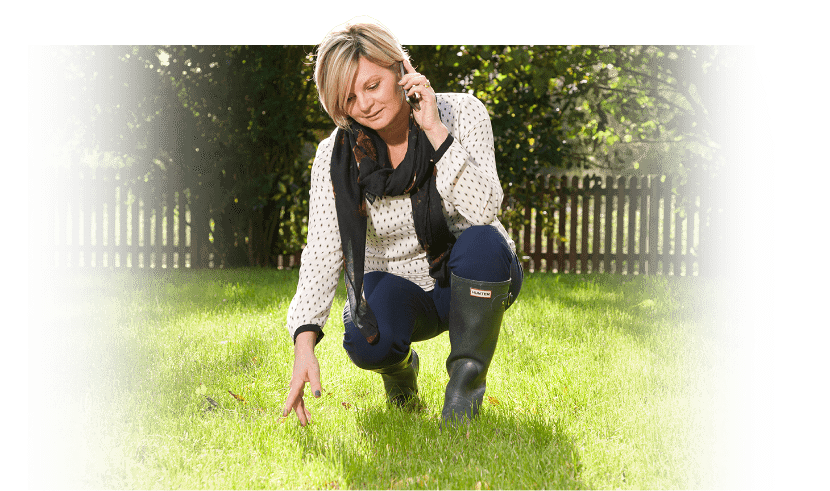
Best Lawn Treatment Services for Weed-Heavy Lawns 2026

Weed-heavy lawns need more than a bag of granular feed and a prayer — they need a treatment programme matched to which weeds you've got, what's underneath the weeds, and whether pets or kids use the garden. This guide ranks the treatment approaches that actually clear stubborn weeds in 2026, not just the ones that look good on a shelf.

TL;DR
  • Selective herbicide programmes are the top pick for lawn treatment services on weed-heavy lawns in 2026 — Buy.
  • Pet-friendly weed control suits households with dogs; check re-entry time before letting pets back on the grass.
  • DIY spot-spray from a garden centre is a Skip for perennial weeds like clover and plantain — it rarely reaches the root.
  • Spring is the best window to start a weed treatment programme, while weeds are actively growing.
  • Lawns with weeds AND moss need a combined approach, not two separate one-off treatments.

Why this matters

A weed-heavy lawn rarely has one problem. Broadleaf weeds like dandelion and clover often show up alongside compacted soil, thin turf, or shade — conditions that let weeds outcompete grass in the first place. Treat the weeds without fixing the underlying issue and they're back within a season.

The full range of lawn treatment services available in the UK spans one-off herbicide sprays through to structured, multi-visit programmes. Picking the wrong one wastes a growing season — and weed seed sits in soil for years, so a missed window in 2026 means fighting the same lawn again in 2027.

How this list is ranked

Each approach below is judged against three things that matter for weed-heavy lawns specifically: how fast it works on established broadleaf and grass weeds, how well it fits real household conditions (pets, kids, shade, soil type), and whether it addresses the cause of weed takeover rather than just the symptom. Treatments that only mask weeds for a few weeks score lower than programmes built around the lawn's actual condition.

The ranked list

1. Selective herbicide treatment programme — the workhorse pick

Selective herbicide targets broadleaf weeds like dandelion, clover, and plantain without harming the surrounding grass, and it's the backbone of most professional lawn treatment services. Visible dieback on treated weeds typically starts within 10-14 days of the first application.

The best herbicide for stubborn lawn weeds depends on which weed species dominate the lawn — a mixed population usually needs two applications spaced a few weeks apart in 2026 rather than one blanket spray. Verdict: Buy for any lawn where weeds cover more than a small patch of the total area.

2. Pet-friendly weed control — the family pick

Standard selective herbicide is safe once dry, but households with dogs that go straight back outside need a treatment with a defined re-entry window, not a guess. Most pet-friendly weed control protocols ask for the lawn to stay dry and undisturbed for a set period after application before animals return.

Weed control for pet-friendly lawns matters most for gardens with young dogs that dig or chew grass, since ingestion risk during the drying period is the actual concern, not long-term safety. Verdict: Buy for any household with pets using the lawn daily.

3. Combined weed and moss treatment — the two-birds pick

Weeds and moss often show up together because both exploit the same weakness: compacted, poorly drained soil that grass struggles to hold. Treating weeds alone while moss keeps spreading just means a second round of work a few months later.

A combined approach treats both in the same visit cycle rather than running two separate programmes across the season. Verdict: Consider — worth it specifically when moss covers a visible portion of the lawn alongside the weeds, skip it if moss isn't present.

4. Spring treatment programme — the timing pick

Weeds are actively growing and pulling nutrients up through their leaves in spring, which is exactly when selective herbicide is most effective — it moves through the plant fastest during active growth. Starting a weed programme in autumn instead means slower uptake and a longer wait for visible results.

Lawn treatment programmes for spring lawn care typically bundle weed control with the first feed of the year, since a well-fed lawn recovers the bare patches weeds leave behind faster. Verdict: Buy as the starting point for any 2026 weed programme.

5. Scarification plus overseeding — the reset pick

When weeds have taken over more than a third of the lawn, killing them just leaves bare soil unless something fills the gap fast. Scarification removes dead thatch and weed debris, and overseeding straight after gives new grass seed a clear run at the space before weed seed germinates there instead.

This combo works best on lawns that are thin as well as weedy — it's a bigger job than a spray-only programme and usually sits later in the season once weeds have died back. Verdict: Consider for lawns with significant bare patches after weed treatment, Skip if the lawn is still reasonably dense.

6. DIY spot-treatment spray — the false economy pick

Garden centre spot sprays kill the visible leaf of a weed but rarely carry enough active ingredient to reach a perennial root system like dandelion's taproot. The weed regrows from the root within a few weeks, and a weed-heavy lawn needs the same bottle sprayed repeatedly across a season with patchy results.

Professional-grade selective herbicide used in structured lawn treatment services carries a different concentration and is applied at the right growth stage, which is why DIY rarely closes the gap on a lawn that's already weed-dominant. Verdict: Skip for anything beyond a handful of isolated weeds.

Weed treatment numbers to know
10-14 days
Visible dieback after first herbicide spray
4-6 visits
Typical annual treatment programme
spread across the growing season
2 applications
Usual minimum for mixed weed populations

Comparison table

Approach Best for Speed to result Verdict
Selective herbicide programme General broadleaf weed cover 10-14 days for dieback Buy
Pet-friendly weed control Households with dogs/cats on the lawn Same as standard, plus re-entry window Buy
Combined weed and moss treatment Lawns with both weeds and moss 2-3 visit cycle Consider
Spring treatment programme Starting a weed programme fresh Fastest uptake window of the year Buy
Scarification plus overseeding Weed-thinned, patchy lawns Full season to establish Consider
DIY spot-treatment spray A handful of isolated weeds only Weeks, often incomplete Skip

Get your lawn assessed

Find out which weed treatment programme fits your lawn’s actual condition.

How to choose the right one

  • Start with an on-site assessment, not a guess from the driveway — weed species, soil compaction, and shade all change which treatment works.
  • Ask how many visits are included. A single spray rarely clears an established weed population; most structured programmes run 4-6 treatments across a year.
  • Flag pets and children up front so re-entry timing gets built into the schedule rather than worked around after the fact.

FAQ

What’s the best lawn treatment service for weed-heavy lawns in 2026?

A selective herbicide programme timed for spring growth is the best starting point for a weed-heavy lawn in 2026. It targets broadleaf weeds like dandelion and clover without killing the grass, with visible dieback in 10-14 days.

How long does professional weed treatment take to work?

Most treated weeds start dying back within 10-14 days of application. A lawn with a mixed weed population usually needs a second application a few weeks later to finish the job.

Is professional lawn treatment better than DIY weed killer?

Yes, for anything beyond a few isolated weeds. Garden centre sprays rarely carry enough active ingredient to kill a perennial root system, so weeds regrow within weeks.

Can lawn weed treatment kill weeds without killing the grass?

Selective herbicide is formulated to target broadleaf weeds while leaving grass unharmed. It’s the standard active ingredient class used across professional lawn treatment services.

Is lawn weed treatment safe for pets and children?

Pet-friendly weed control protocols specify a drying and re-entry window before animals or children return to the lawn. Standard applications are safe once fully dry, but the exact window depends on the product used.

How often do you need lawn treatment for a weed-heavy lawn?

Most weed-heavy lawns need a structured programme of 4-6 visits across the growing season rather than a one-off spray. Spot touch-ups may be needed between scheduled visits if new weed seed germinates.

Does scarification help with weeds or just moss?

Scarification removes thatch and dead debris, which helps moss more directly than weeds, but it’s useful after weed treatment to clear dead weed matter and open space for overseeding.

What’s the difference between weed control and moss control treatment?

Weed control uses selective herbicide to kill broadleaf weeds; moss control uses a different treatment to break down moss growth, usually followed by scarification. Lawns with both need a combined programme, not just one or the other.

One last thing

The weed problem people notice in June was usually decided in March — by the time dandelions are flowering, the plant has already built a deep enough root system that a single spray won't finish it. Starting the programme at the first sign of growth in 2026, rather than waiting for the lawn to look bad, is the single biggest factor in whether a weed-heavy lawn clears in one season or drags into the next.

Related guides

Checkout our latest FREE Guides

Ranked lawn care services near me for a neglected lawn in 2026: scarify first, aerate clay soil, then overseed - the order that actually works.
Autumn lawn treatment for 2026: scarify, overseed, feed and catch leatherjackets and fusarium before winter. What to do first, and what to skip.
Compare lawn treatment services for weed-heavy lawns in 2026: selective herbicide programmes win, DIY sprays fall short. See the full verdict breakdown.
Winter lawn care for 2026: mowing height, aeration timing, moss treatment and snow mould fixes to stop damage before spring growth returns.
Learn how to prepare your lawn for scarification in 2026 — mowing height, moss timing, watering, and the mistakes that cost you a second job.
New turf lawn treatment for 2026: when to feed, when to weed, and when aeration is safe so new turf establishes without setbacks or disease.
Bare and thin lawn patches need different grass repairs depending on the cause. Lawnscience breaks down fixes for urine, moles, thatch and grubs in 2026.

Checkout our latest FREE Guides

Ranked lawn care services near me for a neglected lawn in 2026: scarify first, aerate clay soil, then overseed - the order that actually works.
Autumn lawn treatment for 2026: scarify, overseed, feed and catch leatherjackets and fusarium before winter. What to do first, and what to skip.
Compare lawn treatment services for weed-heavy lawns in 2026: selective herbicide programmes win, DIY sprays fall short. See the full verdict breakdown.
Winter lawn care for 2026: mowing height, aeration timing, moss treatment and snow mould fixes to stop damage before spring growth returns.
Learn how to prepare your lawn for scarification in 2026 — mowing height, moss timing, watering, and the mistakes that cost you a second job.
New turf lawn treatment for 2026: when to feed, when to weed, and when aeration is safe so new turf establishes without setbacks or disease.
Bare and thin lawn patches need different grass repairs depending on the cause. Lawnscience breaks down fixes for urine, moles, thatch and grubs in 2026.
Request a Call back

Enter your details below to request a call back from us.

    Owning and running my Lawnscience Franchise is the best career move that I have ever made, and I wish I had done it 10 years ago! Nigel Bishop
    These are the questions that our customers ask most frequently.
    What our clients say...
    Felt sure the only remedy for our new house builder's lawn was to rip it up and start again! Lawnscience showed us other potential less drastic options and has made them a reality. Glad we consulted Lawnscience then, and very happy to continue to use…
    Mr Kenward
    What our clients say...
    Really friendly and knowledgeable team. My lawn was full of moss and weeds. Now It looks like a lawn should do. Green, lush and healthy.
    Trevor Dealey
    What our clients say...
    Lawnscience are always prompt and helped me keep on top of treatments for a newly laid lawn. Certainly takes the hassle away of burning grass etc when trying to add treatments yourself. Very good value for money. Nice guy.
    Mr Hamilton
    What our clients say...
    1st class service. Very knowledgeable on lawn care and how to improve our garden. Provided a course of action and a timetable to work to keep expectations high. Grass scarified and reseeded with great results
    Mr Murray
    What our clients say...
    Lawnscience provide a service of feeding the grass and killing the weeds and moss that are in all lawns. The treatment varies depending on the time of year. By using Lawnscience a minimum of four times a year our lawns have shown a vast improvement.
    Mr Knight
    Lady assesses lawn
    Request a Call back

    Enter your details below to request a call back from us.