Chafer Grub Damage

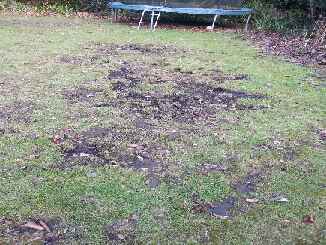
If you see birds, especially crows, magpies and jays, pecking at your lawn or notice that wild life, such as badgers or foxes, have been digging in your lawn you could have Chafer Grubs living in the root zone of your lawn.

Chafer Grubs (Phyllopertha horticola and Hopia philanthus) are the larvae of chafer beetle or May bug. The larvae are easy to identify their bodies are white in colour and curved like the letter C. There are 2 main types, the Welsh Chafer has brown head and the Common Chafer has a reddish head. Both have 3 pairs of legs at the top of the body.

When the problem occurs

Towards the end of May the adult beetles emerge from the soil. They lay their eggs into lawns and grassed areas. After approximately two weeks the Larvae hatch and start to feed on the lawns root system. Depending upon soil temperature they may move deeper into the soil over the winter period. The serious damage starts to take effect during Spring and Summer.

The initial signs of a Chafer Grub infestation are birds and wild animals causing damage to the lawn’s surface. The birds and animals are aware of the Chafer Grubs in your lawn and they see them as a ready food supply. As the larvae develop their appetite increases and you will see signs of yellowing and dieback of the lawn where they have completely devoured the root system. You can test if the root system has been attacked by tugging at the grass, if it moves easily away from the soil you can be sure the root system has been eaten.

As soon as you have any indication of a Chafer Grubs it is wise to take rapid action as the damage caused can destroy an entire lawn in a very short amount of time.

If you suspect that your lawn is infested with Chafer Grubs why not take advantage of the Lawnscience lawn review service. One of our fully trained lawn care professionals will be happy to arrange a free lawn review with you, during which they will identify the issue(s) and provide you with a fully costed solution for you to consider. To take advantage of this opportunity just click on the orange Help Please button below.

Need Some Help With Your Lawn?

The RHS is the world's leading gardening charity.

Lawnscience supports the RHS by annual charitable donations

Checkout our latest FREE Guides

Best lawn treatment for raised vegetable bed gardens in 2026: Lawnscience's targeted programme wins overall, organic suits chemical-sensitive homes.
Chickweed lawn control in 2026: a selective herbicide plus thicker turf clears it fastest. See what causes it to return and when to get professional help.
How to get lawn stripes in 2026: use a rear-roller mower, overlap passes, and alternate direction. Straight, diagonal and checkerboard patterns explained.
Lawn scalping fix for 2026: raise the mower height and recover in 7-10 days (light) or 3-6 weeks (severe). Steps, causes and when to overseed.
Annual meadow grass control in 2026 needs aeration, mowing height changes and overseeding, not a single spray. See what works and what to skip.
Lawn treatment for car dealerships in 2026: fix compaction, oil stains and weed patches with a scheduled programme built around forecourt traffic.
Best moss killer safe for pets in 2026: iron sulphate lawn sand wins for DIY use, compared against liquid iron, 3-in-1 granules and professional treatment.

Checkout our latest FREE Guides

Best lawn treatment for raised vegetable bed gardens in 2026: Lawnscience's targeted programme wins overall, organic suits chemical-sensitive homes.
Chickweed lawn control in 2026: a selective herbicide plus thicker turf clears it fastest. See what causes it to return and when to get professional help.
How to get lawn stripes in 2026: use a rear-roller mower, overlap passes, and alternate direction. Straight, diagonal and checkerboard patterns explained.
Lawn scalping fix for 2026: raise the mower height and recover in 7-10 days (light) or 3-6 weeks (severe). Steps, causes and when to overseed.
Annual meadow grass control in 2026 needs aeration, mowing height changes and overseeding, not a single spray. See what works and what to skip.
Lawn treatment for car dealerships in 2026: fix compaction, oil stains and weed patches with a scheduled programme built around forecourt traffic.
Best moss killer safe for pets in 2026: iron sulphate lawn sand wins for DIY use, compared against liquid iron, 3-in-1 granules and professional treatment.
Request a Call back

Enter your details below to request a call back from us.

    Owning and running my Lawnscience Franchise is the best career move that I have ever made, and I wish I had done it 10 years ago! Nigel Bishop
    These are the questions that our customers ask most frequently.
    What our clients say...
    Felt sure the only remedy for our new house builder's lawn was to rip it up and start again! Lawnscience showed us other potential less drastic options and has made them a reality. Glad we consulted Lawnscience then, and very happy to continue to use…
    Mr Kenward
    What our clients say...
    Really friendly and knowledgeable team. My lawn was full of moss and weeds. Now It looks like a lawn should do. Green, lush and healthy.
    Trevor Dealey
    What our clients say...
    Lawnscience are always prompt and helped me keep on top of treatments for a newly laid lawn. Certainly takes the hassle away of burning grass etc when trying to add treatments yourself. Very good value for money. Nice guy.
    Mr Hamilton
    What our clients say...
    1st class service. Very knowledgeable on lawn care and how to improve our garden. Provided a course of action and a timetable to work to keep expectations high. Grass scarified and reseeded with great results
    Mr Murray
    What our clients say...
    Lawnscience provide a service of feeding the grass and killing the weeds and moss that are in all lawns. The treatment varies depending on the time of year. By using Lawnscience a minimum of four times a year our lawns have shown a vast improvement.
    Mr Knight
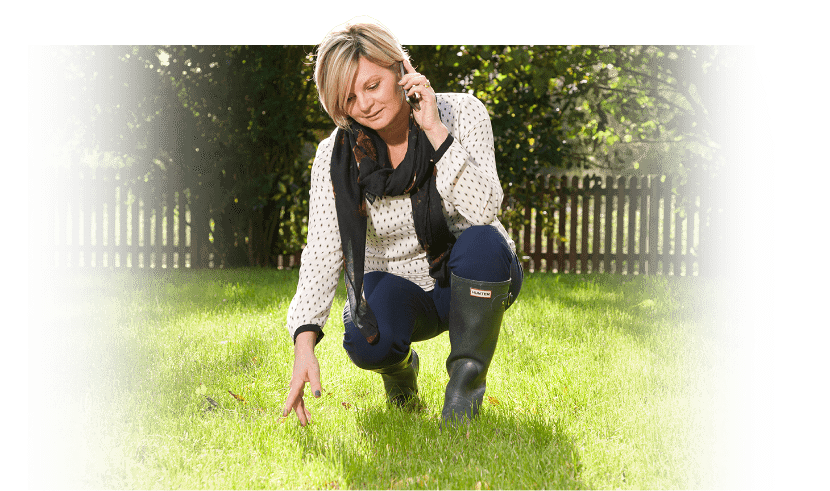
    Lady assesses lawn
    Request a Call back

    Enter your details below to request a call back from us.