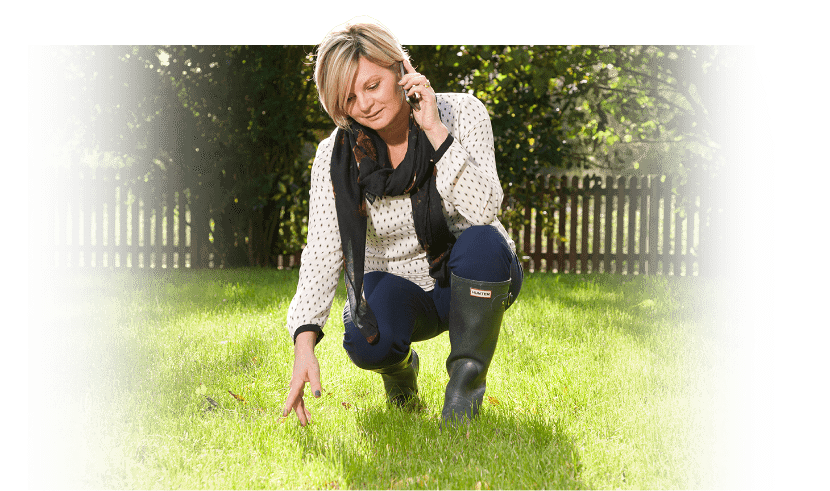
When to Aerate Your Lawn: 2026 Signs & Timing Guide

Grass thinning out despite regular feeding and mowing? The problem is usually below the surface — compacted soil blocks water, air and nutrients from reaching the roots, and knowing exactly when to aerate your lawn is what separates a proper fix from a wasted Saturday.

TL;DR
  • The best time to aerate a lawn on clay soil or heavy-traffic areas is spring (March-May) or autumn (September-October) 2026.
  • A screwdriver that won’t push 5cm into the turf without force confirms compaction — aerate now, don’t wait.
  • Waterlogged patches and thatch layers over 1cm both signal it’s time to aerate, not just mow harder.
  • Skip aeration during summer heat or winter frost — stressed grass won’t recover from hollow tining.

Why this matters

Compacted soil is the single biggest reason a lawn stops improving no matter how much fertiliser goes down. Roots need air pockets to breathe and expand; once soil particles get pressed flat by foot traffic, mowers, or heavy clay content, water sits on the surface instead of soaking in.

Most UK gardens sit on some proportion of clay, and clay compacts faster than sandy loam because the particles are smaller and pack tighter. Lawnscience sees this pattern constantly on lawns treated for clay soil compaction — the grass looks fine after rain, then goes patchy the moment a dry week hits because the roots never went deep.

Get the timing wrong and aeration does nothing. Get it right and you fix drainage, thatch, and shallow rooting in one pass.

What you'll need

  • A flathead screwdriver or soil probe (for the compaction test)
  • A garden fork, hollow-tine aerator, or spiked aerator sandals
  • A stiff rake for lifting cores afterwards
  • A weather forecast for the coming 7-10 days
  • Knowledge of your soil type — clay, loam, or sandy

The steps

1. Run the screwdriver test

This single check tells you more than any calendar rule. Push a flathead screwdriver into the lawn in three or four spots — if it won't go in 5cm (2 inches) without leaning your body weight on it, the soil underneath is compacted.

Do this after a dry spell, not straight after rain, or you'll get a false soft reading. Compacted spots near gates, washing lines, and any path across the lawn will fail this test long before the rest of the garden does.

2. Check for pooling water after rain

Walk the lawn 30-60 minutes after a heavy shower. Puddles that sit for more than an hour, or squelchy ground that stays wet for a day, point to compacted or heavy clay soil that needs opening up.

This is the same issue Lawnscience addresses on waterlogged garden lawns — aeration creates channels for water to drain through rather than sitting on top and drowning the roots.

3. Measure the thatch layer

Cut a small wedge of turf, about 10cm square, and look at the spongy brown layer between the green grass and the soil. Anything over 1cm (roughly the width of a pound coin) is thatch building up faster than it's breaking down.

Thatch and compaction usually arrive together, because a dense layer stops air reaching the soil the same way compacted particles do. If you're not sure what you're looking at, the guide on spotting a thatch problem walks through what a healthy layer looks like versus one that needs action.

4. Watch how the grass handles dry spells

A lawn with healthy root depth stays green through a week without rain. One that yellows and wilts within two or three dry days almost certainly has roots trapped in the top few centimetres of soil, because compaction stopped them growing down.

This is one of the clearest real-world signals that timing has arrived — don't wait for the whole lawn to brown off before acting.

5. Factor in your soil type

Clay lawns need aerating roughly once or twice a year; sandy soil, which drains and breathes naturally, might only need it every two to three years. If you don't know your soil type, dig a small hole 15cm deep — clay stays in a ball when squeezed wet, sand falls apart immediately.

6. Match the timing to the season

Aerate in spring or autumn when the grass is actively growing and can recover fast: March to May, or September to October, work best across most of the UK in 2026. Cool, moist soil in these windows also means the tines or spikes go in cleanly without tearing.

Common mistake: aerating in the middle of a summer heatwave or a hard winter frost. The lawn is either too stressed or too dormant to recover, and you're left with bare, exposed soil doing nothing until the next growing season.

7. Rule out other causes first

Yellow patches, thinning grass, and puddling aren't always about compaction — pests, disease, or dog urine can mimic the same symptoms. Before booking an aeration slot, check that leatherjacket grubs or a lawn disease aren't the actual cause, because aerating over an active pest problem just spreads it around.

Not sure if your lawn needs aerating?

Get a professional assessment before you spend a weekend on it.

Troubleshooting

The screwdriver goes in fine everywhere, but the lawn still struggles. Compaction isn't the issue — check thatch depth and drainage separately before assuming aeration will fix it.

Water pools in one specific corner, not across the whole lawn. That's usually a drainage or grading problem rather than general compaction, and localised aeration alone won't solve a low spot that collects run-off from the rest of the garden.

You aerated in autumn but the lawn looks worse, not better. Grass takes 2-4 weeks to recover visually after coring — the surface looks rougher before it looks better as the holes fill in and roots push down.

Green patches and dark rings appear where you didn't aerate. That pattern often points to moss taking hold in the compacted, shaded, or damp areas you missed — the guide on moss in waterlogged lawns covers how to tell moss apart from ordinary compaction damage.

Worm casts keep appearing and you're mistaking them for thatch. Worm casts are small, dark, and crumbly; thatch is a fibrous mat you have to cut through to see. Worms are a sign of healthy soil biology, not a problem to aerate away.

Tools and resources

  • Hollow-tine aerator — pulls out soil cores, best for clay and heavy compaction
  • Solid-tine or spike aerator — cheaper, faster, better suited to light annual maintenance
  • Soil probe or flathead screwdriver — for the compaction test above
  • Professional aeration service — worth booking if the lawn covers more than a small back garden, since hand tools get slow past 50 square metres

If a screwdriver won't sink 5cm into your lawn without force, the soil is compacted and overdue for aeration.

What to do next

Once you've confirmed aeration is due, pair it with overseeding or a light top-dress to make the most of the open holes — bare aeration without follow-up feeding wastes half the benefit. If moss or a heavy thatch mat is part of the picture, scarifying first clears the surface so aeration tines can actually reach compacted soil instead of chewing through dead organic matter.

FAQ

When should I aerate my lawn in the UK?

Aerate in spring (March-May) or autumn (September-October) when grass is actively growing and can recover quickly. Avoid summer heat and winter frost, since stressed or dormant grass won’t bounce back from the disturbance.

How do I know if my lawn needs aerating?

Push a screwdriver into the turf — if it won’t go in 5cm without force, the soil is compacted and needs aerating. Pooling water after rain and thatch over 1cm thick are two other clear signs.

Is it possible to aerate a lawn too often?

Yes, aerating more than twice a year on the same lawn can stress the grass without giving roots time to recover. Most clay lawns only need aeration once or twice a year; sandy soil needs it far less often.

Should I aerate before or after fertilising?

Aerate first, then feed. The open holes let fertiliser and water reach the root zone directly instead of sitting on compacted surface soil.

Does aerating help with waterlogged lawns?

Aerating creates channels through compacted soil that let standing water drain away instead of pooling on the surface. Lawns on heavy clay usually see the biggest improvement.

Can I aerate a lawn with a garden fork?

A garden fork works for small areas but only penetrates 10-15cm and doesn’t remove soil cores the way a hollow-tine aerator does. For anything over a small back garden, a proper aerator or a professional service saves hours of work.

What’s the difference between aeration and scarification?

Aeration relieves soil compaction by creating holes or removing cores so roots can breathe and drain. Scarification rakes out thatch and moss from the surface — they solve different problems and often get done together in the same season.

One last thing

The single detail most people miss: aerating a lawn that's already stressed by drought does more harm than good, because the exposed cut edges dry out fast and the grass can't recover fast enough to close the gaps. Water the lawn two or three days before aerating if it's been a dry spell — moist soil also lets tines go in cleaner and pull proper cores instead of just poking shallow holes.

Related guides

Checkout our latest FREE Guides

Overseeding after scarification: seed rates, timing, soil temperature and the mistakes that stop new grass establishing. UK lawn advice for 2026.
Overseeding a shaded lawn in 2026 fails without moss treatment, fine fescue seed and proper prep. See what works and what to skip before you sow.
Overseed thin lawn patches the right way in 2026 — seed rates, timing, watering and the fixes that stop bare spots coming back.
Learn when to aerate your lawn in 2026 with the screwdriver compaction test, seasonal timing, and clear signs like puddling and thatch buildup.
Best herbicide for lawns in 2026, ranked: three-way selectives beat single actives, glyphosate kills grass too, and stubborn weeds need more than one bottle.
Lawn aeration clay soil guide for 2026: hollow-tine wins over solid-tine and DIY spikes. Depth, timing, and what to avoid on heavy clay lawns.
Weed control for pet-friendly lawns in 2026: which treatments are safe for dogs, correct re-entry times, and the professional option that works fastest.

Checkout our latest FREE Guides

Overseeding after scarification: seed rates, timing, soil temperature and the mistakes that stop new grass establishing. UK lawn advice for 2026.
Overseeding a shaded lawn in 2026 fails without moss treatment, fine fescue seed and proper prep. See what works and what to skip before you sow.
Overseed thin lawn patches the right way in 2026 — seed rates, timing, watering and the fixes that stop bare spots coming back.
Learn when to aerate your lawn in 2026 with the screwdriver compaction test, seasonal timing, and clear signs like puddling and thatch buildup.
Best herbicide for lawns in 2026, ranked: three-way selectives beat single actives, glyphosate kills grass too, and stubborn weeds need more than one bottle.
Lawn aeration clay soil guide for 2026: hollow-tine wins over solid-tine and DIY spikes. Depth, timing, and what to avoid on heavy clay lawns.
Weed control for pet-friendly lawns in 2026: which treatments are safe for dogs, correct re-entry times, and the professional option that works fastest.
Request a Call back

Enter your details below to request a call back from us.

    Owning and running my Lawnscience Franchise is the best career move that I have ever made, and I wish I had done it 10 years ago! Nigel Bishop
    These are the questions that our customers ask most frequently.
    What our clients say...
    Felt sure the only remedy for our new house builder's lawn was to rip it up and start again! Lawnscience showed us other potential less drastic options and has made them a reality. Glad we consulted Lawnscience then, and very happy to continue to use…
    Mr Kenward
    What our clients say...
    Really friendly and knowledgeable team. My lawn was full of moss and weeds. Now It looks like a lawn should do. Green, lush and healthy.
    Trevor Dealey
    What our clients say...
    Lawnscience are always prompt and helped me keep on top of treatments for a newly laid lawn. Certainly takes the hassle away of burning grass etc when trying to add treatments yourself. Very good value for money. Nice guy.
    Mr Hamilton
    What our clients say...
    1st class service. Very knowledgeable on lawn care and how to improve our garden. Provided a course of action and a timetable to work to keep expectations high. Grass scarified and reseeded with great results
    Mr Murray
    What our clients say...
    Lawnscience provide a service of feeding the grass and killing the weeds and moss that are in all lawns. The treatment varies depending on the time of year. By using Lawnscience a minimum of four times a year our lawns have shown a vast improvement.
    Mr Knight
    Lady assesses lawn
    Request a Call back

    Enter your details below to request a call back from us.