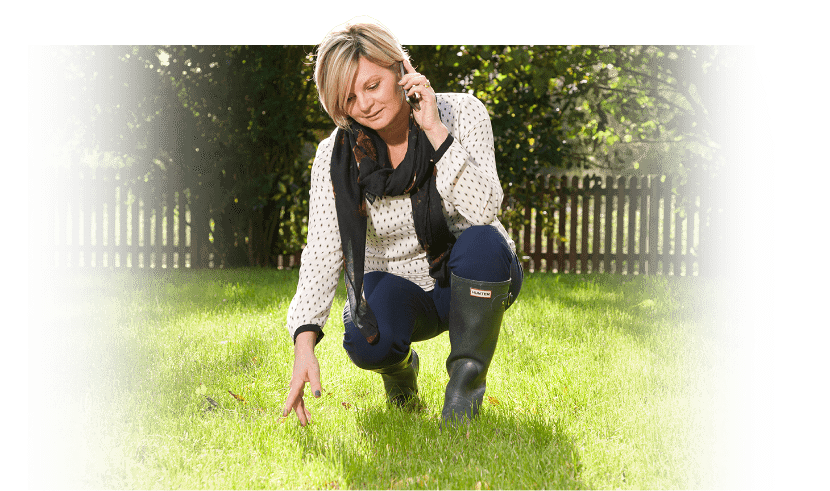
Lawn Care for Elderly Homeowners: 2026 Safety Guide

If mowing, kneeling to pull weeds, or dragging a scarifier across the lawn has become a strain rather than a pleasure, this guide covers what to prioritise, what to hand off, and which treatments keep a lawn safe and presentable without the physical toll.

TL;DR
  • Lawn care for elderly homeowners should prioritise slip-safety, low-chemical products, and scheduled professional visits over DIY weekend jobs.
  • Moss on waterlogged lawns is the top trip-hazard fix in 2026 — treat it before autumn, not after a fall.
  • Best organic lawn treatment for chemical-sensitive homes suits anyone on medication or with respiratory sensitivity — Buy.
  • A full renovation for a neglected lawn is a one-off investment that removes years of ongoing bending and raking — Buy.
  • Skip heavy manual scarification and hand-weeding; both carry real fall risk for low-mobility gardeners.

Why this matters

A lawn that's easy to walk on and doesn't need weekly attention isn't a luxury for older or low-mobility homeowners — it's a safety issue. Uneven, moss-slick, or weed-choked turf is a genuine trip hazard, and the physical demands of mowing, bending to hand-weed, or pushing a scarifier are exactly the tasks orthopaedic guidance tells people to avoid after joint replacements or with balance conditions.

The good news: lawn care for elderly homeowners doesn't mean giving up on a decent-looking garden. It means shifting the workload from the homeowner to a scheduled treatment programme, and choosing products and timings that reduce risk rather than add to it. Lawnscience treats lawns across the UK with exactly this kind of low-chemical, appointment-based approach, so the choices below reflect what actually gets used, not theory.

Who this is for

This guide is for homeowners aged 65 and over, anyone recovering from surgery or living with arthritis, COPD, or balance issues, and adult children managing a parent's garden from a distance. If bending for more than a minute or standing on uneven ground worries you, or if a family member has raised concerns about falls in the garden, the choices below apply directly to you.

What to look for in lawn care for elderly homeowners

Low physical demand

Any treatment that requires the homeowner to kneel, push heavy equipment, or carry sacks of feed defeats the point. Scheduled visits from a technician who brings and operates the equipment remove that risk entirely — the homeowner's job becomes watering and mowing at most, not treating.

Slip and trip safety

Moss, thatch, and waterlogged patches are the three biggest hazards on a residential lawn. Moss turns slick within a day of rain, thatch hides uneven ground underfoot, and waterlogging creates soft spots that catch a foot. Treating these proactively in 2026 matters more than treating them reactively after a fall.

Chemical sensitivity

Many older adults are on medication, have compromised immune systems, or have respiratory conditions like COPD that make standard broad-spectrum herbicides a real concern. A programme using organic or reduced-chemical products avoids the two- to four-hour keep-off period that some conventional treatments require and lowers exposure risk generally.

Predictable scheduling

A one-off DIY weekend project is harder to plan around than four or five scheduled visits a year. Predictable appointments mean the homeowner (or a family member) can plan to be present, arrange access, and know exactly when the lawn will need mowing afterward.

Low-maintenance recovery period

After any treatment — feed, weed control, aeration — there's usually a recommended period before heavy use or mowing. For someone who can't easily re-treat a patch that fails, getting this right the first time matters more than for a homeowner who can just redo it next weekend.

Realistic long-term cost

A neglected lawn left untreated for years typically needs more intervention, not less, the longer it's left. Catching problems early with a maintenance programme is cheaper and less disruptive than a full renovation five years later.

Top picks for 2026

The safe pick: organic and low-chemical treatment

For anyone with a chemical sensitivity, on medication, or simply cautious about spray drift near the house, organic lawn treatment for chemical-sensitive homes is the starting point. It typically has a shorter or no keep-off period compared with standard herbicide programmes and reduces exposure for anyone spending a lot of time near the lawn. Verdict: Buy — this is the default choice, not a niche upgrade, for this audience.

The one-and-done: full renovation for a neglected lawn

If a lawn has been left for two or three years because mowing and weeding became too much, patch-by-patch DIY fixes won't catch up. A structured renovation through lawn care for a renovating a neglected lawn resets the whole area in one coordinated programme rather than requiring repeated weekend effort. Verdict: Buy — it's the option that removes the most future physical labour per pound spent.

The slip-hazard fix: moss control for waterlogged lawns

Moss thrives on lawns with poor drainage, and waterlogged ground is exactly where an unsteady foot slips hardest. Moss control for waterlogged lawns treats the moss and addresses the underlying wet patches, cutting the trip risk directly rather than just improving the lawn's colour. Verdict: Buy — treat this before winter 2026 rains set in, not after.

The persistent-weed fix: targeted herbicide

Dandelions, plantains, and clover create uneven surfaces as they spread and die back, and hand-pulling them means repeated kneeling. The best herbicide for stubborn lawn weeds applied by a technician clears the problem in one or two visits rather than an ongoing weekend chore. Verdict: Buy for anyone whose lawn has visible weed patches larger than a dinner plate.

The low-effort maintenance plan: scheduled seasonal programme

Once a lawn is in reasonable shape, a spring lawn care treatment programme keeps it that way with three to five visits a year rather than constant homeowner intervention. Consider this if the lawn is already healthy and the goal is simply to avoid it slipping backward.

“If mowing leaves you sore or unsteady for the rest of the day, that’s the lawn telling you to hand the job over.”

What to avoid

  • Heavy manual scarification — dragging a scarifier across a full lawn is a two-hour job that strains the back and shoulders even for fit adults; leave it to equipment operated by someone else.
  • DIY hand-weeding on large infestations — kneeling repeatedly on uneven ground to pull weeds one by one is exactly the fall-risk scenario this guide is trying to avoid.
  • Cheap one-off spray treatments with no follow-up — a single unscheduled spray looks like a bargain but usually needs redoing within months, meaning more physical effort down the line, not less.

Get a low-effort lawn care plan

Scheduled visits, low-chemical options, no equipment for you to lift.

Verdict comparison

Option Physical effort required Chemical exposure Best for Verdict
Organic treatment (chemical-sensitive homes) None (technician-applied) Low Medication or respiratory sensitivity Buy
Neglected lawn renovation None (technician-applied) Standard Lawns unattended 2+ years Buy
Moss control for waterlogged lawns None (technician-applied) Low-moderate Slip-hazard patches Buy
Stubborn weed herbicide None (technician-applied) Standard Visible weed patches Buy
Seasonal maintenance programme Minimal (mowing only) Standard Already-healthy lawns Consider

FAQ

What is the best lawn care for elderly homeowners in 2026?

The best approach for elderly homeowners in 2026 is a scheduled professional treatment programme using low-chemical or organic products, which removes bending, kneeling, and equipment-handling from the homeowner entirely. Mowing is usually the only task left, and even that can be handed off if needed.

Is organic lawn treatment better than standard herbicide for older adults?

Organic and low-chemical treatments are generally safer for older adults on medication or with respiratory conditions because they typically involve shorter or no keep-off periods. Standard herbicides are still effective for stubborn weeds but need more careful timing around anyone with sensitivities.

How often does an elderly homeowner need lawn treatment?

Most seasonal treatment programmes involve three to five visits a year, spaced around spring feeding, summer weed control, and autumn recovery. This is far less frequent than the weekly effort DIY lawn care demands.

Is moss dangerous on a lawn for someone with balance issues?

Yes, moss becomes slick within a day of rain and significantly increases fall risk on uneven ground. Treating moss on waterlogged patches before autumn and winter rains is a safety measure, not just a cosmetic one.

Can a neglected lawn be fixed without heavy manual work?

A structured renovation programme handles scarification, seeding, and feeding across coordinated visits, so the homeowner never has to lift equipment. This is the most efficient route for a lawn left unattended for two or more years.

How much does professional lawn care cost for elderly homeowners in 2026?

Costs vary by lawn size and the number of visits in a programme, so it’s worth getting a specific quote rather than relying on a national average. Ongoing seasonal plans are usually cheaper per visit than one-off emergency treatments.

What should a family member check before hiring lawn care for a parent?

Confirm the technician handles all equipment and application on-site, ask whether products used are low-chemical, and check the keep-off period after each visit. Scheduling flexibility for someone who may not always be home also matters.

Is aeration safe to skip for an elderly homeowner’s lawn?

Aeration shouldn’t be skipped indefinitely because compacted soil worsens waterlogging and moss over time, both fall hazards. It should simply be done by a technician rather than with a manual hollow-tine fork.

One last thing

The single change that reduces both effort and risk fastest isn't a bigger treatment plan — it's fixing drainage-related moss before winter 2026, since that's the one problem that turns a cosmetic issue into a genuine trip hazard within a season.

Related guides

Checkout our latest FREE Guides

Lawn treatment for small gardens in 2026: which programmes fix shade, compacted soil and heavy foot traffic - and which ones to skip in tight city plots.
Lawn treatment for holiday let gardens compared for 2026 — fast-recovery seeding, pet-safe weed control, and renovation picks with clear buy and skip verdicts.
Lawn treatment for sports clubs and school playing fields: what to look for, top programmes ranked, and what to avoid. 2026 buying guide with verdicts.
Lawn care for large country gardens in 2026: soil-specific treatment, pest control, drainage fixes and a verdict on what actually works at scale.
Lawn care for elderly homeowners in 2026: low-chemical treatments, moss and slip-hazard fixes, and scheduled programmes that remove the physical work.
Lawn treatment for landlords in 2026: which service fits weed-heavy lawns, new-builds, and sale prep, and what to skip before a viewing or check-out.
Speedwell weed lawn control in 2026: correct herbicide, right timing, and the overseeding steps that stop it coming back for good.

Checkout our latest FREE Guides

Lawn treatment for small gardens in 2026: which programmes fix shade, compacted soil and heavy foot traffic - and which ones to skip in tight city plots.
Lawn treatment for holiday let gardens compared for 2026 — fast-recovery seeding, pet-safe weed control, and renovation picks with clear buy and skip verdicts.
Lawn treatment for sports clubs and school playing fields: what to look for, top programmes ranked, and what to avoid. 2026 buying guide with verdicts.
Lawn care for large country gardens in 2026: soil-specific treatment, pest control, drainage fixes and a verdict on what actually works at scale.
Lawn care for elderly homeowners in 2026: low-chemical treatments, moss and slip-hazard fixes, and scheduled programmes that remove the physical work.
Lawn treatment for landlords in 2026: which service fits weed-heavy lawns, new-builds, and sale prep, and what to skip before a viewing or check-out.
Speedwell weed lawn control in 2026: correct herbicide, right timing, and the overseeding steps that stop it coming back for good.
Request a Call back

Enter your details below to request a call back from us.

    Owning and running my Lawnscience Franchise is the best career move that I have ever made, and I wish I had done it 10 years ago! Nigel Bishop
    These are the questions that our customers ask most frequently.
    What our clients say...
    Felt sure the only remedy for our new house builder's lawn was to rip it up and start again! Lawnscience showed us other potential less drastic options and has made them a reality. Glad we consulted Lawnscience then, and very happy to continue to use…
    Mr Kenward
    What our clients say...
    Really friendly and knowledgeable team. My lawn was full of moss and weeds. Now It looks like a lawn should do. Green, lush and healthy.
    Trevor Dealey
    What our clients say...
    Lawnscience are always prompt and helped me keep on top of treatments for a newly laid lawn. Certainly takes the hassle away of burning grass etc when trying to add treatments yourself. Very good value for money. Nice guy.
    Mr Hamilton
    What our clients say...
    1st class service. Very knowledgeable on lawn care and how to improve our garden. Provided a course of action and a timetable to work to keep expectations high. Grass scarified and reseeded with great results
    Mr Murray
    What our clients say...
    Lawnscience provide a service of feeding the grass and killing the weeds and moss that are in all lawns. The treatment varies depending on the time of year. By using Lawnscience a minimum of four times a year our lawns have shown a vast improvement.
    Mr Knight
    Lady assesses lawn
    Request a Call back

    Enter your details below to request a call back from us.