Artificial to Natural Lawn Conversion: 2026 Verdict

Ripping out artificial turf and putting down real grass isn't a weekend job — the ground beneath synthetic turf has spent years compacted, starved of oxygen and stripped of the biology a natural lawn needs, and how you treat it in the first few months decides whether your artificial to natural lawn conversion actually takes.

TL;DR
  • Artificial to natural lawn conversion succeeds when the subbase gets broken up and tested before seed goes down.
  • Skip aeration on ex-turf ground and roots stay shallow through the whole 2026 growing season.
  • New turf establishment beats seed for a fast, even result on ground that’s been under plastic for years.
  • Chemical-sensitive households need organic-based feeding in year one, not standard granular fertiliser.
  • Never lay seed straight onto compacted subbase — test the soil first or the lawn fails by August.

Why this matters

Most artificial lawns sit on 50-100mm of compacted crushed stone or sand subbase, laid to stop the turf backing from shifting. That layer does its job for the 8 to 15 years synthetic grass typically lasts, but it also seals the soil underneath off from air, worms and organic matter for the entire time.

Pull the turf up and you're not looking at a garden bed — you're looking at dead ground that's been suffocating quietly since installation. Seed thrown down on that surface in 2026 behaves nothing like seed on a lawn that's had grass growing continuously. That gap is exactly why so many DIY conversions collapse by their first hot spell.

Who this is for

This guide is for homeowners pulling up artificial turf — because it's faded, because a family member reacts to the infill, or because a buyer's survey flagged it before a sale — and replacing it with a real lawn. If you want grass that survives its first year rather than a patchy strip that needs redoing by 2027, preparing the garden properly for a new lawn installation is where the work actually starts, not the seed bag.

What to look for in an artificial-to-natural lawn conversion

Subbase depth and compaction

The crushed stone base under most artificial lawns is denser than any soil grass roots can push through unassisted. If a garden fork won't go in 100mm without leaning your full weight on it, roots won't either, and that's the single biggest reason ex-artificial lawns thin out within months.

Soil pH and nutrient levels

Soil sealed under plastic for a decade often drifts away from the 6.0-7.0 pH range grass needs to take up nutrients properly. Guessing here wastes a season — testing your lawn's soil pH before treatment tells you whether you're feeding a lawn or feeding weeds that tolerate the imbalance better than grass does.

Drainage patterns left by the old install

Artificial turf is often laid with a shaped subbase to shed water away from the house, which means the ground underneath drains completely differently to a garden bed. Ignore this and you get standing water in one corner and drought-stressed patches three feet away, in the same lawn.

Weed membrane removal

Most installs include a woven or non-woven membrane between subbase and turf backing. Any scrap left behind blocks root penetration exactly where it's buried, so a lawn that looks fine everywhere else develops one dead patch that never explains itself until someone digs.

Establishment method — turf or seed

Ground that's just come out from under plastic rarely has the surface structure to hold seed evenly; it washes into low spots after the first heavy rain. Turf gives an ex-artificial lawn instant root contact and even coverage, which matters more here than on a normal renovation.

“If the subbase is still compacted after digging out the turf, grass seed won’t survive its first summer.”

Get your conversion assessed

A tailored treatment plan for ex-artificial ground, built around your soil and site.

Top picks: the treatments that decide whether the conversion holds

The non-negotiable first move. Garden prep before installation isn't optional on ex-artificial ground — the subbase has to be broken up to at least 150mm before anything goes in. Homeowners who skip straight to seeding are the ones back asking about bare patches by month three. Book it.

The soil check. A pH and nutrient test costs less than a bag of seed and tells you exactly what's wrong before you spend money guessing. On ground that's been sealed for 8-15 years, skipping this step is the most common mistake in the whole conversion. Book it.

The fast-track pick. New turf establishment treatment is the right call when the old subbase has already been dug out and reworked, because turf roots into disturbed ground faster and more evenly than seed does in the first 6-8 weeks. For a lawn that needs to look presentable by summer 2026, this is the pick that gets there. Book it.

The allergy-conscious option. Organic-based feeding programmes suit households that pulled out artificial turf specifically over chemical sensitivity concerns — standard granular fertiliser isn't the right first move for that buyer profile, even though it works fine elsewhere. Consider.

The one-size-fits-all shortcut. Generic "seed and forget" starter kits sold for new lawns assume soil that's been breathing all along. On ex-artificial ground with no compaction relief and no pH check behind it, the same kit that works on a normal new-build garden fails here. Skip.

What to avoid

  • Seeding straight onto the flattened area where the turf sat — it looks like bare soil but it's still compacted subbase underneath, and seed on top of it germinates then dies back within weeks.
  • Standard weed-and-feed programmes in month one — a lawn with no established root system yet can't handle the same feed rates as a mature lawn, and you'll scorch the new growth you just paid for.
  • Assuming the old drainage still works — ex-artificial ground often channels water toward one edge of the garden, and new turf laid without checking that first waterlogs in its first wet autumn.

Verdict comparison

Criterion Why it matters here Verdict
Subbase compaction Roots can't push through undisturbed crushed stone Fix before anything else
Soil pH & nutrients Sealed soil drifts outside the 6.0-7.0 range grass needs Test, don't guess
Drainage pattern Shaped subbase sheds water unevenly once turf is gone Check before laying
Weed membrane scraps Any leftover fabric blocks roots in that exact spot Remove fully
Turf vs seed Seed washes on disturbed, uneven ground Turf for fast, even cover

FAQ

What’s the best way to convert an artificial lawn to a natural lawn?

Break up and remove the compacted subbase first, test the soil pH, then lay turf rather than seed for even, fast coverage. Skipping the subbase step is the main reason artificial to natural lawn conversion projects fail within the first season.

How long does it take to establish a natural lawn after removing artificial turf?

Turf laid on properly reworked ground typically roots in within 6-8 weeks, with a lawn ready for light use by the following season. Seed on the same ground usually takes longer because germination depends on weather through 2026’s growing months.

Do I need to remove the subbase completely before laying new turf or seed?

You need to break up compaction to at least 150mm even if you don’t haul the stone away entirely. Leaving it undisturbed is the single biggest cause of shallow-rooted, thin lawns on ex-artificial ground.

Is soil testing necessary after artificial turf removal?

Yes — soil sealed under artificial turf for 8-15 years often sits outside the 6.0-7.0 pH range grass needs to take up nutrients. A test tells you what to correct before you spend on seed or turf.

Can I lay turf straight over the ground left by artificial grass?

No, not without breaking up the compacted subbase first. Turf laid on undisturbed ground struggles to root and often lifts or thins within its first summer.

How much does it cost to convert an artificial lawn back to grass?

Cost depends on garden size, how deep the old subbase runs, and whether you choose seed or turf, so it varies project to project. A site assessment is the only reliable way to price the groundwork accurately.

Will grass seed grow on compacted subbase soil?

Grass seed germinates poorly on compacted ground because roots can’t penetrate past the surface. Aerating or fully reworking the subbase before seeding is what makes the difference between a lawn and bare patches.

Is seed or turf better for an ex-artificial lawn?

Turf is generally the safer choice because it gives instant, even root contact on ground that’s uneven after subbase removal. Seed works but needs more careful bed preparation to avoid washing into low spots.

One last thing

The part nobody warns you about: soil under artificial turf holds moisture completely differently once the plastic backing is gone, because it's spent years without a root system pulling water through it. Homeowners who water an ex-artificial lawn on the same schedule as a normal new lawn often overwater it in year one — the ground simply doesn't drain the way established garden soil does yet, and it takes a full growing season for that to normalise.

Related guides

Checkout our latest FREE Guides

Artificial to natural lawn conversion guide for 2026: subbase prep, soil testing, turf vs seed picks, and what to skip for a lawn that actually survives.
Lawn treatment for wedding gardens ranked by timeline: what to book at 12 weeks, 6 weeks and 2 weeks out. Buy, Consider or Skip picks for 2026 events.
Lawn care for busy professionals in 2026: which scheduled treatment plans actually remove the work, which to skip, and what to book first. Full verdicts.
Lawn treatment for commercial premises in 2026: what facility managers should look for, top programme picks, what to avoid, and a verdict comparison table.
Lawn treatment after hosepipe ban 2026: aerate first, overseed bare patches in September, skip quick-release feed. Full recovery order and verdicts inside.
The best lawn treatment for period gardens in 2026, ranked for clay soil, shade and small plots. Clear Buy/Consider/Skip verdicts from Lawnscience.
Lawn treatment for open garden days in 2026: the 10-12 week timeline for scarifying, aerating and weed control before your NGS open day or garden show.

Checkout our latest FREE Guides

Artificial to natural lawn conversion guide for 2026: subbase prep, soil testing, turf vs seed picks, and what to skip for a lawn that actually survives.
Lawn treatment for wedding gardens ranked by timeline: what to book at 12 weeks, 6 weeks and 2 weeks out. Buy, Consider or Skip picks for 2026 events.
Lawn care for busy professionals in 2026: which scheduled treatment plans actually remove the work, which to skip, and what to book first. Full verdicts.
Lawn treatment for commercial premises in 2026: what facility managers should look for, top programme picks, what to avoid, and a verdict comparison table.
Lawn treatment after hosepipe ban 2026: aerate first, overseed bare patches in September, skip quick-release feed. Full recovery order and verdicts inside.
The best lawn treatment for period gardens in 2026, ranked for clay soil, shade and small plots. Clear Buy/Consider/Skip verdicts from Lawnscience.
Lawn treatment for open garden days in 2026: the 10-12 week timeline for scarifying, aerating and weed control before your NGS open day or garden show.
Request a Call back

Enter your details below to request a call back from us.

    Owning and running my Lawnscience Franchise is the best career move that I have ever made, and I wish I had done it 10 years ago! Nigel Bishop
    These are the questions that our customers ask most frequently.
    What our clients say...
    Felt sure the only remedy for our new house builder's lawn was to rip it up and start again! Lawnscience showed us other potential less drastic options and has made them a reality. Glad we consulted Lawnscience then, and very happy to continue to use…
    Mr Kenward
    What our clients say...
    Really friendly and knowledgeable team. My lawn was full of moss and weeds. Now It looks like a lawn should do. Green, lush and healthy.
    Trevor Dealey
    What our clients say...
    Lawnscience are always prompt and helped me keep on top of treatments for a newly laid lawn. Certainly takes the hassle away of burning grass etc when trying to add treatments yourself. Very good value for money. Nice guy.
    Mr Hamilton
    What our clients say...
    1st class service. Very knowledgeable on lawn care and how to improve our garden. Provided a course of action and a timetable to work to keep expectations high. Grass scarified and reseeded with great results
    Mr Murray
    What our clients say...
    Lawnscience provide a service of feeding the grass and killing the weeds and moss that are in all lawns. The treatment varies depending on the time of year. By using Lawnscience a minimum of four times a year our lawns have shown a vast improvement.
    Mr Knight
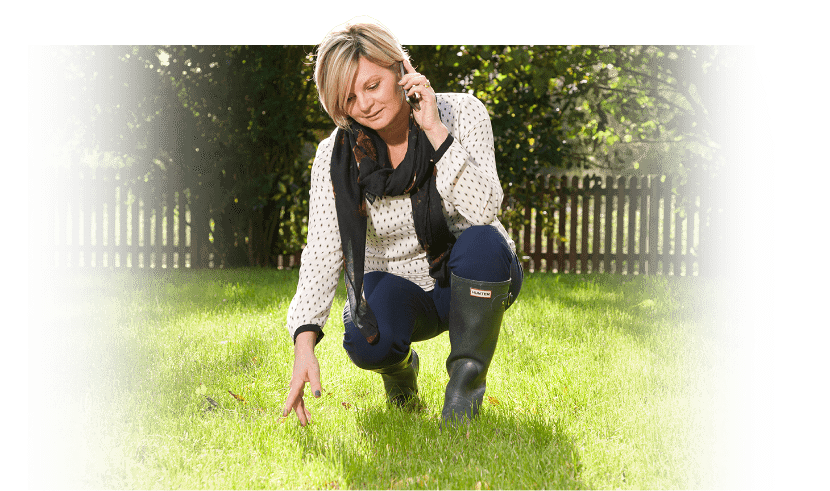
    Lady assesses lawn
    Request a Call back

    Enter your details below to request a call back from us.