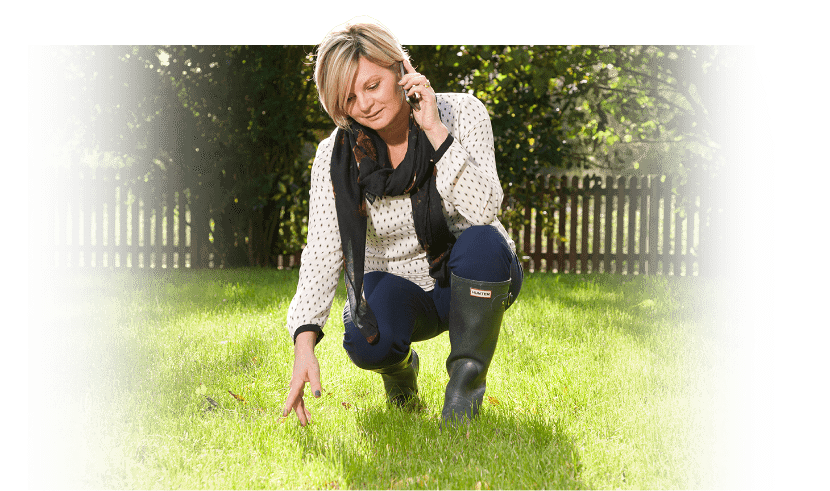
Dog Urine Lawn Patches: Best Treatment for 2026

Dog urine burns grass because it's a concentrated shot of nitrogen and salts landing on one small patch, not because your dog is doing anything wrong. Get the treatment sequence right and most lawns recover within a season.

TL;DR
  • Flush urine spots with water within hours to dilute nitrogen before it scorches the grass.
  • Skip high-nitrogen lawn feed on dog urine lawn patches in 2026 – it doubles down on the burn.
  • Gypsum at soil-conditioner rates helps neutralise salts faster than watering alone.
  • Reseeding works only once soil temperature holds above 8°C, typically spring or early autumn.
  • A professional lawn treatment plan from Lawnscience fixes recurring patches and the soil behind them.

Why this matters

A squatting dog can soak one spot with enough urine to push localised nitrogen levels well past what grass roots can use, and the excess salt draws moisture out of the blades. You get the classic ring: a dark green, lush halo where diluted nitrogen fed the grass, with a dead or yellow-brown centre where it didn't. Treat the two zones differently or you'll fix half the problem.

Homeowners often reach for a bag of general lawn feed first, which is the worst instinct here. A professional lawn treatment approach separates dilution, soil correction and reseeding into stages instead of throwing more nitrogen at a nitrogen problem.

Who this is for

This is for anyone with a dog and a lawn that shows repeated brown or straw-coloured patches near fence lines, favourite toileting spots, or wherever the dog runs after being let out. It applies whether you've got one dog making a handful of spots a month or three dogs turning half the back lawn into a patchwork by mid-2026.

What to look for in lawn treatment for dog urine patches

Nitrogen dilution, not disguise

A treatment that just greens up the dead centre with dye or a quick feed hides the damage without fixing the salt concentration underneath. Look for products or routines that actually flush the root zone, not ones that paint over it.

Reseeding matched to your grass

Patch repair only holds if the seed mix matches what's already growing around it, otherwise you end up with mismatched clumps of a different shade and texture. Ryegrass blends establish fastest for patch work, usually within 7 to 14 days of germination in warm soil.

Soil correction, not just surface fix

Repeated urine spots raise soil salinity and can shift pH slightly, which stalls new grass even after you reseed. Gypsum or a soil conditioner breaks up that salt build-up so water and nutrients move through properly again.

Timing around soil temperature

Seed sown into cold soil sits dormant and rots before it germinates. Wait until soil temperature is consistently above 8°C, which in most of the UK means April through May or September into early October.

Checking for thatch hiding underneath

A thick thatch layer stops water and treatment reaching the roots, so a lawn with a thatch problem will show urine damage that looks worse and heals slower than it should. Scarifying first, then treating the patches, gets better results than treating over thatch.

Pet-safe curing windows

Whatever you apply needs a stated time before pets go back on the lawn, and skipping that window undoes the treatment and risks irritation for the dog. Most granular feeds and gypsum need the lawn watered in and left for 24 to 48 hours before normal use resumes.

Top picks for dog urine lawn patches

Same-day water flush – the free first move. Pour roughly 2 litres of water over a fresh urine spot within a few hours of noticing it, before the salts set into the soil. This alone prevents a large share of patches from ever scarring. Buy – do this every time, no cost, no downside.

Gypsum or soil conditioner – the salt-neutraliser. Applied at typical conditioner rates (check the bag, most sit around 100-150g per square metre), gypsum displaces sodium in the soil without adding more nitrogen. It won't regrow grass on its own but it makes reseeding stick. Consider for lawns with more than five or six recurring spots.

High-phosphorus starter feed with reseeding – the actual repair. Rake out dead grass, apply a starter feed low in nitrogen but higher in phosphorus, then oversee with a matched seed once soil sits above 8°C. Expect visible green shoots in 7 to 14 days and a filled-in patch by week six. Buy once you're past the flush-and-neutralise stage.

General high-nitrogen lawn feed – the tempting mistake. It's the product most people already own, so it's the first thing reached for, and it's precisely wrong for a nitrogen-burn problem. Skip it on active patches; save it for the rest of the lawn.

A Lawnscience treatment and reseed plan – the low-effort fix. A tailored programme handles dilution timing, soil correction and reseeding in the right sequence without you tracking soil temperature or feed ratios yourself. Buy if patches keep coming back season after season despite DIY effort.

Get patches treated properly

Book a lawn treatment plan built around your soil and your dog’s habits.

What to avoid

  • Piling on more lawn feed. It looks like the obvious fix and it's the fastest way to turn a small burn into a bigger dead ring.
  • Assuming every brown patch is urine damage. Fungal disease produces similar rings; fusarium patch disease in particular can be mistaken for urine scorch, especially going into a wet autumn.
  • Reseeding straight into cold or waterlogged soil. Seed sown before soil temperature clears 8°C rots more often than it germinates, wasting the seed and the effort.

Verdict comparison

Approach Cost/effort Speed to fix Verdict
Water flush Free, minutes Prevents damage same day Buy
Gypsum/soil conditioner Low, one application 1-2 weeks to see soil recover Consider
Starter feed + reseed Moderate, ongoing watering 6 weeks to fill in Buy
High-nitrogen general feed Low cost, wrong tool Makes patches worse Skip
Lawnscience treatment plan Paid service Full season recovery, fewer repeat patches Buy

FAQ

What’s the best lawn treatment for dog urine patches in 2026?

Flush the spot with water within hours, correct the soil with gypsum, then reseed with a starter feed once soil temperature is above 8°C. A professional lawn treatment plan does all three stages in the right order if patches keep recurring.

Is dog urine actually bad for lawns?

Yes, concentrated nitrogen and salt in urine scorch the root zone at the centre of the spot while the diluted edges get an extra feed. That’s why urine patches show a dead centre inside a dark green ring.

How long do dog urine patches take to recover?

A flushed spot with no dead grass can bounce back within a week or two. A fully repaired patch with reseeding typically fills in within 6 to 8 weeks once soil temperature supports germination.

Can grass seed alone fix urine patches?

Seed alone rarely holds if the underlying soil salinity hasn’t been corrected first. Treat the soil with a conditioner before or alongside reseeding for the seed to actually establish.

Do dog rocks or urine-neutralising supplements stop lawn burn?

There’s no consistent evidence they meaningfully change urine composition enough to prevent lawn burn. Watering the spot after your dog goes is a more reliable habit than relying on a supplement.

Should I use lime or gypsum on urine spots?

Gypsum is the better choice because it displaces salt without shifting soil pH much, while lime raises pH and can compound problems on lawns that are already slightly alkaline. Test your soil if you’re unsure which you’ve got.

Is professional lawn treatment worth it for pet damage?

It’s worth it if patches keep reappearing despite flushing and reseeding, since a treatment plan corrects the soil chemistry behind the recurring damage, not just the visible grass. One-off patches usually respond fine to DIY care.

How do I tell urine patches from lawn disease?

Urine patches cluster near fence lines, gates and favourite dog spots and show a distinct green ring with a dead centre. Disease patches like fusarium or lawn rust spread more randomly across the lawn and often appear in cool, damp weather regardless of dog activity.

One last thing

Female dogs and dogs that squat cause worse patches than males that mark, because squatting delivers the full volume of urine to one concentrated spot instead of splashing across several. If you've got a female dog and recurring damage in the same two or three places, training her to a gravel or mulch toilet area solves more of the problem than any product you'll put on the grass.

Related guides

Checkout our latest FREE Guides

Dog urine lawn patches fixed in 2026: flush, correct soil, reseed. See what to buy, what to skip, and when professional lawn treatment pays off.
Mole damage lawn repair compared: DIY reseeding, turf patching and professional aeration ranked with verdicts for UK lawns in 2026.
Moss treatment lawn guide for shaded gardens in 2026 — which products work, what to avoid, and why scarification beats moss killer alone under trees.
Moss control for a waterlogged lawn needs drainage fixes, not just spray. See what works in 2026, what to avoid, and when to bring in Lawnscience.
Lawn leatherjackets damage roots and attract birds. Learn the 2026 treatment window, nematode application steps, and how to stop them coming back.
Snow mould lawn treatment made simple: rake, aerate, feed and overseed step by step so your lawn recovers fully before spring 2026 growth kicks in.
Lawn rust disease treatment for home gardens: diagnose it, fix it with feeding and mowing in 4-6 weeks, know when fungicide or a pro plan helps in 2026.

Checkout our latest FREE Guides

Dog urine lawn patches fixed in 2026: flush, correct soil, reseed. See what to buy, what to skip, and when professional lawn treatment pays off.
Mole damage lawn repair compared: DIY reseeding, turf patching and professional aeration ranked with verdicts for UK lawns in 2026.
Moss treatment lawn guide for shaded gardens in 2026 — which products work, what to avoid, and why scarification beats moss killer alone under trees.
Moss control for a waterlogged lawn needs drainage fixes, not just spray. See what works in 2026, what to avoid, and when to bring in Lawnscience.
Lawn leatherjackets damage roots and attract birds. Learn the 2026 treatment window, nematode application steps, and how to stop them coming back.
Snow mould lawn treatment made simple: rake, aerate, feed and overseed step by step so your lawn recovers fully before spring 2026 growth kicks in.
Lawn rust disease treatment for home gardens: diagnose it, fix it with feeding and mowing in 4-6 weeks, know when fungicide or a pro plan helps in 2026.
Request a Call back

Enter your details below to request a call back from us.

    Owning and running my Lawnscience Franchise is the best career move that I have ever made, and I wish I had done it 10 years ago! Nigel Bishop
    These are the questions that our customers ask most frequently.
    What our clients say...
    Felt sure the only remedy for our new house builder's lawn was to rip it up and start again! Lawnscience showed us other potential less drastic options and has made them a reality. Glad we consulted Lawnscience then, and very happy to continue to use…
    Mr Kenward
    What our clients say...
    Really friendly and knowledgeable team. My lawn was full of moss and weeds. Now It looks like a lawn should do. Green, lush and healthy.
    Trevor Dealey
    What our clients say...
    Lawnscience are always prompt and helped me keep on top of treatments for a newly laid lawn. Certainly takes the hassle away of burning grass etc when trying to add treatments yourself. Very good value for money. Nice guy.
    Mr Hamilton
    What our clients say...
    1st class service. Very knowledgeable on lawn care and how to improve our garden. Provided a course of action and a timetable to work to keep expectations high. Grass scarified and reseeded with great results
    Mr Murray
    What our clients say...
    Lawnscience provide a service of feeding the grass and killing the weeds and moss that are in all lawns. The treatment varies depending on the time of year. By using Lawnscience a minimum of four times a year our lawns have shown a vast improvement.
    Mr Knight
    Lady assesses lawn
    Request a Call back

    Enter your details below to request a call back from us.