Mowing Tips

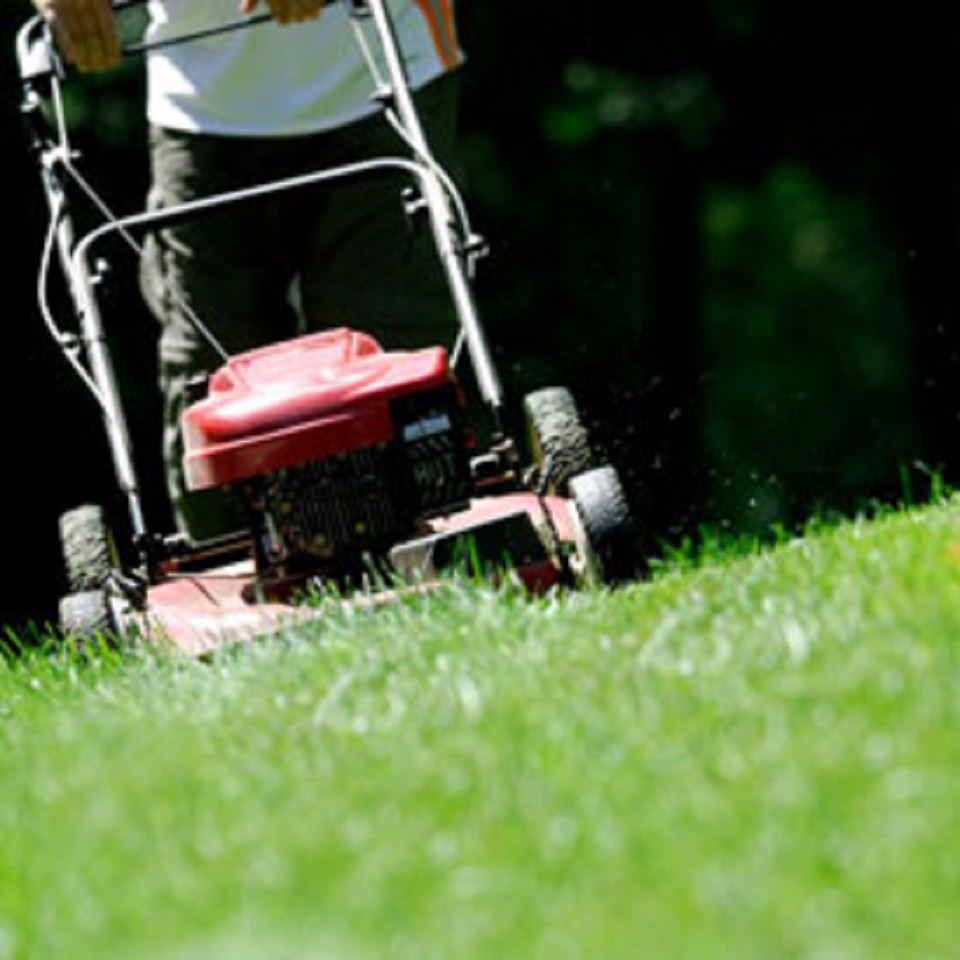
hover mover

In order to maintain a quality healthy lawn it is essential to mow correctly and on a regular basis.

The first thing to remember is that it is the blade of the lawnmower that does the work. It is advisable to have the blade sharpened at least every year and if possible twice per year. Mowing with a dull blade will “rip” the grass and this will cause the tips of the grass to bruise and turn brown, giving the lawn a brownish tinge.

The mowing season normally starts in March. It is important not to cut too much off the grass at this time. Try to remove no more than one quarter to one third of the grass length initially, otherwise the grass will become stressed. A little and often approach is better during the early months of the year. In Spring you should be mowing to a height of at least one and a half inches on normal domestic lawns.

As we move into Summer and the temperatures increase the growth of your lawn will slow down. Mow as needed but again be careful not to remove more than one third of the grass leaf at any time. If temperatures become very high it may be necessary to reduce the frequency of mowing. During the Summer months you should be mowing to a height of two inches on normal domestic lawns.

During Autumn the growth rate will increase. Towards the end of Autumn mow to a cutting height to at least one and a half inches.  Mowing can continue into the Winter months as needed. If mowing is required try to ensure that it is done when the grass is dry.

Throughout the year try to resist the temptation to cut the lawn too short, it is sometimes tempting to cut a domestic lawn as short as those seen on golf courses but resist this temptation at all costs. The grasses used on golf greens are specialist cultivars that can thrive whilst cut short. Cutting a domestic lawn too short provides an ideal environment for lawn weeds and can lead to the development of lawn moss.

Finally, avoid mowing when your grass is wet, this will tend to rip the grass as opposed to cutting it.

Need a little more help? Click the link below to contact us

The RHS is the world's leading gardening charity.

Lawnscience supports the RHS by annual charitable donations

Checkout our latest FREE Guides

Brown patches in lawn in 2026? Identify Fusarium patch, dollar spot or rust, treat the right disease first, and stop patches spreading back season after season.
Lawn fertilisation for shaded gardens explained: low-nitrogen feeds win in 2026, high-nitrogen spring feeds are a Skip under tree canopy. See what to use.
Lawn fertilisation for sandy soil in 2026: slow-release granular feeds win, single annual feeds fail. See what to use, avoid, and when to feed.
Lawn disease treatment for humid gardens in 2026: which fixes work for fusarium, dollar spot and rust, what to avoid, and the buy/skip verdict for each.
Clover taking over your lawn? See what actually clears clover control lawn problems in 2026, what to avoid, and which treatment route fits your garden.
Overgrown, mossy or patchy lawn in 2026? Get the right order — scarify, aerate, overseed — and see what to skip. Lawnscience's renovation guide.
Ranked lawn treatments for family gardens with kids and pets in 2026 - weed control, aeration, dog patch fixes, and clear buy verdicts for each.

Checkout our latest FREE Guides

Brown patches in lawn in 2026? Identify Fusarium patch, dollar spot or rust, treat the right disease first, and stop patches spreading back season after season.
Lawn fertilisation for shaded gardens explained: low-nitrogen feeds win in 2026, high-nitrogen spring feeds are a Skip under tree canopy. See what to use.
Lawn fertilisation for sandy soil in 2026: slow-release granular feeds win, single annual feeds fail. See what to use, avoid, and when to feed.
Lawn disease treatment for humid gardens in 2026: which fixes work for fusarium, dollar spot and rust, what to avoid, and the buy/skip verdict for each.
Clover taking over your lawn? See what actually clears clover control lawn problems in 2026, what to avoid, and which treatment route fits your garden.
Overgrown, mossy or patchy lawn in 2026? Get the right order — scarify, aerate, overseed — and see what to skip. Lawnscience's renovation guide.
Ranked lawn treatments for family gardens with kids and pets in 2026 - weed control, aeration, dog patch fixes, and clear buy verdicts for each.
Request a Call back

Enter your details below to request a call back from us.

    Owning and running my Lawnscience Franchise is the best career move that I have ever made, and I wish I had done it 10 years ago! Nigel Bishop
    These are the questions that our customers ask most frequently.
    What our clients say...
    Felt sure the only remedy for our new house builder's lawn was to rip it up and start again! Lawnscience showed us other potential less drastic options and has made them a reality. Glad we consulted Lawnscience then, and very happy to continue to use…
    Mr Kenward
    What our clients say...
    Really friendly and knowledgeable team. My lawn was full of moss and weeds. Now It looks like a lawn should do. Green, lush and healthy.
    Trevor Dealey
    What our clients say...
    Lawnscience are always prompt and helped me keep on top of treatments for a newly laid lawn. Certainly takes the hassle away of burning grass etc when trying to add treatments yourself. Very good value for money. Nice guy.
    Mr Hamilton
    What our clients say...
    1st class service. Very knowledgeable on lawn care and how to improve our garden. Provided a course of action and a timetable to work to keep expectations high. Grass scarified and reseeded with great results
    Mr Murray
    What our clients say...
    Lawnscience provide a service of feeding the grass and killing the weeds and moss that are in all lawns. The treatment varies depending on the time of year. By using Lawnscience a minimum of four times a year our lawns have shown a vast improvement.
    Mr Knight
    Lady assesses lawn
    Request a Call back

    Enter your details below to request a call back from us.