Best Lawn Treatment for Show Lawns in 2026: Full Plan

A show lawn treatment plan needs more precision than a normal lawn care schedule — soil chemistry, mowing height and timing all get judged, not just guessed at, and getting the sequence wrong two weeks before judging day can undo months of work.

TL;DR
  • The best lawn treatment for show lawns starts with a soil pH test, not a feed — target pH 5.5-6.5.
  • Scarify and aerate 8-10 weeks before judging day in 2026, then overseed to close every gap. Buy this stage.
  • Skip high-nitrogen quick-green feeds in the final two weeks — they cause soft, disease-prone growth.
  • Mow to 8-10mm and hold that height daily in the run-up to competition for the tightest sward.
  • Treat weeds and moss early in the season, never inside the final fortnight before a show.
Show lawn benchmarks for 2026
5.5-6.5
Ideal soil pH for fine turf
8-10mm
Target mowing height
held daily pre-show
8-10 weeks
Lead time before judging day

Why this matters

Judges scoring a competition or open-garden lawn look at density, colour uniformity and cut quality — not how green it looked back in June. A show lawn treatment plan built around soil chemistry and correct timing beats a lawn fed hard the week before judging, every time in 2026.

Most lawns that lose marks haven't been neglected — they've been rushed. A late scarification leaves visible scarring. A last-minute high-nitrogen feed produces soft, floppy growth that scalps unevenly under the mower. The fixes below follow a soil-to-surface order because that's the sequence judges actually see reflected in the sward.

How this plan was ranked

Each stage below is ranked by where it sits in the soil-to-surface sequence a fine lawn needs to reach show condition: correct the ground first, repair structure second, thicken the surface third, then hold that surface with disciplined maintenance. This mirrors how UK show and open-garden schedules typically fall across spring and summer, with the final maintenance stages running closest to judging day. Stages further down the list are lower-risk to skip or delay; stages at the top are non-negotiable if the lawn is currently uneven, patchy or thin.

The show lawn treatment plan, ranked

1. Soil pH test and correction — the foundation everyone skips

Fine turf grasses thin out and lose colour fast outside a pH 5.5-6.5 window, and no amount of feeding fixes that while the soil chemistry is wrong. Testing your lawn's soil pH before treatment tells you whether you're correcting a feed problem or a chemistry problem, and it takes one visit to sort out. Skip this step and every later stage under-performs. Verdict: Buy.

2. Scarification to strip thatch — the thinning that thickens

A show lawn carrying more than 12-15mm of thatch chokes new growth and holds moisture that invites disease right when you need clean colour. Scarification opens the surface so overseeding actually takes, and it's brutal-looking for a fortnight before it pays off. Verdict: Buy, timed 8-10 weeks before judging day, never closer.

3. Aeration for oxygen and drainage — the step growers skip

Compacted soil under a show lawn stunts root depth, and shallow roots show up as patchy colour under bright judging light. Knowing when to aerate your lawn matters as much as doing it — too close to a show and the surface looks pockmarked instead of tight. Verdict: Buy, done straight after scarification while the soil profile is already open.

4. Overseeding with fine-leaved grass — fill every gap

A competition-grade sward needs density a mature lawn can't build on its own after scarification opens bare patches. Overseeding with fine fescue or bent blends closes those gaps within 3-4 weeks under decent spring or summer conditions in 2026. Verdict: Buy, applied within days of scarification while seed-to-soil contact is best.

5. Precision low-nitrogen feeding — feed little, feed often

A single heavy feed produces a flush of soft growth that scalps badly and browns fast under stress. A show lawn programme uses smaller, more frequent low-nitrogen applications through the growing season instead, holding colour without pushing leaf growth too hard. Verdict: Hold — this runs continuously, not as a one-off treatment before the show.

6. Close, disciplined mowing — the daily habit that wins marks

Holding a lawn at 8-10mm consistently produces the tight, uniform sward judges reward, but jumping straight to that height from a normal 25-30mm cut in one pass will scalp the grass and ruin colour for weeks. Drop the height gradually over 3-4 weeks, never more than a third of leaf blade per cut. Verdict: Hold through the final month before any show.

7. Weed and moss spot control — early, not urgent

Selective weed killers and moss treatments both need 10-14 days to work through fully, and a treated area often looks worse before it looks better as dead material blackens and needs raking out. Treating weeds or moss inside the final two weeks before a show is the single most common mistake seen in competition lawns. Verdict: Skip any treatment inside the final fortnight — get it done early in the season instead.

Comparison table

Stage Best timing before judging Priority Verdict
Soil pH test and correction 10-12 weeks Foundation Buy
Scarification 8-10 weeks Structural Buy
Aeration 8-10 weeks Structural Buy
Overseeding 6-8 weeks Surface density Buy
Low-nitrogen feeding Ongoing Maintenance Hold
Close mowing regime Final 4 weeks Maintenance Hold
Weed/moss spot treatment Early season only Situational Skip if under 2 weeks out

Where to get this done

  • Book a professional soil test and full programme 10-12 weeks before your show or open-garden date — not two weeks before, when there's no time left to fix a pH problem.
  • If your lawn is heavy clay, thatch-prone, or hasn't been scarified in over a year, combine scarification and aeration in the same visit window so the soil profile only gets disturbed once.
  • Keep the last feed inside 5-7 days of judging light and low-nitrogen — a last-minute "green-up" topper is the fastest way to soften growth right before it needs to hold its shape.

Get a show lawn treatment plan

A programme timed to your show date, not a generic seasonal schedule.

FAQ

What’s the best lawn treatment for a show lawn?

The best lawn treatment for show lawns in 2026 starts with a soil pH test and correction, followed by scarification, aeration and overseeding done 6-10 weeks before judging. Skipping the soil chemistry stage undermines everything that follows.

How long before a show should you start treatment?

Start structural work like scarification and aeration 8-10 weeks before judging day. Overseeding needs 6-8 weeks to establish, and the final mowing height reduction should start no later than 4 weeks out.

Is scarification necessary for a show lawn?

Yes, if thatch exceeds roughly 12-15mm, scarification is necessary to let overseeding take and to stop moisture pooling under the surface. Skip it and colour and density both suffer under judging light.

How short should you cut a show lawn?

Competition lawns are typically held at 8-10mm in the weeks before judging. Drop to that height gradually over 3-4 weeks, taking no more than a third of the leaf blade off per cut to avoid scalping.

What pH should soil be for a show lawn?

Fine turf grasses perform best between pH 5.5 and 6.5. Outside that range, feeding programmes under-perform regardless of how much nitrogen or potassium goes down.

Can you overseed close to a show date?

Overseeding needs 3-4 weeks minimum to establish and thicken a sward, so it should be finished at least 6 weeks before judging. Overseeding inside that window leaves visibly thin, uneven new growth.

How often should you feed a show lawn?

Show lawns respond better to smaller, more frequent low-nitrogen feeds through the growing season than to one heavy application. A single heavy feed close to a show produces soft growth that scalps and browns under stress.

Should you treat weeds or moss right before a show?

No — weed and moss treatments take 10-14 days to work through and often look worse before they look better as dead material blackens. Treat early in the season and avoid any new treatment inside the final two weeks.

One last thing

Most show lawn losses in 2026 won't come from a missed feed — they'll come from a weed or moss treatment applied inside the final two weeks, because that dead, blackened material takes 10-14 days to shed and shows up as stubble right under the judges' feet. Get the spot treatments done early and let the mowing and feeding discipline do the work in the final month.

Related guides

Checkout our latest FREE Guides

Lawn treatment cost UK 2026 depends on size, condition and visit count, not a flat rate. See what actually drives price before you request a quote.
The best lawn treatment for show lawns in 2026 starts with a soil pH test, not a quick feed. See the ranked plan, timing, and what to skip before judging day.
The best lawn treatment for new build estates fixes compaction and soil pH before feed. See the 2026 checklist, verdicts, and what to avoid.
The best lawn treatment for golf-style lawns ranked for 2026: scarification, aeration, overseeding and feed sequenced right, with verdicts on each step.
The best lawn treatment for allotments in 2026: organic-first weed control, moss fixes and aeration ranked for shared, high-traffic community garden sites.
Artificial to natural lawn conversion guide for 2026: subbase prep, soil testing, turf vs seed picks, and what to skip for a lawn that actually survives.
Lawn treatment for wedding gardens ranked by timeline: what to book at 12 weeks, 6 weeks and 2 weeks out. Buy, Consider or Skip picks for 2026 events.

Checkout our latest FREE Guides

Lawn treatment cost UK 2026 depends on size, condition and visit count, not a flat rate. See what actually drives price before you request a quote.
The best lawn treatment for show lawns in 2026 starts with a soil pH test, not a quick feed. See the ranked plan, timing, and what to skip before judging day.
The best lawn treatment for new build estates fixes compaction and soil pH before feed. See the 2026 checklist, verdicts, and what to avoid.
The best lawn treatment for golf-style lawns ranked for 2026: scarification, aeration, overseeding and feed sequenced right, with verdicts on each step.
The best lawn treatment for allotments in 2026: organic-first weed control, moss fixes and aeration ranked for shared, high-traffic community garden sites.
Artificial to natural lawn conversion guide for 2026: subbase prep, soil testing, turf vs seed picks, and what to skip for a lawn that actually survives.
Lawn treatment for wedding gardens ranked by timeline: what to book at 12 weeks, 6 weeks and 2 weeks out. Buy, Consider or Skip picks for 2026 events.
Request a Call back

Enter your details below to request a call back from us.

    Owning and running my Lawnscience Franchise is the best career move that I have ever made, and I wish I had done it 10 years ago! Nigel Bishop
    These are the questions that our customers ask most frequently.
    What our clients say...
    Felt sure the only remedy for our new house builder's lawn was to rip it up and start again! Lawnscience showed us other potential less drastic options and has made them a reality. Glad we consulted Lawnscience then, and very happy to continue to use…
    Mr Kenward
    What our clients say...
    Really friendly and knowledgeable team. My lawn was full of moss and weeds. Now It looks like a lawn should do. Green, lush and healthy.
    Trevor Dealey
    What our clients say...
    Lawnscience are always prompt and helped me keep on top of treatments for a newly laid lawn. Certainly takes the hassle away of burning grass etc when trying to add treatments yourself. Very good value for money. Nice guy.
    Mr Hamilton
    What our clients say...
    1st class service. Very knowledgeable on lawn care and how to improve our garden. Provided a course of action and a timetable to work to keep expectations high. Grass scarified and reseeded with great results
    Mr Murray
    What our clients say...
    Lawnscience provide a service of feeding the grass and killing the weeds and moss that are in all lawns. The treatment varies depending on the time of year. By using Lawnscience a minimum of four times a year our lawns have shown a vast improvement.
    Mr Knight
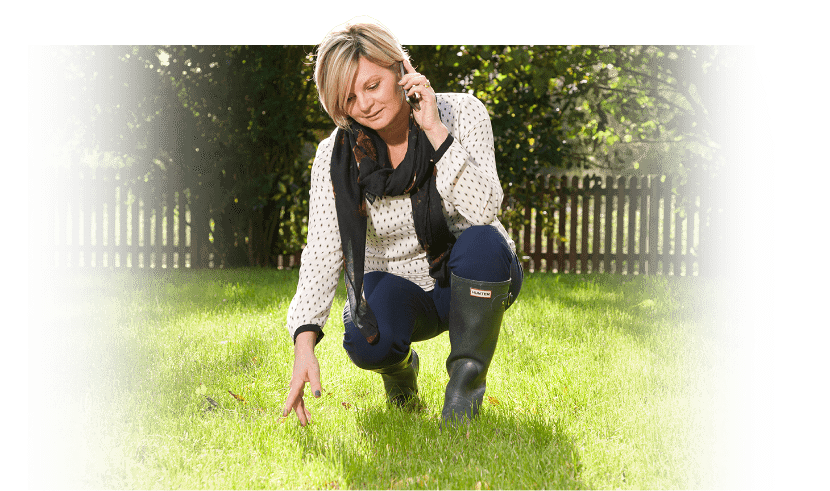
    Lady assesses lawn
    Request a Call back

    Enter your details below to request a call back from us.