Lawn Scalping Fix 2026: Recovery Times & Steps

Scalped grass — the yellow-brown, stubbly patches left when a mower drops below the crown — recovers within 7-10 days if you raise the cutting height back up straight away and leave the lawn alone; severe scalping that's cut into bare soil takes 3-6 weeks and often needs overseeding. The hidden cost most people miss: cutting the crown (the growing point just above soil level) doesn't just brown the grass, it can kill the plant outright, which is why some scalped patches never bounce back on their own.

TL;DR
  • A lawn scalping fix starts with raising the mower blade — never remove more than a third of the leaf in one cut.
  • Light scalping greens up in 7-10 days with correct height and a light feed; severe scalping takes 3-6 weeks.
  • Cutting below 25mm exposes the crown, which can kill the grass plant rather than just bruise it.
  • Don’t mow again until new growth is visible — cutting stressed grass twice makes recovery slower.
  • Bare patches from severe scalping usually need overseeding, not just time.
Scalping recovery at a glance
7-10 days
Light scalping recovery
3-6 weeks
Severe scalping recovery
1/3 of blade
Max safe cut per mow
25-50mm
Typical UK lawn height

Why this matters

Scalping is one of the most common self-inflicted problems Lawnscience sees on UK lawns during 2026, usually after someone drops the mower deck down to "tidy things up" before a barbecue or after weeks of no-mow neglect. The grass looks fixed for about a day, then goes patchy, pale, and thin exactly where the wheels ran lowest.

Get the mowing height right and most lawns shrug off an occasional close cut. Get it wrong repeatedly through a 2026 growing season and you're looking at thin turf, moss creeping in, and weeds filling the gaps grass should have covered.

How do you fix lawn scalping from mowing too short?

The fix is mechanical, not chemical — you're managing recovery, not treating a disease. Work through these steps in order:

  1. Raise the mower deck immediately. Set it to the highest sensible setting for your grass type — most UK cool-season lawns sit happiest at 25-50mm.
  2. Stop mowing until new growth appears. This is usually 5-7 days. Mowing scalped grass again before it recovers cuts into stressed tissue and slows everything down.
  3. Water lightly, not heavily. A stressed lawn needs light, regular moisture to support new leaf growth — waterlogging on top of scalping stress does more harm than good.
  4. Hold off on fertiliser for a week. Feeding scorched, stressed grass right away risks fertiliser burn on tissue that's already damaged. A light feed once new growth shows is safer than a strong one straight away.
  5. Check for bare soil. If the mower cut through the crown entirely, that patch won't recover on its own — it needs seed.

A lawn scalping fix that skips step 2 is the most common mistake: people see brown grass, panic, and mow it again to "clean it up," which only extends the recovery window.

Light scalping: recovery in 7-10 days

Light scalping means the leaf blade was cut short but the crown is intact — the grass looks pale or yellow-brown but the base is still green. Raise the mower height, water lightly, skip the next one or two scheduled mows, and most lawns recolour within 7-10 days. No reseeding needed here; the plant is simply regrowing leaf tissue.

Severe scalping: recovery in 3-6 weeks

Severe scalping is when the mower has cut into or below the crown, leaving visible soil, bare tufts, or brown-to-tan patches that don't green up after a week. This level of damage takes 3-6 weeks to recover fully, and bare patches usually need overseeding rather than time alone — grass doesn't spread sideways fast enough to fill a scalped strip before weeds or moss move in.

Scalping type What it looks like Recovery time Action needed
Light Pale/yellow leaf, green crown 7-10 days Raise height, water, wait
Severe Bare soil, brown/tan patches 3-6 weeks Overseed bare patches

If you're staring at bare strips after a scalping incident, overseeding a thin or patchy lawn is the next step — new grass needs to establish before the gap fills with something you didn't plant.

Why lawn scalping happens

Scalping is almost always about the mower, not the grass. The usual drivers:

  • Uneven ground. Dips, ridges, and old tyre tracks put the deck lower than intended in specific spots even when the height setting looks correct.
  • Mowing overgrown grass in one pass. Cutting a lawn that's grown long back down to normal height in a single mow removes far more than a third of the blade, which is the threshold that causes stress.
  • Wrong deck height for the grass type. Fine fescue and bent grasses tolerate a lower cut than ryegrass-dominant lawns; using one setting for every lawn is a common mistake.
  • Worn or unlevel mower wheels. A mower that leans slightly cuts one side lower than the other, scalping in a consistent stripe pattern.
  • Mowing wet or soft ground. Wheels sink slightly into soft turf, dropping the effective cutting height below what the setting shows.
  • Chasing a "tidy" look before an event. Dropping the deck for one short-notice cut before guests arrive is one of the most frequent causes Lawnscience hears about.

Get your lawn assessed properly

A Lawnscience visit checks height, thatch and soil before recommending treatment.

How short is too short when mowing a lawn?

Cutting more than a third of the grass blade in a single mow is too short for most UK lawn types, and dropping below roughly 25mm risks exposing the crown on many cool-season grasses. If you can see soil or brown stubble immediately after mowing, the deck was set too low for that visit.

Do you need to reseed after scalping?

Reseeding is only needed when scalping has cut through the crown and left bare or thinning patches that don't green up within 7-10 days. Light scalping that keeps the crown intact recovers through regrowth alone, without any seed.

Will scalping bring back weeds or moss?

Scalped patches that stay bare for more than a few weeks are an open invitation for weeds and moss, both of which establish fastest on exposed soil rather than dense turf. Getting grass cover back quickly — through correct mowing height and overseeding where needed — is the best defence against a scalped strip turning into a weed patch by late summer.

FAQ

What is lawn scalping and what causes it?

Lawn scalping is cutting the grass so short that the mower blade damages or exposes the crown, usually from mowing overgrown grass in one pass or an uneven mower deck height. It leaves pale, yellow, or bare patches instead of an even green cut.

How long does it take for scalped grass to recover?

Light scalping recovers in 7-10 days once the mower height is raised and the lawn is left alone. Severe scalping, where the crown is damaged and soil is visible, takes 3-6 weeks and often needs overseeding.

Should you water a scalped lawn?

Yes, water a scalped lawn lightly and regularly rather than heavily, since the grass is stressed and needs consistent moisture to regrow leaf tissue. Overwatering on top of scalping stress can encourage disease rather than help recovery.

Can you fertilise a lawn right after scalping?

Hold off on fertiliser for about a week after scalping, since feeding stressed, damaged grass risks fertiliser burn on tissue that’s already weakened. A light feed once new growth appears is safer than a strong application straight away.

How short is too short to mow a lawn?

Removing more than a third of the grass blade in one cut is too short for most UK lawns, and dropping the deck below roughly 25mm risks cutting into the crown. If soil or brown stubble is visible right after mowing, the cut was too low.

Will scalped grass grow back or do you need to reseed?

Grass with an intact crown grows back on its own within 7-10 days, no reseeding required. Grass with a damaged or exposed crown leaves bare patches that need overseeding to fill in properly.

Is scalping the same as lawn disease damage?

No, scalping is mechanical damage from cutting too low, while disease damage comes from fungal pathogens and often shows as rings, patches with defined edges, or a different colour pattern. Scalping follows the pattern of the mower’s wheel tracks, which disease rarely does.

How do you stop scalping happening again?

Set the mower to the correct height for your grass type, mow regularly enough that you’re never removing more than a third of the blade in one pass, and check the deck sits level on your ground. Consistent mowing height through the 2026 season prevents most repeat scalping.

One last thing

The detail most people get wrong isn't the mower height — it's the timing of the next cut. Mowing scalped grass again "to tidy it up" before new growth has come through is the single most common way a 7-10 day recovery turns into a 3-6 week one, because you're cutting stressed tissue a second time before it's had a chance to recover from the first.

Related guides

Checkout our latest FREE Guides

Chickweed lawn control in 2026: a selective herbicide plus thicker turf clears it fastest. See what causes it to return and when to get professional help.
How to get lawn stripes in 2026: use a rear-roller mower, overlap passes, and alternate direction. Straight, diagonal and checkerboard patterns explained.
Lawn scalping fix for 2026: raise the mower height and recover in 7-10 days (light) or 3-6 weeks (severe). Steps, causes and when to overseed.
Annual meadow grass control in 2026 needs aeration, mowing height changes and overseeding, not a single spray. See what works and what to skip.
Lawn treatment for car dealerships in 2026: fix compaction, oil stains and weed patches with a scheduled programme built around forecourt traffic.
Best moss killer safe for pets in 2026: iron sulphate lawn sand wins for DIY use, compared against liquid iron, 3-in-1 granules and professional treatment.
Lawn care for veterinary practices in 2026 needs pet-safe treatments and reentry scheduling. See what works for clinic grounds, dog runs and entrance strips.

Checkout our latest FREE Guides

Chickweed lawn control in 2026: a selective herbicide plus thicker turf clears it fastest. See what causes it to return and when to get professional help.
How to get lawn stripes in 2026: use a rear-roller mower, overlap passes, and alternate direction. Straight, diagonal and checkerboard patterns explained.
Lawn scalping fix for 2026: raise the mower height and recover in 7-10 days (light) or 3-6 weeks (severe). Steps, causes and when to overseed.
Annual meadow grass control in 2026 needs aeration, mowing height changes and overseeding, not a single spray. See what works and what to skip.
Lawn treatment for car dealerships in 2026: fix compaction, oil stains and weed patches with a scheduled programme built around forecourt traffic.
Best moss killer safe for pets in 2026: iron sulphate lawn sand wins for DIY use, compared against liquid iron, 3-in-1 granules and professional treatment.
Lawn care for veterinary practices in 2026 needs pet-safe treatments and reentry scheduling. See what works for clinic grounds, dog runs and entrance strips.
Request a Call back

Enter your details below to request a call back from us.

    Owning and running my Lawnscience Franchise is the best career move that I have ever made, and I wish I had done it 10 years ago! Nigel Bishop
    These are the questions that our customers ask most frequently.
    What our clients say...
    Felt sure the only remedy for our new house builder's lawn was to rip it up and start again! Lawnscience showed us other potential less drastic options and has made them a reality. Glad we consulted Lawnscience then, and very happy to continue to use…
    Mr Kenward
    What our clients say...
    Really friendly and knowledgeable team. My lawn was full of moss and weeds. Now It looks like a lawn should do. Green, lush and healthy.
    Trevor Dealey
    What our clients say...
    Lawnscience are always prompt and helped me keep on top of treatments for a newly laid lawn. Certainly takes the hassle away of burning grass etc when trying to add treatments yourself. Very good value for money. Nice guy.
    Mr Hamilton
    What our clients say...
    1st class service. Very knowledgeable on lawn care and how to improve our garden. Provided a course of action and a timetable to work to keep expectations high. Grass scarified and reseeded with great results
    Mr Murray
    What our clients say...
    Lawnscience provide a service of feeding the grass and killing the weeds and moss that are in all lawns. The treatment varies depending on the time of year. By using Lawnscience a minimum of four times a year our lawns have shown a vast improvement.
    Mr Knight
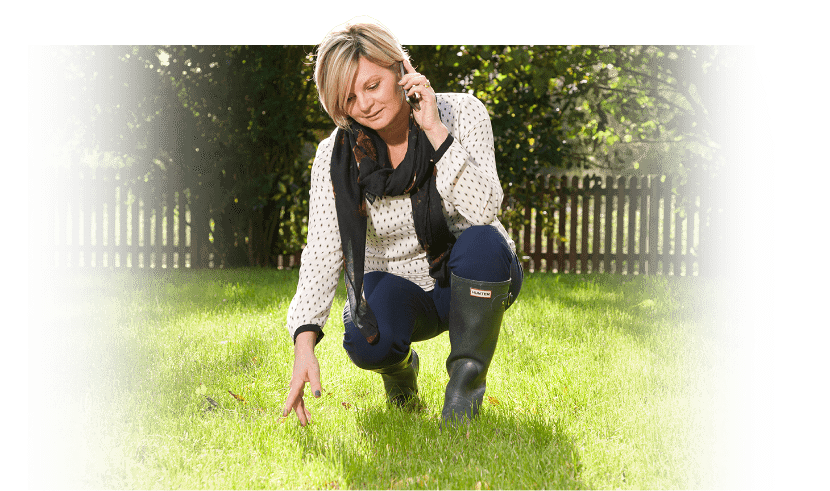
    Lady assesses lawn
    Request a Call back

    Enter your details below to request a call back from us.