When to Scarify Lawn: 2026 Timing Guide

Scarifying at the wrong time turns a routine job into weeks of bare, patchy lawn. Get the timing right and you strip out dead thatch and moss just as the grass is ready to bounce back and fill in the gaps.

TL;DR
  • Scarify when thatch exceeds 12mm or moss covers more than 20% of the lawn surface.
  • Spring (April-May) and early autumn (September) are the two safe windows in the UK in 2026.
  • Never scarify during drought, frost, or on a lawn showing active disease.
  • A springy, spongy feel underfoot is the clearest sign thatch has built up and scarification is due.

Why this matters

Thatch is the layer of dead grass, roots, and organic debris that sits between the soil and the green blades. A thin layer under 6mm is normal and even helps the lawn retain moisture. Once it passes 12mm, it starts blocking water, air, and fertiliser from reaching the roots, and moss moves in to fill the gap.

Scarify too early in the year and cold soil won't let the grass recover before growth slows. Scarify too late, or during a dry spell, and you're left with bare soil that weeds colonise faster than grass seed germinates. Getting the when right matters as much as the technique itself.

Scarify timing at a glance
12mm+
Thatch depth that needs action
10°C
Minimum soil temperature to scarify
20%
Moss cover that signals a problem

What you'll need

  • A small trowel or bread knife to cut and lift a soil plug for inspection
  • A soil thermometer, or a rough sense of when night frosts have stopped
  • A rake (spring-tine for light checks, powered scarifier for the actual job)
  • Grass seed and a top dressing mix ready for after-care
  • 20-30 minutes to walk the lawn and check several spots, not just one
  • If you're unsure what you're looking at, a page on how to check for a thatch problem walks through the visual signs before you commit to the job

The steps: how to know when to scarify your lawn

1. Check the thatch depth

Cut a small wedge of turf, about the size of a slice of cake, and look at the brown fibrous layer sitting on top of the soil. Under 6mm, leave it alone. Between 6mm and 12mm, keep monitoring through the season. Over 12mm, scarification is overdue. This single check tells you more than any other symptom on the lawn.

Common mistake: checking one spot near the edge of the lawn, where thatch tends to be thinner than in the middle. Test three or four spots across the whole area.

2. Walk the lawn barefoot or press your palm into it

A lawn that feels spongy or springy underfoot, almost like a mattress, has a thatch problem even before you cut a test plug. Healthy soil feels firm. This is the fastest field test and takes under a minute.

3. Count the moss

Look across the lawn from a standing position rather than crouching over one patch. If moss covers roughly a fifth of the visible area or more, it has usually taken hold because thatch and compaction are already blocking drainage. Lawns in shaded or damp corners of the garden tend to show this first, and a dedicated look at moss control for waterlogged lawns is worth a read if that describes your garden.

4. Check the calendar and the soil temperature

UK lawns respond best to scarification when soil temperature sits above 10°C and active growth has started. That's typically April to mid-May in the south, running a couple of weeks later further north, and again in early-to-mid September once summer heat has passed. Scarifying outside these windows, particularly in the depths of winter or the height of a July heatwave, gives the lawn no time to recover before conditions turn against it.

5. Rule out drought and disease first

If the lawn is drought-stressed, brown, and crisp underfoot, scarifying will strip out grass that's already struggling and expose bare soil to more heat stress. Equally, if you're seeing patches, rings, or discolouration that look like disease rather than ordinary thatch, get that identified and treated first. A lawn recovering from fusarium patch or dollar spot needs to heal before it can handle the stress of scarification.

6. Assess grass density and bare patches

Part the grass with your fingers in several spots. If you can see more soil than green between the blades, growth has thinned out, usually a knock-on effect of thatch smothering the crown of each plant. This is your cue that scarifying, followed by overseeding, will do more good than another round of feed alone.

7. Factor in soil type and drainage

Clay-heavy gardens hold water and compact faster, which speeds up thatch build-up and often means scarifying is needed on a tighter cycle than a free-draining sandy lawn. If your garden holds puddles for hours after rain, pairing scarification with lawn aeration for clay soil breaks up compaction at the same time and gets more value from the disruption to the lawn.

“If you can’t see soil between the grass blades and the lawn feels spongy underfoot, it’s already overdue for scarifying.”

8. Book the job before growth peaks

Once you've confirmed two or more of the signs above, don't wait for the lawn to get worse. Scarifying a moderately thatched lawn in spring or early autumn 2026, while soil is warm and grass is actively growing, gives seed the best possible germination window and gets the lawn looking full again within four to six weeks.

Not sure if your lawn needs scarifying?

Get a professional assessment before you commit to the job.

Troubleshooting

  • Lawn looks worse straight after scarifying – this is normal. Removing thatch exposes bare soil and thinned grass for two to three weeks before new growth fills in. If it hasn't improved by week five, check watering.
  • Moss came back within a few months – scarifying removes the moss but not the cause. Shaded, damp, or compacted ground grows moss again unless drainage or light levels change; see the moss control resource for the underlying fix.
  • Grass seed isn't germinating after scarifying – soil temperature below 10°C or a dry top layer are the usual culprits. Water lightly every other day for the first two weeks if there's no rain.
  • You scarified but thatch is back within a year – this points to ongoing compaction or over-application of nitrogen feed, both of which speed up organic matter build-up. Reducing feed frequency and checking soil type usually resolves it.
  • Lawn is patchy in shaded spots even after scarifying – shade-heavy areas struggle to hold new grass regardless of timing; moss treatment for shaded lawns covers what to do differently there.

Tools and resources

  • Trowel or bread knife for thatch plug checks
  • Soil thermometer, or a general sense of frost-free nights in your region
  • Spring-tine rake for light seasonal checks between full scarifications
  • Powered scarifier or professional service for lawns with 12mm+ thatch
  • Overseeding mix and top dressing for after-care once the job is done

What to do next

Once you've confirmed your lawn needs scarifying, the next decision is whether to tackle it yourself or bring in a professional, particularly on a heavily mossed lawn where the underlying cause needs treating too. A closer look at scarification for moss-heavy lawns covers what a proper job looks like on a lawn that's further gone than a light seasonal thinning.

FAQ

When is the best time to scarify a lawn in the UK?

Late April to mid-May and early-to-mid September are the two safest windows in 2026, once soil temperature sits above 10°C and the grass is actively growing. Avoid scarifying during frost, drought, or peak summer heat.

How do I know if my lawn needs scarifying?

A thatch layer over 12mm, a spongy feel underfoot, and moss covering more than a fifth of the lawn are the three clearest signs. Check several spots across the lawn rather than relying on one patch.

Can you scarify a lawn too often?

Yes, scarifying more than once or twice a year stresses the grass and slows recovery between sessions. Most lawns only need it annually, with a lighter pass in spring and a fuller one in autumn if thatch has built up again.

Is it better to scarify in spring or autumn?

Autumn generally gives better recovery because summer heat stress has passed and soil is still warm enough for seed to germinate. Spring works too, but only once soil temperature is reliably above 10°C.

How much thatch is too much?

A thatch layer above 12mm starts blocking water, air, and nutrients from reaching the grass roots. Under 6mm is normal and doesn’t need action.

What happens if you scarify a lawn with disease?

Scarifying a diseased lawn spreads the problem and adds physical stress the grass can’t handle while it’s already weakened. Treat visible disease first, then scarify once the lawn has recovered.

Should you scarify before or after aerating?

Scarify first to remove thatch and moss, then aerate to relieve soil compaction underneath. Doing both in the same season, spaced a week or two apart, gives the best combined result.

How long does a lawn take to recover after scarifying?

Most lawns look thin and patchy for two to three weeks, then fill in over four to six weeks with proper watering and overseeding. Full density often isn’t visible until the following growing season on heavily thatched lawns.

One last thing

The spongy-underfoot test catches thatch problems weeks before moss or bare patches show up on the surface, and it costs nothing but two minutes of walking the lawn barefoot. Do that check every spring and autumn in 2026 and you'll never need to guess when to scarify again.

Related guides

Checkout our latest FREE Guides

Learn when to scarify your lawn in 2026: check thatch depth, soil temperature, and moss cover before you rake. Spring and autumn windows explained clearly.
Overseeding after scarification: seed rates, timing, soil temperature and the mistakes that stop new grass establishing. UK lawn advice for 2026.
Overseeding a shaded lawn in 2026 fails without moss treatment, fine fescue seed and proper prep. See what works and what to skip before you sow.
Overseed thin lawn patches the right way in 2026 — seed rates, timing, watering and the fixes that stop bare spots coming back.
Learn when to aerate your lawn in 2026 with the screwdriver compaction test, seasonal timing, and clear signs like puddling and thatch buildup.
Best herbicide for lawns in 2026, ranked: three-way selectives beat single actives, glyphosate kills grass too, and stubborn weeds need more than one bottle.
Lawn aeration clay soil guide for 2026: hollow-tine wins over solid-tine and DIY spikes. Depth, timing, and what to avoid on heavy clay lawns.

Checkout our latest FREE Guides

Learn when to scarify your lawn in 2026: check thatch depth, soil temperature, and moss cover before you rake. Spring and autumn windows explained clearly.
Overseeding after scarification: seed rates, timing, soil temperature and the mistakes that stop new grass establishing. UK lawn advice for 2026.
Overseeding a shaded lawn in 2026 fails without moss treatment, fine fescue seed and proper prep. See what works and what to skip before you sow.
Overseed thin lawn patches the right way in 2026 — seed rates, timing, watering and the fixes that stop bare spots coming back.
Learn when to aerate your lawn in 2026 with the screwdriver compaction test, seasonal timing, and clear signs like puddling and thatch buildup.
Best herbicide for lawns in 2026, ranked: three-way selectives beat single actives, glyphosate kills grass too, and stubborn weeds need more than one bottle.
Lawn aeration clay soil guide for 2026: hollow-tine wins over solid-tine and DIY spikes. Depth, timing, and what to avoid on heavy clay lawns.
Request a Call back

Enter your details below to request a call back from us.

    Owning and running my Lawnscience Franchise is the best career move that I have ever made, and I wish I had done it 10 years ago! Nigel Bishop
    These are the questions that our customers ask most frequently.
    What our clients say...
    Felt sure the only remedy for our new house builder's lawn was to rip it up and start again! Lawnscience showed us other potential less drastic options and has made them a reality. Glad we consulted Lawnscience then, and very happy to continue to use…
    Mr Kenward
    What our clients say...
    Really friendly and knowledgeable team. My lawn was full of moss and weeds. Now It looks like a lawn should do. Green, lush and healthy.
    Trevor Dealey
    What our clients say...
    Lawnscience are always prompt and helped me keep on top of treatments for a newly laid lawn. Certainly takes the hassle away of burning grass etc when trying to add treatments yourself. Very good value for money. Nice guy.
    Mr Hamilton
    What our clients say...
    1st class service. Very knowledgeable on lawn care and how to improve our garden. Provided a course of action and a timetable to work to keep expectations high. Grass scarified and reseeded with great results
    Mr Murray
    What our clients say...
    Lawnscience provide a service of feeding the grass and killing the weeds and moss that are in all lawns. The treatment varies depending on the time of year. By using Lawnscience a minimum of four times a year our lawns have shown a vast improvement.
    Mr Knight
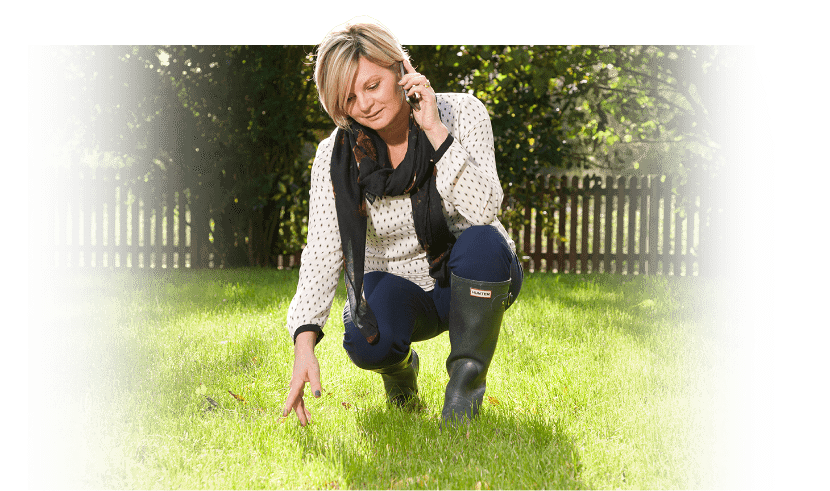
    Lady assesses lawn
    Request a Call back

    Enter your details below to request a call back from us.