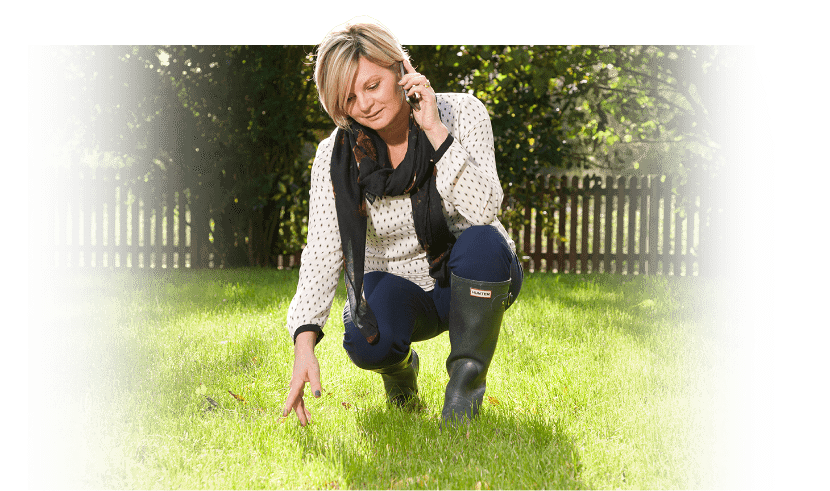
Lawn Care for Gardens With Chickens: What Works in 2026

Chickens and hens turn a lawn into a scratching, dust-bathing, worm-hunting playground – lawn care for gardens with chickens has to work with that behaviour, not against it, or you'll spend every weekend reseeding bare patches.

TL;DR
  • Lawn care for gardens with chickens works best with organic-first treatments and strict reentry rules – Buy.
  • Skip metaldehyde slug pellets and fast-release granular feeds – both put foraging hens at real risk.
  • Dust-bathing and scratching cause most bare patches – targeted patch repair fixes this faster than reseeding the whole lawn.
  • Pet-friendly weed control and pollinator-safe programmes cover chickens too – Consider both in mixed gardens with fruit or veg beds.

Why this matters

A flock of four to six hens will scratch, peck and dust-bathe across the same square metre of turf every single day. Ordinary lawn treatment advice ignores this. Standard weed and feed programmes are built for lawns nobody is eating grubs off of, and reentry instructions rarely mention birds at all.

Get the wrong treatment and you risk two things at once: a hen ingesting something it shouldn't, and a lawn that never recovers from constant scratching. Get it right and the two work together – hens clear out leatherjackets and slugs, the lawn stays thicker, and you spend less on pest treatment overall.

The starting point for most gardens with chickens is an organic-first lawn treatment programme, because it cuts the guesswork around what's safe for a bird pecking at treated grass within days of application.

Who this is for

This is for anyone running a garden flock – two rescue hens in a suburban back garden or a dozen birds free-ranging across half an acre – who still wants a lawn that looks like more than a dust bowl. It's written for homeowners in 2026 who've already worked out that generic lawn advice skips the one variable that matters most: a bird that spends six hours a day on the grass.

What to look for in lawn care for gardens with chickens

Chemical exposure and foraging behaviour

Hens peck at soil, thatch and treated grass constantly, so anything sprayed or spread on the lawn has a direct route into a bird's crop. This matters more here than in almost any other garden scenario, because a hen doesn't wait for the label's drying time – it's out there the moment the gate opens.

Reentry timing after treatment

Most lawn treatment labels tell you to keep pets and children off until the application has dried. With chickens roaming freely, that window needs to be a hard rule, not a suggestion, because hens will happily peck at granules they mistake for grit.

Weed control that doesn't put hens at risk

The bigger danger usually isn't the weeds themselves – it's certain bait and pellet products used alongside weed control. A treatment plan for a garden with chickens has to name exactly what it's using and rule out anything on the small list of products known to be genuinely harmful to poultry.

Repairing scratch and dust-bath damage

Hens don't graze evenly. They pick a favourite corner, scratch it bare, and dust-bathe in the same spot for months on end. Repair work has to target those specific bald patches rather than treating the whole lawn as uniformly worn.

Pollinator and wildlife-safe programmes

A garden with hens usually has fruit trees, veg beds or flowering borders nearby too. A programme that also protects bees and other pollinators keeps the whole garden working together instead of solving one problem while creating another.

The five approaches that actually work

  1. Organic-first lawn treatment – the safe default. This is the programme built around slower-release, lower-risk products rather than fast-acting synthetic weed and feed, and it suits any flock size because it removes most of the guesswork on reentry. Verdict: Buy – the default starting point for gardens with chickens in 2026.

  2. Pet-friendly weed control – the everyday workhorse. Built around a same-day dry time rather than a multi-day reentry window, this handles the dandelions, clover and plantain that show up in every lawn a flock has access to. Verdict: Buy for gardens where hens are let out daily.

  3. Pollinator-safe treatment programme – the wildcard for mixed gardens. It matters most when the run sits next to fruit trees, a veg patch or a flowering border that also needs bees working it. Verdict: Consider if you keep bees or grow fruit near the run; Skip if the lawn is fully separate from planting.

  4. Scratch and dust-bath patch repair – the patch fixer. Bare patches over roughly 30cm across rarely close up on their own within a season once a flock has claimed them as a dust-bath. Verdict: Buy if you've got more bald ground than green by midsummer.

  5. Reentry protocol for pets – the rule you can't skip. Keep the flock in the run until the lawn has fully dried, not just until it looks dry, whichever treatment you're running. Verdict: Buy – non-negotiable regardless of which of the four approaches above you choose.

What to avoid

  • Metaldehyde slug and snail pellets – genuinely toxic to poultry if a hen mistakes the bait for grit, and one of the most common causes of accidental poisoning in garden flocks.
  • Fast-release, high-nitrogen granular feed spread right before letting hens out – granules look exactly like the grit hens actively seek out, and a flock will peck at them before the feed has had a chance to work in.
  • Broad-spectrum weedkillers with long stated reentry periods – fine for a lawn nobody's using for six hours a day, unworkable for one that a flock is on every afternoon.

Verdict at a glance

Approach Chemical exposure Reentry rule Best for Verdict
Organic-first treatment Low Short Any flock size Buy
Pet-friendly weed control Low-medium Same-day Daily free-range hens Buy
Pollinator-safe programme Low Short Gardens with fruit/veg beds Consider
Patch repair for digging damage None (repair only) None Dust-bath and scratch damage Buy
Reentry protocol N/A Strict Every garden with chickens Buy

Get lawn care that works around your flock

Talk through your garden and hens with Lawnscience before booking treatment.

FAQ

Is it safe to let chickens on a lawn that’s just been treated?

Not until the treatment has fully dried – hens peck at soil and granules constantly, so a wet or freshly-applied lawn carries more risk for a bird than for a cat or dog. Keep the flock in the run or coop until the lawn is completely dry, then let them back out as normal.

How long should hens stay off a treated lawn?

Until the lawn has fully dried, which is the standard reentry rule on most lawn treatment product labels. Treat that as a strict cutoff with poultry rather than a rough guideline, since hens forage on the ground far more aggressively than most pets.

Can chickens ruin a lawn?

Yes – scratching and repeated dust-bathing in the same spot strips grass down to bare soil within weeks. It’s the single biggest lawn problem specific to gardens with chickens, and it needs targeted patch repair rather than a general feed.

Do chickens help control lawn pests?

Yes, a free-ranging flock will actively hunt down slugs, leatherjackets and other grubs living in the turf. It won’t replace a dedicated pest treatment on a badly infested lawn, but it reduces how often you need one.

What’s the biggest chemical risk to chickens in the garden?

Slug and snail bait containing metaldehyde is the most commonly cited risk, since hens will eat pellets mistaking them for grit. It’s a bigger concern than most lawn weeds themselves.

Can I still use lawn feed if I keep chickens?

Yes, but choose an organic-first or slower-release product rather than fast-release high-nitrogen granules, and avoid spreading feed right before letting the flock out. Organic-first treatment removes most of the guesswork on timing.

Do I need to fence off part of the lawn during treatment?

Usually not – keeping the flock confined to the coop or run until the lawn dries does the same job without extra fencing. That’s simpler for most gardens than trying to section off treated ground.

What’s the best lawn treatment for a garden with chickens in 2026?

An organic-first programme combined with pet-friendly weed control covers the two biggest risks – chemical exposure and long reentry windows – for almost any flock size. Add targeted patch repair wherever the hens have claimed a dust-bath spot.

One last thing

Hens will hunt down many of the same leatherjacket grubs and slugs that trigger separate pest treatments on lawns without a flock – a well-managed run does some of that work for you, which is worth factoring in before booking a standalone pest treatment in 2026. The lawn and the flock aren't competing for the same garden; treated properly, one keeps the other in check.

Checkout our latest FREE Guides

Lawn treatment for dog runs and kennels in 2026: urine patch repair, digging damage fixes, pet-safe weed control, and high-traffic reseeding that holds up.
Lawn care for gardens with chickens in 2026: the organic treatments, weed control and reentry rules that keep hens safe and your lawn green and intact.
Lawn care for first-time homeowners in 2026: what to prioritise, what to skip, and why a soil test beats another bag of feed - Lawnscience explains in full.
Lawn treatment for robotic mower lawns in 2026: what to feed, when to aerate, and how re-entry timing works. Clear verdicts, no jargon, from Lawnscience.
Lawn care for gardens with trampolines in 2026: the seed mix, aeration schedule, and repair plan that fix bald patches under play equipment fast.
Lawn care for garden offices in 2026: fix shade, compaction and drainage around new outbuildings with Lawnscience's ranked picks and verdicts.
Bee-friendly lawn treatment in 2026 means timing and targeted spraying, not just organic swaps. See what to look for, what to avoid, and our verdict picks.

Checkout our latest FREE Guides

Lawn treatment for dog runs and kennels in 2026: urine patch repair, digging damage fixes, pet-safe weed control, and high-traffic reseeding that holds up.
Lawn care for gardens with chickens in 2026: the organic treatments, weed control and reentry rules that keep hens safe and your lawn green and intact.
Lawn care for first-time homeowners in 2026: what to prioritise, what to skip, and why a soil test beats another bag of feed - Lawnscience explains in full.
Lawn treatment for robotic mower lawns in 2026: what to feed, when to aerate, and how re-entry timing works. Clear verdicts, no jargon, from Lawnscience.
Lawn care for gardens with trampolines in 2026: the seed mix, aeration schedule, and repair plan that fix bald patches under play equipment fast.
Lawn care for garden offices in 2026: fix shade, compaction and drainage around new outbuildings with Lawnscience's ranked picks and verdicts.
Bee-friendly lawn treatment in 2026 means timing and targeted spraying, not just organic swaps. See what to look for, what to avoid, and our verdict picks.
Request a Call back

Enter your details below to request a call back from us.

    Owning and running my Lawnscience Franchise is the best career move that I have ever made, and I wish I had done it 10 years ago! Nigel Bishop
    These are the questions that our customers ask most frequently.
    What our clients say...
    Felt sure the only remedy for our new house builder's lawn was to rip it up and start again! Lawnscience showed us other potential less drastic options and has made them a reality. Glad we consulted Lawnscience then, and very happy to continue to use…
    Mr Kenward
    What our clients say...
    Really friendly and knowledgeable team. My lawn was full of moss and weeds. Now It looks like a lawn should do. Green, lush and healthy.
    Trevor Dealey
    What our clients say...
    Lawnscience are always prompt and helped me keep on top of treatments for a newly laid lawn. Certainly takes the hassle away of burning grass etc when trying to add treatments yourself. Very good value for money. Nice guy.
    Mr Hamilton
    What our clients say...
    1st class service. Very knowledgeable on lawn care and how to improve our garden. Provided a course of action and a timetable to work to keep expectations high. Grass scarified and reseeded with great results
    Mr Murray
    What our clients say...
    Lawnscience provide a service of feeding the grass and killing the weeds and moss that are in all lawns. The treatment varies depending on the time of year. By using Lawnscience a minimum of four times a year our lawns have shown a vast improvement.
    Mr Knight
    Lady assesses lawn
    Request a Call back

    Enter your details below to request a call back from us.