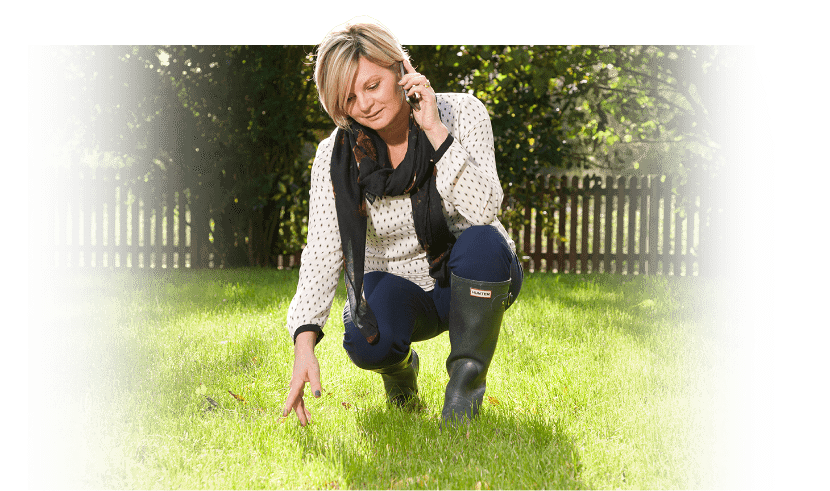
Lawn Repair for Dog Digging Damage 2026: What Works

Dogs dig. Some dig one hole and stop, others turn a lawn into a moonscape by the second week of ownership, and the repair job that follows is different from ordinary wear and tear because the soil underneath has usually been disturbed as well as the grass on top.

TL;DR
  • Lawn repair for dog digging damage needs soil firming before reseeding, not just grass seed on top – Buy this approach.
  • Overseeding bare patches works best March to May or September in the UK, not mid-summer.
  • Pet-friendly weed control matters here – many standard herbicides carry re-entry warnings for dogs.
  • Turf patches over loose, dug soil sink within weeks – Skip unless the area is firmed first.

Who this is for

This guide is for homeowners with a dog (or dogs) that dig – along fence lines, under hedges, or in random craters across an otherwise decent lawn – and who now need to repair the damage without spending every weekend on it. If your lawn has more bare soil than grass because of digging rather than disease or drought, the fix is soil-first, not seed-first, and that's the bit most DIY attempts get backwards.

Why this matters

A dug-out hole isn't just missing grass. The soil structure gets compressed at the base and loosened at the sides, drainage changes locally, and grass seed dropped straight on top often washes out or fails to root because there's nothing stable underneath it. Get lawn repair for bare and thin patches wrong at this stage and you'll be reseeding the same six holes every spring for years.

What to look for in lawn repair for dog digging damage

Soil compaction fix before reseeding

Dug soil is either compacted at the base of the hole or loosened at the edges – both need levelling and light firming before any seed goes down. Skip this step and new grass roots have nothing solid to grip, which is why seed on a raw dig hole so often fails within two to three weeks.

Grass seed matched to the existing lawn

A patch repair that uses a different seed blend than the rest of the lawn shows up as a colour or texture mismatch for a full growing season. Match the species mix – typically a ryegrass and fescue blend on UK lawns – so the repair blends in rather than standing out as a visible scar.

Pet-safe products throughout the repair

Any fertiliser, weed treatment or moss control applied during the repair needs to be safe for a dog that's actively using the garden. Weed control for pet-friendly lawns covers what to check on the label and how long to keep dogs off treated areas.

Timing against the growing season

Seed sown in July heat or December frost simply won't establish. Spring (March to May) and early autumn (September) 2026 are the two windows where UK soil temperature and moisture support germination without constant babysitting.

Addressing the digging itself, not just the hole

Repairing the same spot repeatedly without changing the dog's behaviour or motivation is a losing game. Boredom, prey drilling for rodents, or cooling off in bare soil on hot days are the usual triggers – the repair holds far longer once the cause is addressed alongside the lawn work.

Distinguishing digging damage from urine damage

Dogs that dig often also leave urine patches nearby, and the two need different treatments – one is physical soil disruption, the other is nitrogen scorch. Confusing them means treating a nitrogen-burned patch like a bare-soil dig hole, which wastes seed and time.

Top picks for repairing dog digging damage

Overseeding the bare patches – the reliable pick
Overseeding existing thin or dug-out areas with a matched grass blend is the most straightforward fix for holes under roughly 30cm across. How to overseed a thin or patchy lawn covers the seeding rate and watering schedule that gets new grass established within four to six weeks in spring conditions. Buy – this is the default move for most digging damage.

Targeted bare-patch repair – the precise fix
For a handful of well-defined holes rather than a lawn-wide problem, a targeted patch repair using topsoil, seed and light compaction gets grass back in a specific spot faster than a full overseed. This is the pick when the damage is 3-5 isolated holes rather than a scattered mess. Consider – works well but doesn't address surrounding thinning if the dog is still digging nearby.

Pet-friendly weed control alongside the repair – the safety pick
Bare, disturbed soil is where weeds establish fastest, so treating the surrounding area with a pet-safe herbicide while the repair beds in stops the problem doubling. This matters more with dogs than with cats, since dogs spend more time nose-down in exactly the soil you're trying to protect. Buy if the repair area borders lawn that's already showing weed pressure.

Separate treatment for urine patches – the commonly confused fix
If the same dog leaves yellow-ringed urine patches as well as dig holes, lawn treatment for dog urine patches is a different repair track entirely, built around flushing nitrogen and reseeding scorched grass rather than firming loose soil. Buy if you're seeing both problem types – treating them the same way under-serves both.

Family-wide treatment plan – the long-game pick
Households with kids and a digging dog usually want one lawn that survives both, and best lawn treatment for family gardens with kids builds a treatment programme around durability and safety rather than a one-off patch job. Consider if digging damage is recurring rather than a one-time incident.

Get your lawn assessed by a local expert

Find out what your lawn actually needs before you buy another bag of seed.

What to avoid

  • Cheap, unmatched grass seed mixes – a mismatched blend leaves a visibly different-coloured patch for a full season, sometimes longer.
  • Turf offcuts laid straight over loose dug soil – without firming first, the turf sinks unevenly within weeks and the seam never disappears.
  • Standard weed-and-feed products with no pet guidance – some carry re-entry restrictions of 24-48 hours or more; check the label before a dog that digs goes straight back into the treated area.

Verdict comparison

Approach Best for Season Verdict
Overseed bare patches Multiple small dig holes Spring or early autumn 2026 Buy
Targeted patch repair 3-5 isolated holes Spring or early autumn 2026 Consider
Pet-friendly weed control Weeds colonising disturbed soil Alongside repair Buy
Dog urine patch treatment Yellow rings near dig sites Growing season Buy if present
Family lawn treatment plan Recurring digging + kids using lawn Year-round programme Consider

FAQ

What’s the best way to repair a lawn after a dog dug it up?

Firm the loose soil back down, level it with topsoil if needed, then overseed with a grass blend matched to the rest of the lawn. Seeding directly onto loose soil without firming it first is the main reason patch repairs fail within a few weeks.

Is turf or grass seed better for repairing dog digging damage?

Grass seed is usually the better choice for small to medium dig holes because it blends with the existing lawn and doesn’t require the soil firmness that turf laying demands. Turf works for larger areas but only once the ground beneath is properly compacted.

How long does it take grass to grow back after a dog digs a hole?

New grass typically establishes within four to six weeks when seeded during spring or early autumn 2026 conditions, given consistent watering. Growth slows considerably outside those windows, especially in summer heat or winter cold.

Will grass seed grow if my dog keeps digging in the same spot?

No – seed can’t establish roots if the same spot is disturbed repeatedly, so the digging behaviour needs addressing alongside the repair. Temporary barriers or redirecting the dog to a designated dig area usually solve this faster than repeated reseeding.

Are lawn weed treatments safe for dogs?

Most pet-friendly formulations are safe once dry, but re-entry times vary by product and should be checked on the label. Dogs that dig spend more time in direct soil contact than dogs that don’t, so this matters more for digging breeds.

What’s the difference between dog digging damage and dog urine damage?

Digging damage is physical – loosened or compacted soil with bare patches – while urine damage is chemical scorch from nitrogen concentration, usually showing as a yellow ring with darker green edges. The repairs differ: digging needs soil firming and reseeding, urine needs flushing and reseeding.

Can I repair a dog dig hole in summer?

Seed sown in peak summer heat struggles to germinate and often needs watering twice daily to survive, so it’s not the ideal window. Waiting for early autumn 2026 or the following spring gives far better establishment odds with far less effort.

Should I aerate before repairing dog digging damage?

Aeration helps the surrounding lawn cope with soil compaction from foot and paw traffic, but it’s a separate step from filling and reseeding the actual dig holes themselves. Check whether your lawn needs aeration more broadly once the visible dig damage is sorted.

One last thing

The repair that actually holds is rarely the fastest one – lawns where the dog's digging trigger gets addressed (a shaded dig pit, more exercise, a fence line barrier) need reseeding once. Lawns where only the hole gets filled tend to need reseeding every spring, sometimes in the exact same six spots, for as long as the dog lives there.

Related guides

Checkout our latest FREE Guides

Fix lawn repair for dog digging damage in 2026 - soil firming, matched seed, pet-safe weed control and timing that actually gets grass to hold.
Heavy thatch over 1.5cm needs scarification, not feeding. See what fixes thatch buildup in 2026, what to skip, and the right season to scarify.
Prepare garden for new lawn installation in 2026: soil testing, levelling, topsoil depth and turf timing steps that stop failed establishment.
Lawn seeding for a family garden in 2026: the seed mix that survives kids and dogs, when to sow it, and which shortcuts leave bare patches by summer.
Restore lawn after building work in 2026 with a step-by-step fix for compaction, debris and bare patches, plus when to reseed and when to call in help.
Brown patches in lawn in 2026? Identify Fusarium patch, dollar spot or rust, treat the right disease first, and stop patches spreading back season after season.
Lawn fertilisation for shaded gardens explained: low-nitrogen feeds win in 2026, high-nitrogen spring feeds are a Skip under tree canopy. See what to use.

Checkout our latest FREE Guides

Fix lawn repair for dog digging damage in 2026 - soil firming, matched seed, pet-safe weed control and timing that actually gets grass to hold.
Heavy thatch over 1.5cm needs scarification, not feeding. See what fixes thatch buildup in 2026, what to skip, and the right season to scarify.
Prepare garden for new lawn installation in 2026: soil testing, levelling, topsoil depth and turf timing steps that stop failed establishment.
Lawn seeding for a family garden in 2026: the seed mix that survives kids and dogs, when to sow it, and which shortcuts leave bare patches by summer.
Restore lawn after building work in 2026 with a step-by-step fix for compaction, debris and bare patches, plus when to reseed and when to call in help.
Brown patches in lawn in 2026? Identify Fusarium patch, dollar spot or rust, treat the right disease first, and stop patches spreading back season after season.
Lawn fertilisation for shaded gardens explained: low-nitrogen feeds win in 2026, high-nitrogen spring feeds are a Skip under tree canopy. See what to use.
Request a Call back

Enter your details below to request a call back from us.

    Owning and running my Lawnscience Franchise is the best career move that I have ever made, and I wish I had done it 10 years ago! Nigel Bishop
    These are the questions that our customers ask most frequently.
    What our clients say...
    Felt sure the only remedy for our new house builder's lawn was to rip it up and start again! Lawnscience showed us other potential less drastic options and has made them a reality. Glad we consulted Lawnscience then, and very happy to continue to use…
    Mr Kenward
    What our clients say...
    Really friendly and knowledgeable team. My lawn was full of moss and weeds. Now It looks like a lawn should do. Green, lush and healthy.
    Trevor Dealey
    What our clients say...
    Lawnscience are always prompt and helped me keep on top of treatments for a newly laid lawn. Certainly takes the hassle away of burning grass etc when trying to add treatments yourself. Very good value for money. Nice guy.
    Mr Hamilton
    What our clients say...
    1st class service. Very knowledgeable on lawn care and how to improve our garden. Provided a course of action and a timetable to work to keep expectations high. Grass scarified and reseeded with great results
    Mr Murray
    What our clients say...
    Lawnscience provide a service of feeding the grass and killing the weeds and moss that are in all lawns. The treatment varies depending on the time of year. By using Lawnscience a minimum of four times a year our lawns have shown a vast improvement.
    Mr Knight
    Lady assesses lawn
    Request a Call back

    Enter your details below to request a call back from us.