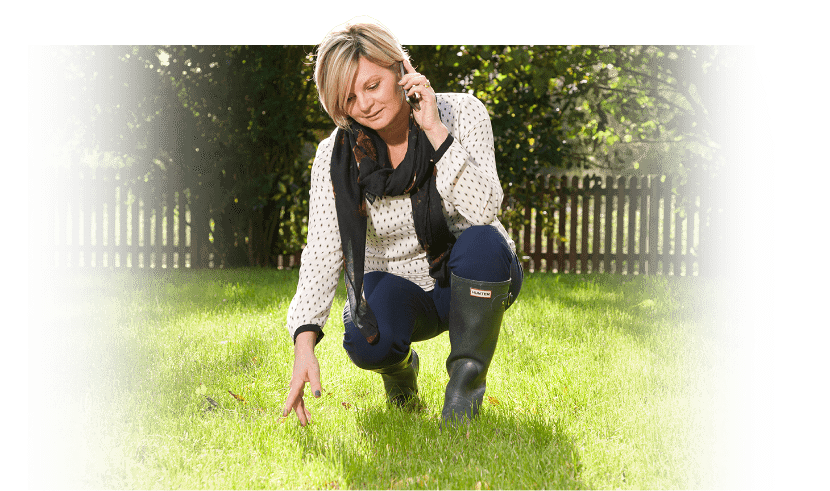
Lawn Care for Petting Zoos and Farm Attractions 2026

Lawn care for petting zoos and farm attractions means treating grass that has to survive goat hooves, chicken scratching, pram wheels and a few thousand visitor footsteps a season, not just mowing it and hoping for the best. A petting zoo lawn has two traffic sources working against it at once – people and animals – so it wears through faster and heals slower than a normal domestic lawn ever would.

TL;DR
  • Lawn care for petting zoos and farm attractions needs more frequent aeration and overseeding because visitor and animal traffic compacts soil faster than a home garden.
  • Lawnscience treats farm attraction lawns with animal-safe products and reseeds worn paths between enclosures during the off season.
  • Time weed and moss treatments around closed periods, not half-term or school holiday weeks when footfall peaks.
  • Sites with animals in close contact should confirm organic treatment options before booking any programme for 2026.

Why lawn care matters for petting zoos and farm attractions

A family garden might see a few dozen footsteps a day. A petting zoo lawn sees hundreds of small children, prams and wellington boots crossing the same paths every open day, plus goats, sheep, rabbits and chickens grazing, scratching and standing in the same enclosure corners for months. That combination compacts soil quickly and strips grass cover in exactly the spots visitors and animals gather most.

Lawns near chickens and hens enclosures face a specific problem: constant scratching removes grass down to bare soil in a ring around the run, and that bare soil then turns to mud the first wet week. Left untreated over a full season, that ring spreads and the mud tracks into visitor paths.

Attractions open six or more months a year cannot just close the lawn to let it recover the way a private garden owner might. The lawn has to keep working while it's being repaired, which is why the treatment calendar for a petting zoo or farm attraction looks different to a standard residential programme.

Map high-traffic and enclosure zones first

Before any treatment starts, walk the grounds and mark where wear is worst. This single step decides everything else in the programme.

  • Note paths between enclosures where visitors funnel single-file
  • Flag areas around feeding stations and animal contact points
  • Mark any zone with standing water or persistent mud after rain
  • Identify shaded corners under trees or barn overhangs where grass struggles anyway
  • Record which areas animals graze directly versus areas only walked by people

Aerate compacted paths before overseeding

Compacted soil is the root cause of most bare patches on a working farm attraction lawn. Grass roots can't get oxygen or water through soil that's been flattened by boots and hooves all season, so aeration has to happen before any seed goes down.

  • Core aerate high-traffic paths in early spring or autumn, never mid-season
  • Use hollow-tine aeration on the worst-compacted zones for deeper relief
  • Combine aeration with topdressing on clay-heavy ground to improve drainage long-term
  • Time the work for a closed day or the off season so foot traffic doesn't undo it
  • Check drainage in enclosure corners separately – standing water needs more than aeration alone

Sites with heavy clay soil compact fastest and need this step done more often than sandy ground.

Overseed with wear-tolerant grass mixes

Ordinary ornamental lawn seed doesn't survive petting zoo traffic. Wear-tolerant ryegrass-heavy mixes recover from trampling and scratching far quicker than fine fescue blends built for a lawn nobody walks on.

  • Overseed worn paths and enclosure surrounds every autumn as standard
  • Choose ryegrass-dominant mixes for the fastest germination and best wear recovery
  • Protect new seed from animal access with temporary fencing until it establishes
  • Water new seed daily in dry spells until roots take hold
  • Schedule the second overseed in spring if autumn recovery wasn't complete before reopening

A scheduled Lawnscience treatment programme builds this overseeding into the calendar automatically, timed around your open season rather than left to guesswork – the same approach used for high-traffic family lawns scaled up for constant footfall.

Control weeds and moss without harming animals

A lawn with animals grazing on it or children rolling on the grass rules out a lot of standard weedkillers. Product choice matters more here than on any residential lawn.

  • Confirm any herbicide used is cleared for reentry timing around livestock and visitors
  • Treat moss in shaded, damp corners separately from weed control in open grazing areas
  • Time applications for closed days with a documented reentry window before animals return
  • Ask about organic or reduced-chemical options if animals graze the treated area directly
  • Avoid blanket spraying the whole site – target only the zones actually affected

Manage urine and manure patches

Animal urine scorches grass in the same way dog urine does on a domestic lawn, just at a bigger scale and with more animals contributing. Manure adds nutrient overload on top of that.

  • Rinse urine-affected patches with water where practical to dilute concentration
  • Reseed scorched rings once the underlying soil has recovered
  • Remove manure regularly rather than letting it sit and burn the grass beneath
  • Rotate animal access across paddock zones where the layout allows it, spreading the wear
  • Flag persistent bare rings for targeted overseeding rather than treating the whole enclosure

Repair worn patches between seasons

The closed season, typically November through February for most seasonal attractions, is the only real window to do disruptive work without interrupting visitors.

  • Schedule aeration, scarification and overseeding for the closed months, not the open season
  • Repair ruts and compacted tracks from delivery vehicles or maintenance access during this window
  • Reassess enclosure layouts if the same spots wear through every single year
  • Apply a full feed programme so grass is established well before reopening in spring
  • Book professional treatment early – the closed season books up fast across the whole industry

Get a 2026 treatment plan sorted

Book your off-season lawn care before spring reopening.

Protect new turf from wildlife and foot traffic re-entry

New seed and new turf are vulnerable to the same wildlife that draws visitors to a farm attraction in the first place – rabbits, birds and, on some sites, the resident animals themselves.

  • Fence off newly seeded areas until grass is established enough to withstand light traffic
  • Check for rabbit and wildlife damage separately from visitor wear – the repair approach differs
  • Delay full public reopening of a repaired zone until roots have properly taken hold
  • Use temporary matting on paths that must stay open during recovery

Comparing lawn care options for petting zoos and farm attractions

Option Best for Key limitation
DIY mowing and manual overseeding Small attractions with tight budgets and spare off-season time Slow recovery, no animal-safe product knowledge built in
General contract grounds maintenance Larger sites wanting one supplier for mowing plus general upkeep Often lacks specific lawn treatment expertise or animal-safe timing
Scheduled professional programme (Lawnscience) Attractions wanting year-round care timed around open season and animal reentry Needs booking ahead of the closed season to secure the slot

Verdict: a scheduled professional programme timed to your closed season is the only option that keeps pace with combined animal and visitor wear year after year – DIY and general contractors both struggle once the traffic is this constant.

Common mistakes petting zoos and farm attractions make

  • Scheduling aeration or scarification during open season and disrupting visitors mid-treatment
  • Using generic weedkillers not checked for reentry safety around livestock or grazing animals
  • Ignoring urine and manure patches until they've scarred the turf beyond a quick reseed
  • Treating the whole site the same way, rather than targeting the enclosure corners and paths that actually take the wear
  • Leaving overseeding until spring, missing the closed-season window when the work causes zero disruption

FAQ

What’s the best lawn care for petting zoos and farm attractions?

A scheduled programme covering aeration, overseeding with wear-tolerant grass mixes and animal-safe weed control, timed for the closed season. Ad-hoc mowing alone can’t keep pace with combined visitor and animal traffic.

Is organic lawn treatment necessary near animal enclosures?

It’s not always mandatory, but many sites prefer organic or reduced-chemical options where animals graze directly on treated grass. Check reentry timing on any product used near livestock.

How often should petting zoo lawns be aerated?

At least once a year on the worst-compacted paths, often twice on clay soil or in enclosure corners with the heaviest footfall. Aeration timed for the closed season causes no disruption.

Can lawns recover from goat and chicken damage?

Yes, with targeted overseeding of the affected zone using a wear-tolerant, fast-germinating mix. Fencing the area off from animal access until roots establish speeds recovery significantly.

When is the best time to overseed a farm attraction lawn?

Autumn, right after the busiest visitor months end, gives grass the whole closed season to establish before spring reopening. A second spring overseed covers anything that didn’t fully recover.

How do you treat urine patches from farm animals?

Dilute fresh patches with water where practical, then reseed once the soil beneath has recovered. Persistent rings need targeted overseeding rather than a blanket lawn treatment.

Do petting zoos need professional lawn treatment or can staff do it?

Staff can manage routine mowing, but aeration, disease diagnosis and animal-safe weed control benefit from professional judgement. A scheduled programme also guarantees the work happens in the closed season, not whenever staff find time.

One last thing

The single biggest recovery win most farm attractions miss is fencing off a newly overseeded zone completely, not just discouraging access with a low rope. New grass on a site with animals present gets grazed or scratched at within days if it's left even partially accessible – full fencing until the first proper mow is the difference between a repaired patch and a wasted reseed.

Related guides

Checkout our latest FREE Guides

Choosing grass seed for your lawn depends on sunlight, foot traffic and soil pH. The 2026 guide to fescue, ryegrass and shade mixes that actually establish.
Lawn treatment for forest schools in 2026: aeration, tough seed mixes and child-safe weed control that survive daily class use. Verdict and step-by-step plan.
Lawn treatment for gardens with cricket nets in 2026: aerate the run-up strip, overseed with wear-tolerant grass, and feed on a tighter cycle to stop bald patches.
Lawn care for petting zoos and farm attractions in 2026: aeration, overseeding and animal-safe weed control for high-traffic, animal-heavy grounds.
Lawn care for gardens with greenhouses and polytunnels in 2026: fix shade, run-off and compaction zone by zone with Lawnscience's step-by-step plan.
Lawn care for sensory gardens in 2026: low-irritant products, flat non-slip turf and reentry timing for care homes, SEN schools and hospice grounds.
Lawn care for glamping sites and eco-retreats in 2026: compaction control, seasonal aeration and pollinator-safe treatment beat a standard domestic feed plan.

Checkout our latest FREE Guides

Choosing grass seed for your lawn depends on sunlight, foot traffic and soil pH. The 2026 guide to fescue, ryegrass and shade mixes that actually establish.
Lawn treatment for forest schools in 2026: aeration, tough seed mixes and child-safe weed control that survive daily class use. Verdict and step-by-step plan.
Lawn treatment for gardens with cricket nets in 2026: aerate the run-up strip, overseed with wear-tolerant grass, and feed on a tighter cycle to stop bald patches.
Lawn care for petting zoos and farm attractions in 2026: aeration, overseeding and animal-safe weed control for high-traffic, animal-heavy grounds.
Lawn care for gardens with greenhouses and polytunnels in 2026: fix shade, run-off and compaction zone by zone with Lawnscience's step-by-step plan.
Lawn care for sensory gardens in 2026: low-irritant products, flat non-slip turf and reentry timing for care homes, SEN schools and hospice grounds.
Lawn care for glamping sites and eco-retreats in 2026: compaction control, seasonal aeration and pollinator-safe treatment beat a standard domestic feed plan.
Request a Call back

Enter your details below to request a call back from us.

    Owning and running my Lawnscience Franchise is the best career move that I have ever made, and I wish I had done it 10 years ago! Nigel Bishop
    These are the questions that our customers ask most frequently.
    What our clients say...
    Felt sure the only remedy for our new house builder's lawn was to rip it up and start again! Lawnscience showed us other potential less drastic options and has made them a reality. Glad we consulted Lawnscience then, and very happy to continue to use…
    Mr Kenward
    What our clients say...
    Really friendly and knowledgeable team. My lawn was full of moss and weeds. Now It looks like a lawn should do. Green, lush and healthy.
    Trevor Dealey
    What our clients say...
    Lawnscience are always prompt and helped me keep on top of treatments for a newly laid lawn. Certainly takes the hassle away of burning grass etc when trying to add treatments yourself. Very good value for money. Nice guy.
    Mr Hamilton
    What our clients say...
    1st class service. Very knowledgeable on lawn care and how to improve our garden. Provided a course of action and a timetable to work to keep expectations high. Grass scarified and reseeded with great results
    Mr Murray
    What our clients say...
    Lawnscience provide a service of feeding the grass and killing the weeds and moss that are in all lawns. The treatment varies depending on the time of year. By using Lawnscience a minimum of four times a year our lawns have shown a vast improvement.
    Mr Knight
    Lady assesses lawn
    Request a Call back

    Enter your details below to request a call back from us.