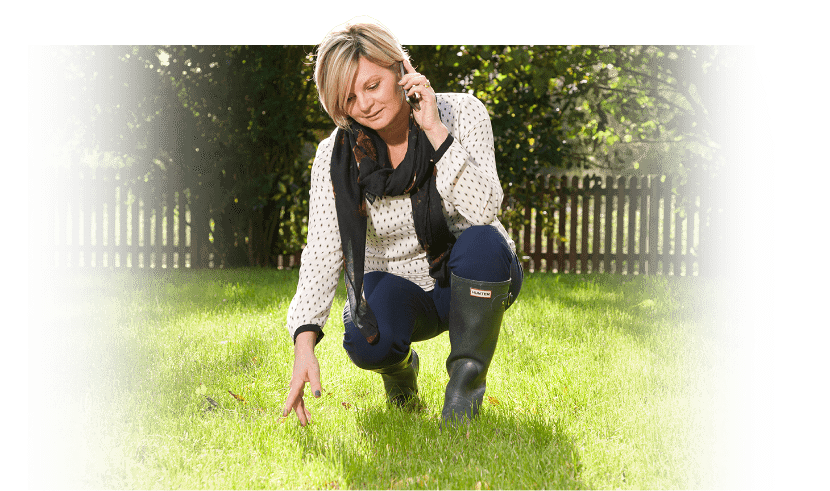
Lawn Care for Veterinary Practices: 2026 Verdict

Veterinary practice lawn care is the scheduled treatment of clinic gardens, dog-walking strips and outdoor consultation areas built around one thing most homeowners never deal with: dozens of animals crossing the same patch of grass every single day. A vet clinic lawn takes urine, paw traffic, nervous digging and repeat mud tracking in a way a normal back garden simply doesn't, and it has to look presentable to clients who are already stressed about their pet.

TL;DR
  • Lawn care for veterinary practices needs pet-safe products and scheduled reentry windows, not standard domestic treatment plans.
  • Dog urine patches and compacted paw-traffic zones are the two most common problems on clinic grounds in 2026.
  • Organic and low-tox treatment options exist and matter more here than on an average home lawn.
  • Scarification and overseeding fix worn entrance strips faster than reseeding alone.
  • Lawnscience builds treatment schedules around clinic opening hours so grass is never wet or freshly treated during appointments.

Why lawn care matters for veterinary practices

A vet clinic's front lawn or dog-walking strip is the first thing a nervous client sees before they even reach reception. Scorched urine patches, bare mud by the entrance, or a lawn overrun with clover and moss all send the wrong signal for a business built on trust and care.

The bigger issue is functional, not cosmetic. Practices that let clients walk dogs on the same small verge multiple times a day get compacted soil and dead turf within a few months, and any weed or feed product used on that grass needs to be safe for animals that may already be unwell, recovering from surgery, or on medication. Getting weed control for pet-friendly lawns right from the start avoids having to explain to clients why the grass outside the clinic looks worse than the animals do.

Verdict: veterinary practices need a lawn care programme built around pet-safe products, high-traffic recovery and reentry timing, not a standard once-a-season feed-and-weed plan.

Update your treatment plan around pet-safe products

Start with what's already growing and what's already dying, before spending anything.

  • Walk the grounds and mark where dogs are walked, tied up, or examined outdoors
  • Note bare or yellowed patches near the entrance, car park edges and consultation doors
  • Check which areas get direct sun versus shade from the building
  • Flag any spots where clients routinely let dogs off lead to relieve themselves
  • Record how often each zone is mowed and by whom

Choose pet-safe weed and feed treatments

Domestic weed-and-feed products aren't automatically wrong for a clinic, but the margin for error is smaller when sick or recovering animals use the same grass daily.

  • Read product labels for pet reentry guidance before applying anything
  • Favour treatments with shorter reentry windows over ones needing a full day's exclusion
  • Keep a treatment log so staff know exactly what was applied and when
  • Ask a professional lawn care provider for a programme designed with animal reentry in mind rather than adapting a home product
  • Consider organic lawn treatment for chemical-sensitive homes as a starting point if the practice wants a lower-tox baseline

Fix dog urine patches before they scar the lawn

Urine patches are the single most common lawn complaint at any site where dogs relieve themselves repeatedly in the same few square metres.

  • Water the affected spot promptly after use to dilute nitrogen concentration
  • Reseed dead patches rather than waiting for grass to recover on its own
  • Rotate which areas dogs are directed to if the layout allows it
  • Apply a balanced feed to help surrounding grass outcompete the dead zone
  • Avoid heavy nitrogen feeds in summer, which make urine scorch worse, not better

Aerate compacted soil from constant paw and vehicle traffic

Repeated foot traffic compacts soil far faster than most people expect, and compacted soil can't take up water or nutrients properly.

  • Check drainage by seeing how fast a puddle disappears after rain
  • Aerate high-traffic strips at least once a year, twice if the clinic sees heavy footfall
  • Use a hollow-tine method on clay soil rather than solid spikes, which just compress it further
  • Follow aeration with a top-dressing to improve soil structure over time
  • Time aeration for spring or autumn when grass recovers fastest

Control ticks and other parasites hiding in long or neglected grass

Overgrown or unmanaged grass edges give ticks and fleas somewhere to shelter, which matters more at a clinic than almost anywhere else. Staff already advise clients on prevention for pets that spend time outdoors, and many practices pair that advice with flea and tick prevention gear for outdoor dogs since parasites in long grass are as much a lawn management issue as a pet care one.

  • Keep grass mown short around boundaries, fences and shaded edges
  • Clear leaf litter and debris where ticks commonly overwinter
  • Scarify to remove thatch, which also harbours pests
  • Treat any visible pest damage promptly rather than waiting for the next scheduled visit

Reseed worn zones and consultation area edges

Bare patches near doors and car park edges rarely fix themselves, especially on ground that gets walked on daily.

  • Overseed thin areas in spring or early autumn when germination rates are highest
  • Choose a hard-wearing grass seed mix suited to high foot traffic
  • Protect newly seeded areas with temporary barriers for the first few weeks
  • Water consistently until the new seed is established, typically four to six weeks

Set reentry protocols for staff, clients and their pets

A clinic can't simply close the lawn for a day the way a private garden owner might. Protecting pets and children during lawn treatment reentry needs to be built into the schedule, not treated as an afterthought.

  • Post clear signage during and after any treatment
  • Schedule treatments for the quietest appointment slots of the week
  • Brief reception staff so they can redirect clients if needed
  • Keep treated zones separate from untreated walking routes where the layout allows

Schedule treatments around clinic opening hours

Timing matters more here than on a home lawn, where a family can simply avoid the garden for an afternoon.

  • Book treatments for early morning before the clinic opens
  • Avoid scheduling on the practice's busiest consultation days
  • Coordinate with reception so appointments aren't booked outdoors on treatment days
  • Build a full-year calendar so treatments don't clash with seasonal footfall spikes, such as puppy vaccination drives

Comparing lawn care options for veterinary practices

Option Best for Key limitation
DIY treatment by clinic staff Very small grounds with light footfall Staff time is scarce and product knowledge for pet-safe reentry is limited
General landscaping contractor Basic mowing and tidiness Rarely trained in pet-safe products or disease and pest diagnosis
Lawnscience professional programme Practices wanting a scheduled, pet-safe treatment plan Requires booking around clinic hours, which needs coordination with reception
No structured treatment Practices with no outdoor client-facing grass Urine patches, moss and bare mud spread and get worse year over year

“If dogs cross the same six feet of lawn every day, that patch will die faster than you can treat it.”

Common mistakes veterinary practices make with lawn care

  • Treating the clinic lawn like a domestic garden. Standard weed-and-feed timing ignores daily animal traffic and reentry needs.
  • Ignoring urine patches until they're bare mud. Early dilution and reseeding is far cheaper than full renovation later.
  • Scheduling treatments during peak appointment hours. Wet or freshly treated grass next to a busy waiting room creates avoidable friction with clients.
  • Skipping soil aeration on high-traffic strips. Compacted soil under a car park verge or entrance path will keep failing no matter how much feed goes down.
  • Using generic contractors with no pet-safety briefing. A landscaper who mows well isn't automatically trained on animal reentry windows or disease diagnosis.

Get a lawn plan built for your practice

A treatment schedule that works around appointments, not against them.

FAQ

What’s the best lawn care for veterinary practices?

The best lawn care for veterinary practices combines pet-safe weed and feed products with a treatment schedule built around appointment hours. Lawnscience designs programmes specifically to avoid disrupting clinic operations while keeping outdoor areas presentable.

How often should a veterinary practice have its lawn professionally treated?

Most commercial grounds, including vet practices, benefit from a treatment visit every 6 to 8 weeks during the growing season in 2026. High-traffic zones like dog-walking strips may need more frequent attention to urine patches and compaction.

Is organic lawn treatment safer for animal clinics?

Organic and low-tox treatments reduce the risk profile for a site where recovering or unwell animals use the grass daily. They generally need shorter reentry windows than standard synthetic feed-and-weed products.

Can lawn treatment happen while pets are on site during clinic hours?

Treatment should happen when the site is quietest, ideally before opening, with signage and staff briefed to redirect clients until the product has dried. Reentry timing depends on the specific product applied.

How do you fix dog urine patches at a vet practice?

Dilute the affected area with water soon after use, then reseed dead patches rather than waiting for natural recovery. Rotating which grass areas dogs are directed to also reduces repeat damage to the same spot.

Do ticks and fleas live in untreated grass near a clinic?

Overgrown or thatchy grass edges give ticks and fleas shelter, which is a bigger concern at a veterinary practice than most sites. Regular mowing, scarification and thatch removal cut down where parasites can hide.

How long should dogs stay off treated grass at a clinic?

Reentry time depends on the product, but shorter-window pet-safe treatments are the priority for any site with daily animal traffic. Always check the specific product label for the stated reentry period.

What causes bare patches near a vet clinic entrance?

Entrance bare patches usually come from repeated foot and paw traffic compacting the soil until grass can’t take root. Aeration followed by overseeding fixes the underlying compaction rather than just the surface.

One last thing

The entrance strip is where most veterinary practices lose the battle first, not the back lawn. It gets walked more times in a single day than the rest of the grounds combined in a week, and it's the one patch every client actually looks at while their dog pulls on the lead. Fix that strip first in 2026 and the rest of the lawn care plan gets noticeably easier to keep on top of.

Related guides

Checkout our latest FREE Guides

Lawn care for veterinary practices in 2026 needs pet-safe treatments and reentry scheduling. See what works for clinic grounds, dog runs and entrance strips.
Build a scarification and aeration schedule for 2026: one autumn pass minimum, a spring pass for clay soil, and the month-by-month plan to follow.
Lawn care for garden party prep takes 4-8 weeks in 2026. Get the mowing, feeding and weed timeline that gets your lawn guest-ready before the big day.
Storm damage lawn repair in 2026 starts with clearing debris and fixing waterlogging before reseeding. See the step-by-step recovery plan and common mistakes.
Aerate a small garden lawn by hand with a fork (7.5-10cm deep, 10-15cm apart) or hollow-tine tool. Full 2026 method, timing and clay soil verdicts inside.
Fertiliser burn lawn damage recovers in 1-6 weeks with immediate watering. See the exact steps to fix scorched grass and stop it happening again in 2026.
Run a lawn drainage test before aerating in 2026: dig a 30cm hole, time the drain, and find out if your lawn needs drainage work first, not aeration.

Checkout our latest FREE Guides

Lawn care for veterinary practices in 2026 needs pet-safe treatments and reentry scheduling. See what works for clinic grounds, dog runs and entrance strips.
Build a scarification and aeration schedule for 2026: one autumn pass minimum, a spring pass for clay soil, and the month-by-month plan to follow.
Lawn care for garden party prep takes 4-8 weeks in 2026. Get the mowing, feeding and weed timeline that gets your lawn guest-ready before the big day.
Storm damage lawn repair in 2026 starts with clearing debris and fixing waterlogging before reseeding. See the step-by-step recovery plan and common mistakes.
Aerate a small garden lawn by hand with a fork (7.5-10cm deep, 10-15cm apart) or hollow-tine tool. Full 2026 method, timing and clay soil verdicts inside.
Fertiliser burn lawn damage recovers in 1-6 weeks with immediate watering. See the exact steps to fix scorched grass and stop it happening again in 2026.
Run a lawn drainage test before aerating in 2026: dig a 30cm hole, time the drain, and find out if your lawn needs drainage work first, not aeration.
Request a Call back

Enter your details below to request a call back from us.

    Owning and running my Lawnscience Franchise is the best career move that I have ever made, and I wish I had done it 10 years ago! Nigel Bishop
    These are the questions that our customers ask most frequently.
    What our clients say...
    Felt sure the only remedy for our new house builder's lawn was to rip it up and start again! Lawnscience showed us other potential less drastic options and has made them a reality. Glad we consulted Lawnscience then, and very happy to continue to use…
    Mr Kenward
    What our clients say...
    Really friendly and knowledgeable team. My lawn was full of moss and weeds. Now It looks like a lawn should do. Green, lush and healthy.
    Trevor Dealey
    What our clients say...
    Lawnscience are always prompt and helped me keep on top of treatments for a newly laid lawn. Certainly takes the hassle away of burning grass etc when trying to add treatments yourself. Very good value for money. Nice guy.
    Mr Hamilton
    What our clients say...
    1st class service. Very knowledgeable on lawn care and how to improve our garden. Provided a course of action and a timetable to work to keep expectations high. Grass scarified and reseeded with great results
    Mr Murray
    What our clients say...
    Lawnscience provide a service of feeding the grass and killing the weeds and moss that are in all lawns. The treatment varies depending on the time of year. By using Lawnscience a minimum of four times a year our lawns have shown a vast improvement.
    Mr Knight
    Lady assesses lawn
    Request a Call back

    Enter your details below to request a call back from us.