Scarification for Thatch Buildup: 2026 Verdict

Thatch over 1.5cm thick sits between the soil and the grass blades like a wet carpet, and no amount of watering or feeding will fix a lawn that's choking under it. This guide walks you through what actually works for heavy thatch buildup, what to skip, and when scarification thatch buildup removal earns its place in your lawn calendar.

TL;DR
  • Thatch over 1.5cm restricts water and air; scarification thatch buildup removal is the only real fix in 2026.
  • Professional double-pass scarification pulls most thatch in one visit — Buy for lawns matted at 2cm or more.
  • DIY petrol scarifiers suit thin thatch under 1cm; skip them on heavily matted lawns, they clog and stall.
  • Overseed within 48 hours of scarifying or bare patches fill with weeds instead of grass.
  • Time the job for early autumn or late spring — never mid-summer drought.
Thatch removal numbers
1.5cm
Thatch depth that starts blocking water
48 hours
Overseeding window after scarifying
2 passes
Typical for heavy, matted thatch

Who this is for

This is written for homeowners whose lawn feels spongy underfoot, drains slowly after rain, and looks patchy no matter how often it's mowed or fed. If you've already checked and found a dense, straw-coloured layer under the green when you part the grass with your fingers, you're dealing with a genuine thatch problem, not a feeding or watering issue.

Why this matters

Thatch isn't dead grass clippings — it's a mat of stems, roots and organic debris that decomposes slower than it's produced. Once it thickens past around 1.5cm, water and nutrients stop reaching the soil, roots shallow out, and moss and disease move into the gaps. Left long enough, a heavily thatched lawn in 2026 will need full renovation rather than a single treatment.

What to look for in scarification for heavy thatch

Thatch depth, not just lawn appearance

A lawn can look reasonably green and still carry 2cm of thatch underneath — colour is a poor guide. Cut a small plug with a trowel and measure the brown fibrous layer directly; anything past 1.5cm needs mechanical removal, not a top dressing.

The right season

Scarifying stresses the lawn hard, pulling out living stems along with dead thatch, so timing decides whether it recovers in weeks or limps for months. Knowing when to scarify your lawn means picking early autumn or late spring, when soil is warm enough for regrowth but not baked dry.

Number of passes the machine makes

Light thatch responds to a single pass; heavy, matted thatch over 2cm generally needs two passes at different angles to lift it all. One pass on a badly thatched lawn just skims the surface and wastes the visit.

Blade depth and tine spacing

Machines set too shallow leave thatch behind; set too deep, they scalp the soil and tear roots. Professional-grade scarifiers adjust blade depth to the actual thatch reading rather than a fixed default, which matters more on heavy thatch than on light maintenance jobs.

What happens straight after

A scarified lawn looks worse before it looks better — expect bare, torn-up ground for one to three weeks. What matters is the recovery plan: overseeding, feeding and watering in the days immediately after, not just the scarification pass itself.

Whether prep work was done first

A lawn mowed too long or too wet on scarification day clogs the machine and produces an uneven result. Preparing your lawn for scarification properly — mowing short, letting the surface dry — changes how clean the pass comes out.

Top picks for heavy thatch buildup

Professional double-pass scarification — the safe pick

One spec that matters: a double pass at a blade depth matched to a thatch reading over 2cm typically clears the bulk of the mat in a single visit rather than requiring repeat callouts. This suits homeowners who want the job done once, correctly, without renting or operating equipment themselves. Verdict: Buy for any lawn with thatch measured past 2cm.

DIY petrol scarifier hire — the budget option

Hired petrol scarifiers handle thin thatch under 1cm reasonably well and cost less upfront than a professional visit. On heavy, matted lawns they clog within minutes, need constant clearing, and often can't reach the depth heavy thatch requires. Verdict: Consider only for light maintenance thatch, Skip for anything visibly matted or spongy.

Spring-tine rake — the manual approach

A spring-tine rake works a small lawn's surface thatch and costs almost nothing beyond time and effort. It cannot touch thatch below the top centimetre and leaves the compacted layer untouched on a heavily thatched lawn. Verdict: Skip for heavy thatch, fine as upkeep between professional scarifications.

Renovation-level scarification with overseed — the full fix

For lawns that have carried heavy thatch for more than a season, scarification alone often just exposes bare, thin turf underneath. Pairing the pass with renovating a neglected lawn as a combined programme addresses both the thatch and the thin grass cover left behind. Verdict: Buy if your lawn has been neglected for a year or more.

Skipping scarification entirely — the wildcard

Some homeowners try to manage heavy thatch with feeding alone, hoping nutrients push through. Fertiliser cannot break down a dense organic mat fast enough to matter, and thatch typically thickens further over a single growing season without mechanical removal. Verdict: Skip — this doesn't solve heavy thatch, it just delays the inevitable job.

“If your foot leaves a spongy dent that doesn’t spring back, you’ve already got a thatch problem worth measuring.”

What to avoid

  • Scarifying during a heatwave or drought — a lawn already stressed by heat has no reserves to recover from the tearing a scarifier does, and bare patches can turn permanent.
  • Skipping the overseed stepoverseeding after scarification within 48 hours fills the bare ground with grass before weeds or moss take the opening; wait a week and you've handed the space to whatever seed blows in first.
  • One light pass on heavy thatch and calling it done — a single shallow pass on a lawn matted past 2cm looks tidy on the surface but leaves the compacted core intact, and the lawn behaves the same way within a few months.

Get heavy thatch professionally removed

A proper scarification visit clears matted thatch in one or two passes, done right for your lawn.

Verdict comparison

Approach Suits thatch depth Passes needed Best season Verdict
Professional double-pass scarification 2cm+ 1-2 Early autumn / late spring Buy
DIY petrol scarifier hire Under 1cm 1-2 Spring Consider
Spring-tine rake Surface only Ongoing Any dry spell Skip for heavy thatch
Renovation + overseed programme 2cm+, neglected lawns 1-2 plus overseed Early autumn Buy
No action / feed only None Skip

FAQ

What is the best fix for scarification thatch buildup in 2026?

Professional double-pass scarification is the most reliable fix for heavy thatch buildup in 2026, clearing matted thatch over 2cm in one visit. Light thatch under 1cm can be managed with a hired petrol scarifier or spring-tine rake.

How thick does thatch need to be before scarifying?

Scarify once thatch measures past 1.5cm, checked by cutting a small plug and inspecting the brown fibrous layer under the grass. Below that, thatch is generally still manageable through mowing and feeding routines.

Is scarification better than aeration for thatch?

Scarification removes thatch directly, while aeration relieves soil compaction and helps water reach the roots underneath. Heavily thatched, compacted lawns often need both, usually scarification first and aeration afterward once the thatch layer is thinner.

How much does scarification cost for a heavily thatched lawn?

Cost depends on lawn size and how many passes the thatch depth requires, since heavy thatch often needs two passes rather than one. Get a quote based on an actual thatch measurement rather than lawn size alone.

Will my lawn look worse after scarification?

Yes, a scarified lawn looks torn up and bare for one to three weeks immediately afterward, which is normal. Recovery speeds up with overseeding within 48 hours and regular watering during that window.

Can I scarify a lawn myself with heavy thatch?

A hired petrol scarifier can handle heavy thatch but tends to clog repeatedly and struggles to reach full depth in one pass. Professional double-pass scarification generally clears matted thatch faster and more completely.

When is the best time of year to scarify for thatch?

Early autumn and late spring are the best windows for scarifying, when soil is warm enough for grass to recover but not dry from summer heat. Avoid scarifying during a heatwave or drought in 2026.

Does overseeding after scarification matter that much?

Yes, overseeding within 48 hours of scarification fills bare ground with grass seed before weeds or moss take hold. Skipping it or waiting too long often means moss or weeds fill the gaps instead of new grass.

One last thing

Thatch doesn't build up evenly — shaded, damp corners of a lawn often carry double the thatch depth of the sunnier patches a few metres away, which is why a single measurement from the middle of the lawn can miss the worst spots entirely. Check two or three areas before deciding how many passes the job needs.

Related guides

Checkout our latest FREE Guides

Fix lawn repair for dog digging damage in 2026 - soil firming, matched seed, pet-safe weed control and timing that actually gets grass to hold.
Heavy thatch over 1.5cm needs scarification, not feeding. See what fixes thatch buildup in 2026, what to skip, and the right season to scarify.
Prepare garden for new lawn installation in 2026: soil testing, levelling, topsoil depth and turf timing steps that stop failed establishment.
Lawn seeding for a family garden in 2026: the seed mix that survives kids and dogs, when to sow it, and which shortcuts leave bare patches by summer.
Restore lawn after building work in 2026 with a step-by-step fix for compaction, debris and bare patches, plus when to reseed and when to call in help.
Brown patches in lawn in 2026? Identify Fusarium patch, dollar spot or rust, treat the right disease first, and stop patches spreading back season after season.
Lawn fertilisation for shaded gardens explained: low-nitrogen feeds win in 2026, high-nitrogen spring feeds are a Skip under tree canopy. See what to use.

Checkout our latest FREE Guides

Fix lawn repair for dog digging damage in 2026 - soil firming, matched seed, pet-safe weed control and timing that actually gets grass to hold.
Heavy thatch over 1.5cm needs scarification, not feeding. See what fixes thatch buildup in 2026, what to skip, and the right season to scarify.
Prepare garden for new lawn installation in 2026: soil testing, levelling, topsoil depth and turf timing steps that stop failed establishment.
Lawn seeding for a family garden in 2026: the seed mix that survives kids and dogs, when to sow it, and which shortcuts leave bare patches by summer.
Restore lawn after building work in 2026 with a step-by-step fix for compaction, debris and bare patches, plus when to reseed and when to call in help.
Brown patches in lawn in 2026? Identify Fusarium patch, dollar spot or rust, treat the right disease first, and stop patches spreading back season after season.
Lawn fertilisation for shaded gardens explained: low-nitrogen feeds win in 2026, high-nitrogen spring feeds are a Skip under tree canopy. See what to use.
Request a Call back

Enter your details below to request a call back from us.

    Owning and running my Lawnscience Franchise is the best career move that I have ever made, and I wish I had done it 10 years ago! Nigel Bishop
    These are the questions that our customers ask most frequently.
    What our clients say...
    Felt sure the only remedy for our new house builder's lawn was to rip it up and start again! Lawnscience showed us other potential less drastic options and has made them a reality. Glad we consulted Lawnscience then, and very happy to continue to use…
    Mr Kenward
    What our clients say...
    Really friendly and knowledgeable team. My lawn was full of moss and weeds. Now It looks like a lawn should do. Green, lush and healthy.
    Trevor Dealey
    What our clients say...
    Lawnscience are always prompt and helped me keep on top of treatments for a newly laid lawn. Certainly takes the hassle away of burning grass etc when trying to add treatments yourself. Very good value for money. Nice guy.
    Mr Hamilton
    What our clients say...
    1st class service. Very knowledgeable on lawn care and how to improve our garden. Provided a course of action and a timetable to work to keep expectations high. Grass scarified and reseeded with great results
    Mr Murray
    What our clients say...
    Lawnscience provide a service of feeding the grass and killing the weeds and moss that are in all lawns. The treatment varies depending on the time of year. By using Lawnscience a minimum of four times a year our lawns have shown a vast improvement.
    Mr Knight
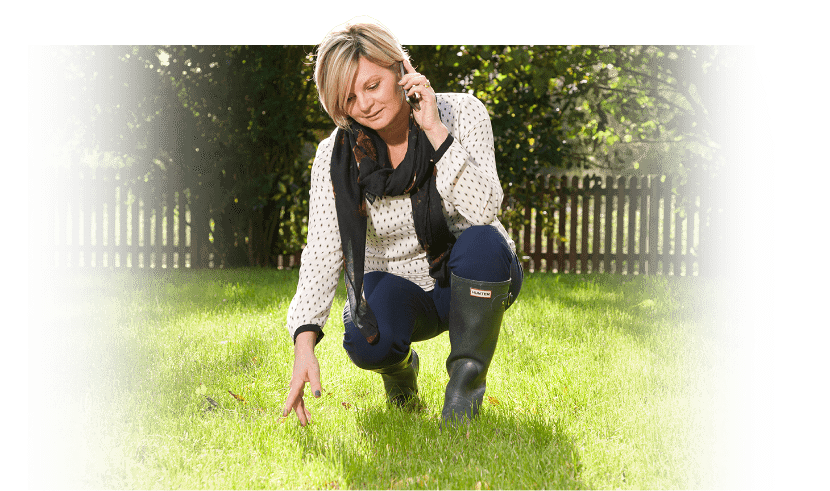
    Lady assesses lawn
    Request a Call back

    Enter your details below to request a call back from us.