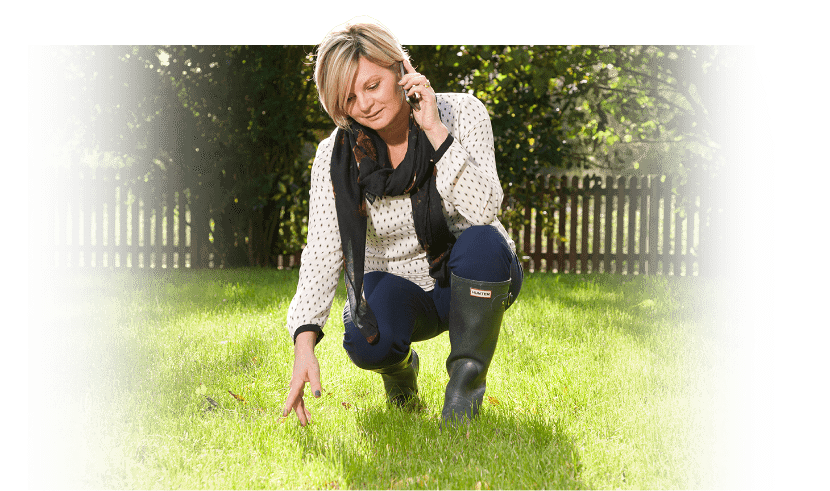
How to Fix Yellow Patches From Garden Furniture 2026

Yellow patches under garden furniture and around swimming pools turn up in almost every UK garden by midsummer, and both causes are fixable within two to three weeks once you deal with what is actually starving the grass underneath.

TL;DR
  • Furniture legs block light and trap moisture, killing grass in as little as 10-14 days – rotate seating weekly.
  • Chlorinated splash from pool surrounds scorches blades on contact – rinse with fresh water within the hour.
  • Compacted soil under tables and loungers stops water reaching roots, so feed and seed will not take until you aerate.
  • Lawnscience treats the nutrient gap once the physical cause is removed, not before.

Why this matters

A yellow patch under a chair or a bleached ring around a pool surround is not disease, and it is not usually a sign your whole lawn is in trouble. It is almost always light deprivation, chemical contact, or soil compaction acting on one small area.

Treating it like a nutrient problem first, without fixing the physical cause, wastes a feed application and delays recovery by weeks. The Lawnscience approach to nutrient deficient yellowing lawns works once you have already moved the furniture and rinsed off any chlorine residue, but not as a first move on its own.

The good news for 2026: this is one of the few lawn problems where the fix costs almost nothing and the cause is sitting right in front of you.

What you'll need

  • A garden hose or watering can with fresh water
  • A soil pH testing kit
  • A garden fork or hollow-tine aerator
  • Grass seed matched to your existing lawn type
  • A balanced or nitrogen-leaning lawn feed
  • 30-45 minutes for the initial fix, then five minutes a week through the season

The steps

1. Move the furniture off the patch immediately

Grass under a table or lounger gets no direct sunlight, and without light it cannot photosynthesise, so blades yellow and thin within roughly 10-14 days of continuous cover. Shift chairs, tables and loungers to a new spot on the lawn, or onto a hard surface, as soon as you spot discolouration.

Expected outcome: colour starts returning within a week if the grass is stressed rather than dead. Common mistake: leaving furniture in exactly the same footprint all season, which is the single biggest cause of permanent bare rings by autumn 2026.

2. Check the ground under the legs for compaction

Press a garden fork into the patch. If it goes in easily, compaction is not your problem; if it barely penetrates, the soil has been pressed down by repeated weight and water can no longer soak through.

Compaction shows up most in smaller gardens where the same four legs sit in the same four spots for months. This check tells you whether you can go straight to reseeding or need to open the soil first.

3. Rinse pool splash off the surrounding turf

Chlorinated and salt-treated pool water scorches grass blades on contact, leaving a bleached, straw-coloured ring rather than a soft yellow. Hose the affected grass with fresh water as soon as you notice splash-back, ideally within an hour, so the chemical is diluted before it sits on the leaf surface.

Repeat after every swim session through summer instead of waiting until the ring is established. Lawnscience's advice for gardens with swimming pools and pool surrounds covers lawns where this happens weekly.

4. Test the soil pH near the pool and furniture area

Grass takes up nutrients best in a soil pH range of roughly 6.0 to 7.0, and repeated pool chemical contact can shift the soil outside that band over a season. A simple kit gives you a reading in minutes.

Why it matters: if pH is off, feeding does nothing. Common mistake: skipping this and reseeding the same patch three times.

5. Aerate any compacted ground before you do anything else

Push a fork in every 10-15cm across the patch, rocking it gently to open channels for air and water, or run a hollow-tine aerator over larger furniture footprints. This is what makes feed and seed work rather than sit on hardened ground.

Expected outcome: water soaks in rather than pooling on the surface. Skip aeration and you will repeat this whole job in four to six weeks.

6. Overseed the thinned or bare patch

Scatter grass seed at the rate stated on the pack, rake it lightly into the aerated soil, and keep the area moist for the first two to three weeks while it germinates. Early-to-mid autumn 2026 and spring both give reliable soil temperatures for germination across most of the UK.

Common mistake: watering heavily twice a week instead of lightly every day. Seed in a small isolated patch dries out faster than the lawn around it.

7. Feed once new growth is visible, not before

Apply a balanced lawn feed after green shoots come through, not immediately after seeding, since feed on bare soil mostly washes away or burns tender new roots. A nitrogen-leaning product helps the recovering patch match the colour of the surrounding lawn faster.

This is the point where professional treatment earns its keep in 2026, because the physical causes have been dealt with and the feed goes to work on the real deficiency.

Get your yellow patches sorted properly

A local Lawnscience treatment plan fixes the cause, not just the colour.

Troubleshooting

Patch still yellow after three weeks of moving furniture. The grass is probably dead rather than dormant. Scratch the surface with a fork; if roots come away with no resistance, it needs full reseeding, not more waiting.

A new yellow ring appears where furniture was not before. You have moved the same problem to a fresh spot. Rotate seating across at least three positions through the season rather than two.

Grass by the pool bleaching white rather than yellow. That is chemical concentration, not light loss. Increase rinse frequency and check your pool's chlorine dosing is not running higher than it needs to.

Moss creeping into the recovered patch. Damp, shaded ground under furniture is prime moss territory once grass thins out. Deal with the moss before reseeding or it will out-compete the new grass again.

Seed not germinating after two weeks. Check soil moisture daily rather than occasionally. Patchy watering is the most common reason overseeding fails in a small, isolated area.

The whole lawn is yellowing, not just the patches. That is a different problem. Uniform yellowing points to a nutrient or disease issue rather than anything to do with furniture or pool water.

Tools and resources

  • Garden fork or hollow-tine aerator for the compaction check and the aeration step
  • A pH testing kit, used before you feed anything
  • Fresh grass seed matched to your existing lawn type
  • A hose kept within reach for same-day chlorine rinsing through summer 2026
  • A balanced lawn feed, timed to new growth rather than to a date on the calendar
  • Lawnscience's guide on when to aerate your lawn if you are unsure whether the ground needs opening up

What to do next

Once the patch has recovered and the furniture is rotating properly, treat any remaining bare or thin ground as its own small project. If more than one area needs attention this year, the Lawnscience guide to lawn repair for bare and thin patches covers the wider reseeding process.

FAQ

What causes yellow patches under garden furniture?

Yellow patches under garden furniture are caused by light deprivation and, in many cases, soil compaction from the legs. Grass starved of direct sunlight for 10-14 days thins and yellows with no disease involved.

How do you fix yellow grass around a swimming pool?

Rinse the affected turf with fresh water as soon as you spot splash-back, ideally within an hour, so chlorine is diluted before it scorches the blades. Test the soil pH afterwards, since repeated chemical contact can shift it outside the 6.0 to 7.0 range grass prefers.

How long does grass take to recover after furniture is removed?

Grass that is yellowed rather than dead usually greens back up within two to three weeks once it gets direct light again. Fully bare patches need reseeding and take four to six weeks to fill in.

Does chlorine kill grass permanently?

No. Chlorine from pool splash scorches the leaf surface rather than killing the root system in most cases. Rinsing after each swim stops the damage building into a bare patch.

Should you feed the lawn or reseed the patch first?

Reseed first, then feed once new shoots are visible. Feeding bare soil before germination usually washes away or scorches the tender new roots.

How often should you move garden furniture to protect the lawn?

Rotate furniture at least once a week during the growing season, using three or more positions across the summer. Leaving chairs and tables in one fixed spot all season is what creates permanent bare rings.

What is the best time of year to fix yellow lawn patches in the UK?

Early-to-mid autumn and spring give the most reliable soil temperatures for seed germination across most of the UK. Summer repairs work too, but need daily watering to stop new seed drying out.

Is professional lawn treatment worth it for pool-adjacent patches?

It is worth it once the physical causes, splash-back and compaction, have been addressed, because the feed then targets the real nutrient gap. Applying treatment before fixing those causes just delays recovery.

One last thing

The patch that looks worst in July, the bleached ring right at the pool's edge, is usually the fastest one to fix, because chemical scorch heals quicker than compaction damage hiding under a permanently placed table. Deal with the furniture footprint first, even though it looks less dramatic, and the pool ring often clears with nothing more than regular rinsing.

Related guides

Checkout our latest FREE Guides

Fix yellow patches from garden furniture and pools in 2026: move furniture, rinse chlorine, aerate, overseed, then feed. Step-by-step UK lawn repair guide.
Best lawn treatment for property management companies in 2026, ranked by site type and contract fit — five programmes compared, from Lawnscience.
The best lawn treatment for hay fever sufferers in 2026 ranked: weed control, mowing height and organic options compared, with clear buy or skip verdicts.
Lawn treatment for hotel grounds in 2026: which programmes suit wedding venues, boutique hotels and standard guest lawns, and what to skip.
How to protect new turf from birds in 2026: netting mesh size, watering schedule and a 10-14 day rooting window that stops damage before it starts.
Lawn treatment for football posts in garden: overseed at 35g/m2, aerate to 8-10cm twice a year. The 2026 verdict on what fixes goalmouth wear.
Lawn care for gardens with fire pits and outdoor kitchens: fix scorch, compaction and wear zones. 2026 buying guide with clear verdicts from Lawnscience.

Checkout our latest FREE Guides

Fix yellow patches from garden furniture and pools in 2026: move furniture, rinse chlorine, aerate, overseed, then feed. Step-by-step UK lawn repair guide.
Best lawn treatment for property management companies in 2026, ranked by site type and contract fit — five programmes compared, from Lawnscience.
The best lawn treatment for hay fever sufferers in 2026 ranked: weed control, mowing height and organic options compared, with clear buy or skip verdicts.
Lawn treatment for hotel grounds in 2026: which programmes suit wedding venues, boutique hotels and standard guest lawns, and what to skip.
How to protect new turf from birds in 2026: netting mesh size, watering schedule and a 10-14 day rooting window that stops damage before it starts.
Lawn treatment for football posts in garden: overseed at 35g/m2, aerate to 8-10cm twice a year. The 2026 verdict on what fixes goalmouth wear.
Lawn care for gardens with fire pits and outdoor kitchens: fix scorch, compaction and wear zones. 2026 buying guide with clear verdicts from Lawnscience.
Request a Call back

Enter your details below to request a call back from us.

    Owning and running my Lawnscience Franchise is the best career move that I have ever made, and I wish I had done it 10 years ago! Nigel Bishop
    These are the questions that our customers ask most frequently.
    What our clients say...
    Felt sure the only remedy for our new house builder's lawn was to rip it up and start again! Lawnscience showed us other potential less drastic options and has made them a reality. Glad we consulted Lawnscience then, and very happy to continue to use…
    Mr Kenward
    What our clients say...
    Really friendly and knowledgeable team. My lawn was full of moss and weeds. Now It looks like a lawn should do. Green, lush and healthy.
    Trevor Dealey
    What our clients say...
    Lawnscience are always prompt and helped me keep on top of treatments for a newly laid lawn. Certainly takes the hassle away of burning grass etc when trying to add treatments yourself. Very good value for money. Nice guy.
    Mr Hamilton
    What our clients say...
    1st class service. Very knowledgeable on lawn care and how to improve our garden. Provided a course of action and a timetable to work to keep expectations high. Grass scarified and reseeded with great results
    Mr Murray
    What our clients say...
    Lawnscience provide a service of feeding the grass and killing the weeds and moss that are in all lawns. The treatment varies depending on the time of year. By using Lawnscience a minimum of four times a year our lawns have shown a vast improvement.
    Mr Knight
    Lady assesses lawn
    Request a Call back

    Enter your details below to request a call back from us.