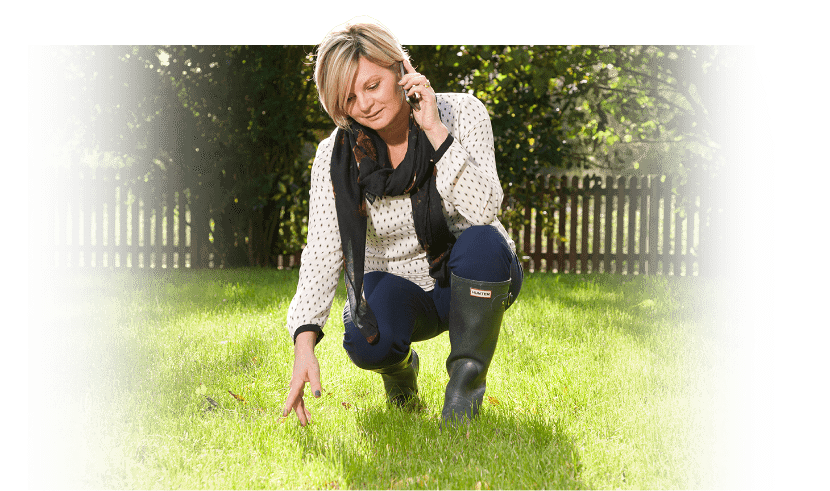
How to Repair Tyre Tracks in Your Lawn (2026 Guide)

Tyre tracks and ruts don't need reseeding from scratch in most cases: firm the soil back into shape, loosen the compacted surface, then overseed the damaged strip and keep it watered until new growth knits in. The part homeowners miss is the compaction sitting under the visible track, which stops water and air reaching the roots long after the surface looks level again.

TL;DR
  • Repair tyre tracks in your lawn by levelling the soil, aerating the compacted strip, then overseeding and watering for 2-3 weeks.
  • Shallow ruts from one-off parking recover with topdressing and seed; deep ruts need soil replacement before you reseed anything.
  • Compaction under the track, not the flattened grass itself, is what stops the lawn healing on its own.
  • Lawnscience treats compacted and rutted lawns with aeration and overseeding rather than a quick patch job.

Why this matters

A rutted lawn isn't just cosmetic. Compressed soil under a tyre track loses the air pockets roots need, so grass either stops growing in that strip or grows thin and pale compared to the lawn around it. Leave it through a wet UK winter and the rut becomes a channel that holds water, which invites moss and encourages the edges to slump further. Sort it in the first few weeks after the damage and you're dealing with a cosmetic fix; leave it until spring 2026 and you're often looking at a full repair job.

If the damage came from a delivery van, a trailer, or a caravan parked on the grass, the fix is the same process whether it happened once or it's a recurring problem. For lawns that take repeated vehicle traffic, it's worth reading how to protect your lawn from vehicle and trailer damage so you're not repairing the same strip every few months.

How do you repair tyre tracks in your lawn?

Work through these steps in order, and don't skip the aeration step even if the surface looks flat again after raking.

  1. Assess the depth. Push a garden fork into the rut. If it goes in easily and the soil springs back, you're dealing with surface compaction. If the fork meets solid, compacted resistance, the soil structure itself has been damaged.
  2. Level the surface. Use a rake or the back of a fork to break up any raised or torn edges along the track, pulling loose soil back into the low point.
  3. Aerate the strip. Spike or core the compacted area to open channels for air, water and new roots. This is the step that determines whether the repair actually holds.
  4. Topdress lightly. A thin layer of sandy loam or lawn topdressing fills in low spots without smothering existing grass at the edges of the track.
  5. Overseed the damaged area. Spread grass seed suited to the rest of your lawn directly over the topdressing, then rake it in gently so seed makes contact with soil.
  6. Water and protect. Keep the area consistently damp (not waterlogged) for the first two to three weeks and keep foot traffic and mowers off it until the new grass is established.

Shallow ruts vs deep ruts: which repair method applies

Rut type What it looks like Repair approach Verdict
Shallow (surface only) Flattened grass, soil intact underneath, no standing water Aerate, topdress, overseed Repair yourself
Deep (soil displaced) Torn turf, visible ridge or channel, water pools in the track Remove damaged turf, refill and firm soil, then topdress and overseed Call in professional help if it covers a large area

Shallow tyre tracks recover in weeks with aeration and overseeding; deep ruts with torn soil need the ground rebuilt before any seed goes down. That's the line that decides whether this is a Saturday-afternoon job or one that needs a proper lawn repair visit.

Deep ruts: when the soil itself needs rebuilding

Once a fork tells you the soil structure is broken rather than just compressed, raking and reseeding on top won't hold. You need to lift any torn turf, break up the compacted base underneath with a fork or aerator, refill low points with topsoil, and firm it down before topdressing and seeding. Skipping the soil-rebuild step is the most common reason a repaired rut reappears after the next heavy rain.

For lawns with wider bare or thin patches left behind after vehicle damage, the process overlaps with general lawn repair for bare and thin patches — the seed bed preparation is identical, you're just working around the shape of the track rather than a circular patch.

Why tyre track damage varies so much

Not every rut behaves the same, and the drivers below explain why two tracks on the same lawn can need completely different repairs.

  • Soil type — clay holds a rut and compacts hard; sandy soil springs back faster but drains the repair area quicker too.
  • Moisture at the time of damage — driving on a wet lawn tears and displaces soil; the same vehicle on a dry lawn mostly just flattens the grass.
  • Weight and repetition — a single car parked once causes surface compaction; a loaded trailer or repeated deliveries over the same line cause structural damage.
  • Grass type and season — cool-season grasses recover faster in spring and autumn 2026 than in the middle of a hot, dry summer.
  • Existing compaction — a lawn that's already due for aeration takes vehicle damage harder because the soil had no spare capacity to begin with.
  • How quickly it's treated — a track left untreated through winter compounds into the drainage and moss problems described in the aeration guide below.

If you're not sure whether the wider lawn is due a proper aeration pass rather than a one-off repair, how to know when to aerate your lawn covers the signs to check for before you commit to DIY spiking.

Get a lawn repair assessment

Lawnscience can assess compaction and rebuild damaged turf as part of a treatment visit.

Will grass grow back over tyre tracks on its own?

Grass sometimes grows back over shallow tyre tracks on its own, but only if the soil underneath wasn't structurally compacted and the lawn gets normal rain and mowing over the following season. Deep ruts with displaced soil rarely self-repair — the compaction blocks root growth even after the surface looks flat again, so the thin strip usually reappears every time you mow.

How long does it take a lawn to recover from tyre tracks?

A shallow tyre track recovers in as little as two to three weeks once you've aerated, topdressed and overseeded it, assuming consistent watering and mild weather. A deep rut that needed soil rebuilding takes longer because the new seed is starting from bare ground rather than filling in around existing grass.

Can you drive on a lawn without damaging it?

Yes, but only briefly and only when the ground is dry — a single pass on firm, dry soil causes far less damage than the same vehicle on wet or recently-watered turf. Repeated parking on the same line, regardless of soil moisture, is what turns a flattened patch into a structural rut.

FAQ

How do you fix ruts in your lawn from a car?

Fix car ruts by loosening the compacted soil with a fork or aerator, topdressing the low point, then overseeding and watering for two to three weeks. Deep ruts with torn turf need the soil rebuilt before you seed.

Do I need to reseed after repairing a tyre track?

Yes, reseeding is almost always necessary because the grass along a rut is either killed or badly stressed by compaction. Topdressing without seed just fills the hole; it doesn’t bring the grass back.

Can you just fill in a lawn rut with topsoil?

Filling with topsoil alone works for very shallow surface marks but does nothing for compaction underneath a deeper rut. Aerate first, then topdress, or the repair sinks again after rain.

What causes ruts in a lawn?

Ruts form when a vehicle’s weight compresses or displaces soil, most commonly from cars, trailers, caravans or delivery vans parked on wet or already-compacted ground. Repeated parking on the same line is the most common cause of deep, lasting damage.

Is it better to repair tyre tracks in spring or autumn?

Autumn and spring 2026 are both better than summer for repairing tyre tracks because cool-season grass seed germinates faster in mild, moist conditions. Summer repairs need far more watering to stop new seed drying out.

Should I aerate the whole lawn or just the rut?

Aerate at minimum the rutted strip plus a border around it, since compaction spreads beyond the visible track. If the rest of the lawn is also due, check how to know when to aerate your lawn before treating just one section.

Will grass seed grow in compacted soil?

Grass seed struggles in compacted soil because roots can’t push down for water and nutrients, which is why aeration always comes before overseeding in a proper rut repair. Seed scattered on top of untreated compaction germinates poorly or not at all.

One last thing

The repair that fails most often isn't the one done wrong — it's the one done on schedule but on ground that was never actually decompacted. Raking, topdressing and reseeding over a rut without aerating first gives you three or four good-looking weeks before the same low, thin strip reappears, because the soil underneath still can't hold air or water properly. If a track keeps coming back in the same spot no matter how many times you reseed it, that's compaction talking, not a seed problem.

Related guides

Checkout our latest FREE Guides

Lawn care for gardens with heavy leaf fall in 2026: clearing schedules, mowing timing and disease checks that stop leaf litter from wrecking your grass.
Lawn care for gardens with cat runs in 2026: fix compacted patrol strips, urine scorch and shaded patches with a proven treatment plan from Lawnscience.
How to repair tyre tracks in lawn: level, aerate, topdress and overseed. Shallow ruts heal in weeks; deep ruts need soil rebuilt first. Full 2026 steps inside.
Lawn care for gardens backing onto woodland in 2026: fix shade, moss, leaf litter and wildlife damage with the right seed, feed and treatment schedule.
Lawn care for gardens with fruit trees in 2026: feed, aerate and overseed the shaded root zone right with Lawnscience's step-by-step orchard lawn plan.
Best lawn treatment for outdoor fitness class gardens in 2026: aeration, overseeding and a full programme ranked with pros, cons and verdicts.
The best lawn treatment for dog boarding kennels in 2026 pairs a dedicated dog-run programme with urine patch fixes and safe reentry scheduling.

Checkout our latest FREE Guides

Lawn care for gardens with heavy leaf fall in 2026: clearing schedules, mowing timing and disease checks that stop leaf litter from wrecking your grass.
Lawn care for gardens with cat runs in 2026: fix compacted patrol strips, urine scorch and shaded patches with a proven treatment plan from Lawnscience.
How to repair tyre tracks in lawn: level, aerate, topdress and overseed. Shallow ruts heal in weeks; deep ruts need soil rebuilt first. Full 2026 steps inside.
Lawn care for gardens backing onto woodland in 2026: fix shade, moss, leaf litter and wildlife damage with the right seed, feed and treatment schedule.
Lawn care for gardens with fruit trees in 2026: feed, aerate and overseed the shaded root zone right with Lawnscience's step-by-step orchard lawn plan.
Best lawn treatment for outdoor fitness class gardens in 2026: aeration, overseeding and a full programme ranked with pros, cons and verdicts.
The best lawn treatment for dog boarding kennels in 2026 pairs a dedicated dog-run programme with urine patch fixes and safe reentry scheduling.
Request a Call back

Enter your details below to request a call back from us.

    Owning and running my Lawnscience Franchise is the best career move that I have ever made, and I wish I had done it 10 years ago! Nigel Bishop
    These are the questions that our customers ask most frequently.
    What our clients say...
    Felt sure the only remedy for our new house builder's lawn was to rip it up and start again! Lawnscience showed us other potential less drastic options and has made them a reality. Glad we consulted Lawnscience then, and very happy to continue to use…
    Mr Kenward
    What our clients say...
    Really friendly and knowledgeable team. My lawn was full of moss and weeds. Now It looks like a lawn should do. Green, lush and healthy.
    Trevor Dealey
    What our clients say...
    Lawnscience are always prompt and helped me keep on top of treatments for a newly laid lawn. Certainly takes the hassle away of burning grass etc when trying to add treatments yourself. Very good value for money. Nice guy.
    Mr Hamilton
    What our clients say...
    1st class service. Very knowledgeable on lawn care and how to improve our garden. Provided a course of action and a timetable to work to keep expectations high. Grass scarified and reseeded with great results
    Mr Murray
    What our clients say...
    Lawnscience provide a service of feeding the grass and killing the weeds and moss that are in all lawns. The treatment varies depending on the time of year. By using Lawnscience a minimum of four times a year our lawns have shown a vast improvement.
    Mr Knight
    Lady assesses lawn
    Request a Call back

    Enter your details below to request a call back from us.